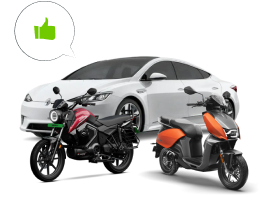
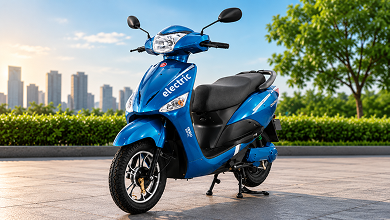
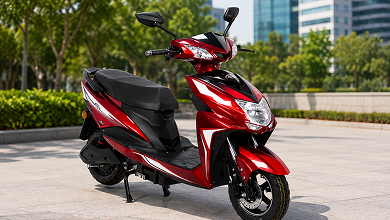
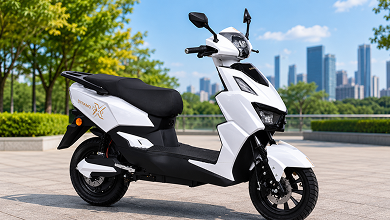
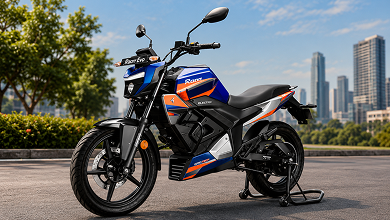
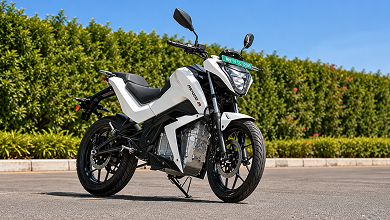
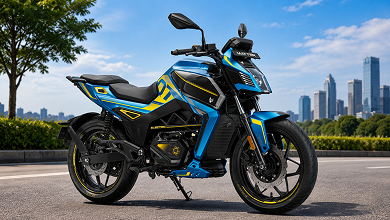
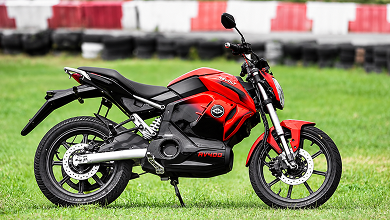
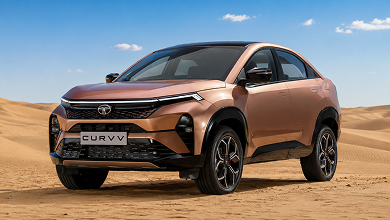
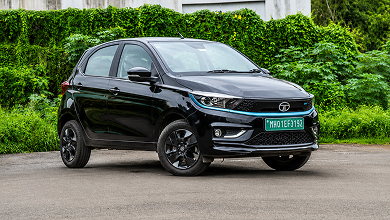

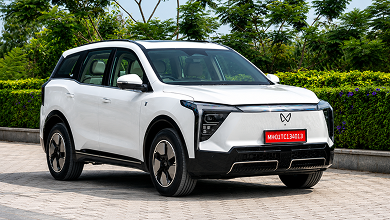
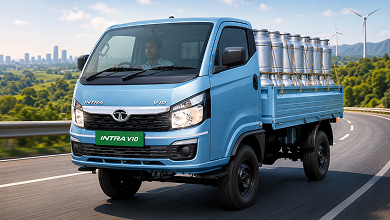
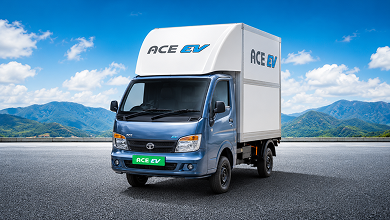
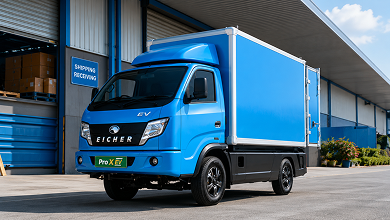
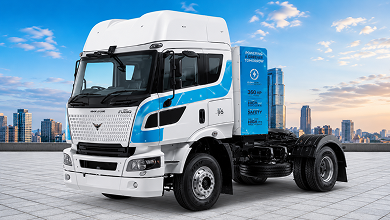
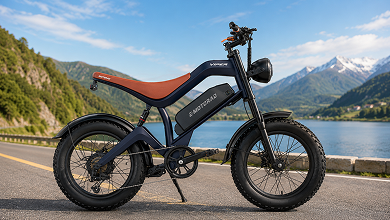
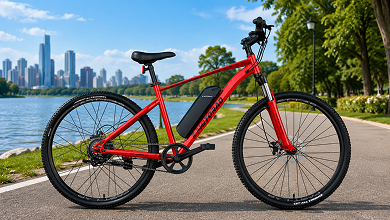


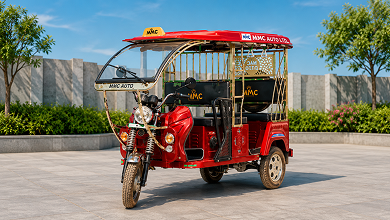
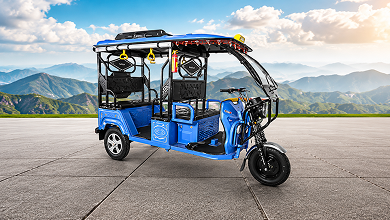
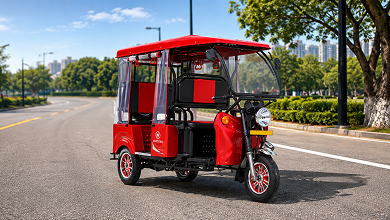
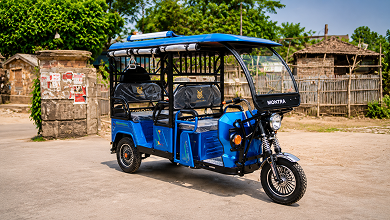
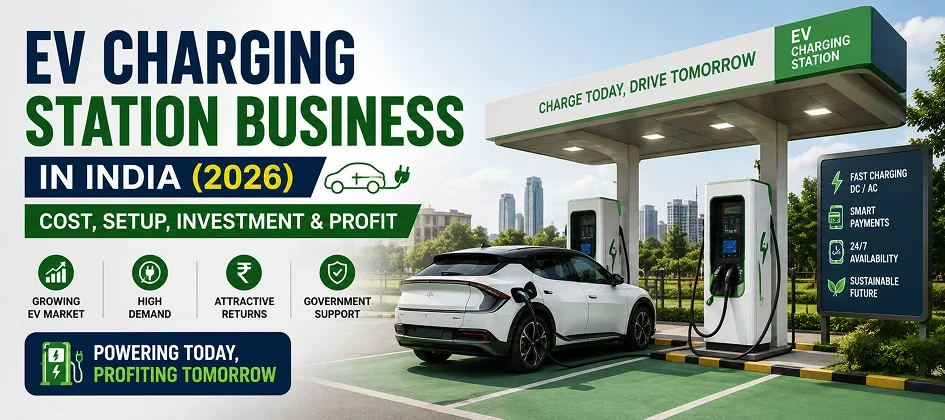
India is undergoing a quiet transformation on its roads. Whether you are walking through the high-density tech hubs of Bengaluru and Gurugram, driving down the Delhi-Mumbai Motorway, or visiting tier-2 and tier-3 towns across Gujarat, Maharashtra, and Tamil Nadu, electric vehicles (EVs) are no longer a rare sight. Electric two-wheelers, passenger cars, commercial three-wheelers, and last-mile delivery vans have shifted from early adoption into mainstream commercial use.
This mass migration toward electric mobility has created a critical commercial demand: accessible, fast, and reliable charging infrastructure.
For entrepreneurs, landowners, fleet operators, and retail business owners, starting an EV charging station business in India represents one of the most promising infrastructure-backed opportunities of this decade. However, building a sustainable EV charging business requires a grounded understanding of capital expenditure, DISCOM power allocations, site selection, hardware technology, and realistic payback periods.
This detailed guide breaks down everything you need to know about setting up an EV charging station business in India, including actual setup costs, land requirements, power infrastructure, revenue models, government policies, and profitability calculations.
An EV charging business India model operates as a commercial energy retail venture. Similar to how traditional petrol pumps sell liquid fuel per litre, a public or commercial EV charging station sells electrical energy measured in kilowatt-hours (kWh) or units to electric vehicle drivers.
When an EV owner plugs into your charging point, electricity flows from the grid through a charge point management system (CPMS) into the vehicle's battery pack. The vehicle owner pays for the electrical energy consumed plus a service fee using a smartphone app, RFID card, or direct digital payment.
As a station owner, your earnings are generated from the margin between the wholesale electricity tariff you pay to your state distribution company (DISCOM) and the retail charging tariff you bill to the EV user. Beyond selling power, charging station sites frequently generate secondary revenue through retail concessions, quick-service restaurants (QSRs), advertising screens, and fleet charging contracts.
The demand for EV charging infrastructure across urban hubs and national highways is accelerating due to five major structural drivers:
Surging Vehicle Adoption: EV sales across two-wheeler, three-wheeler, and four-wheeler passenger segments have reached historic highs. High sales of electric cars like the Tata Nexon EV, Punch EV, MG Windsor, and Hyundai Creta EV, alongside expanding commercial fleets, mean thousands of new battery packs require daily power replenishment.
Expanded Daily Mileage: Commercial fleets, including ride-hailing taxis, dark-store grocery delivery vehicles, and e-commerce logistics vans, run between 120 km and 250 km daily. These commercial users cannot rely exclusively on overnight home charging and require midday DC fast-charging top-ups to maintain operations.
Reduction in Range Anxiety: Private car owners are increasingly taking their electric vehicles on intercity trips along major motorways. Reliable highway charging plazas are essential for enabling long-distance travel across corridors like Mumbai–Pune, Bengaluru–Chennai, and Delhi–Jaipur.
Regulatory Deregulation: Under the Ministry of Power (MoP) consolidated guidelines, operating an EV charging station has been officially classified as an unlicensed activity. Any individual, enterprise, or community association can install and operate a charging station without needing a dedicated electricity distribution licence, provided they meet basic technical and safety standards.
Targeted Government Funding: Public funding programmes, including the Central Government’s PM E-DRIVE scheme (with a dedicated INR 2,000 crore allocation for public charging infrastructure), are co-funding upstream grid connections, transformer installations, and charging equipment deployments across key corridors and metropolitan areas.
Yes, an EV charging station business in India can be profitable, but profitability depends heavily on site selection, daily charger utilisation, and controlling initial grid connection costs.
Charging infrastructure is an asset-heavy, capital-intensive infrastructure business rather than a quick-margin venture. Stations located in high-traffic corridors that achieve steady daily utilization generally cover their operational overheads and achieve positive cash flows within 2.5 to 4 years. Conversely, stations installed in low-density locations with poor footfall or low commercial traffic struggle with long payback horizons due to ongoing fixed grid demand charges.
Understanding the math behind your margin is straightforward:
Purchase Price: You purchase electricity from your local DISCOM under a dedicated EV tariff (typically INR 6.00 to INR 9.00 per kWh depending on your state).
Sale Price: You sell power to EV users at market rates (typically INR 12.00 to INR 16.00 per kWh for AC charging, and INR 18.00 to INR 24.00 per kWh for DC fast charging).
Gross Margin: This yields a gross spread of INR 5.00 to INR 12.00 per unit sold, which covers software platform fees, grid demand charges, land lease payments, routine maintenance, and net profit.
Choosing the correct equipment mix is the most critical decision when planning your EV charger business. Chargers are categorised by their current type (AC vs. DC), power output (kW), charging speed, and target vehicle segment.
| Charger Category | Power Output | Current Standard | Typical Charge Time | Recommended Vehicle Category | Ideal Setup Location |
| Light AC Charger | 3.3 kW – 7.4 kW | Single-Phase / 3-Phase AC | 4 to 8 Hours | Electric 2-Wheelers, 3-Wheelers, Light Cars | Residential apartments, office parking, long-stay parking |
| Commercial AC Fast Charger | 11 kW – 22 kW | 3-Phase AC (Type 2) | 2 to 4 Hours | Electric Cars (with onboard 11/22kW chargers), Commercial Fleets | Shopping malls, hotels, office parks, gym complexes |
| Compact DC Fast Charger | 30 kW – 60 kW | DC Fast (CCS2 / GB/T) | 45 to 90 Minutes | Passenger Electric Cars, Fleet Taxis, Commercial Mini Trucks | Urban fuel stations, retail hubs, commercial parking lots |
| Ultra-Fast DC Charger | 120 kW – 240 kW+ | Dual CCS2 Heavy DC | 15 to 30 Minutes | High-Capacity Passenger EVs, Electric Buses, Heavy Trucks | National Highways, expressways, logistics hubs, bus depots |
Launching a commercial charging facility requires systematic planning across site evaluation, regulatory filings, electrical engineering, and commercial launch:
Select a site with clear access, adequate turning radius, high visibility, and structural stability. Ensure the site owner holds clear land titles or is open to a long-term lease agreement (typically 5 to 10 years).
Contact your regional electricity distribution company (e.g., Tata Power Delhi, MSEDCL in Maharashtra, BESCOM in Karnataka, or Torrent Power/UGVCL in Gujarat) to check local grid capacity. Apply for a dedicated commercial EV connection with the necessary sanctioned load (in kW or kVA).
Decide whether to operate as an independent Charge Point Operator (CPO) using open-protocol hardware or partner with established EV charging franchise networks.
Execute required civil engineering works (concrete pads, cable trenching, canopies, and lighting) and install certified charging cabinets alongside protective switchgear, isolators, and fire suppression systems.
Connect your hardware to a Charge Point Management System (CPMS) via Open Charge Point Protocol (OCPP 1.6J or OCPP 2.0.1). Set up automated billing, live charger status tracking, and mobile app integration for end-users.
Obtain electrical safety clearances from the State Electrical Inspectorate (CEIG), conduct load testing, and go live on public charging aggregator platforms.
Setting up a robust charging station requires coordinating three primary physical assets: land, power, and charging equipment.
Urban AC/DC Station: Needs approximately 300 to 600 sq. ft. of flat, clear land to accommodate 2 to 4 vehicle parking bays, hardware cabinets, and distribution panels comfortably.
Highway Charging Plaza: Requires 1,200 to 3,000+ sq. ft to allow smooth entry/exit lanes, turning space for larger vehicles, multiple fast-charging bays, and driver amenities (washrooms, seating, food stalls).
Clearances: Must feature a minimum 1.5-metre clearance around DC fast-charging cabinets for ventilation, maintenance access, and cable manoeuvrability.
Sanctioned Electrical Load: A station featuring one 60kW dual-gun DC fast charger and one 22kW AC charger requires a sanctioned grid load of approximately 90 kW to 100 kVA.
Upstream Infrastructure: Depending on the distance to the nearest DISCOM feeder, you may need to install a dedicated distribution transformer (100 kVA to 250 kVA), high tension (HT) or low tension (LT) supply cables, a ring main unit (RMU), and main distribution panels.
Grounding & Safety: Standard installations require dedicated chemical earthing pits, lightning arresters (LA), residual current circuit breakers (RCCB), and isolation transformers to protect against voltage spikes.
Charging Hardware: ARAI or CE-certified commercial charging units equipped with weather protection (IP54 to IP65 ratings for outdoor conditions).
Charge Point Management System (CPMS): Cloud-based software that manages real-time session tracking, dynamic tariff management, remote diagnostics, and automated payment settlement via UPI, credit cards, or wallet systems.
Customer Amenities: Weatherproof canopies, bright LED night illumination, CCTV surveillance cameras, clear directional signage, and digital display screens.
Understanding your EV charging station cost structure requires separating one-time capital expenditures (CapEx) from ongoing operational costs (OpEx).
| Expense Category | Item Description | Estimated Cost Range (INR) |
| Hardware | 60 kW Dual-Gun CCS2 DC Fast Charger Cabinet | INR 650,000 – INR 950,000 |
| Grid & Power | Transformer (100 kVA), LT/HT Cables, Panel & Metering | INR 250,000 – INR 550,000 |
| Civil Works | Concrete bases, cable trenching, canopy, lighting, signage | INR 150,000 – INR 300,000 |
| Earthing & Safety | Chemical earthing, safety gear, fire extinguishers, RCCB | INR 50,000 – INR 100,000 |
| Software & Setup | CPMS setup fee, app onboarding, initial testing | INR 30,000 – INR 60,000 |
| Approvals & Legal | CEIG inspection fees, DISCOM processing charges, permits | INR 30,000 – INR 70,000 |
| Total Estimated CapEx | (Excluding land purchase or security deposits) | INR 1,160,000 – INR 2,030,000 |
Note: These financial figures represent industry estimates. Actual costs vary based on proximity to local electricity distribution infrastructure, site accessibility, and state-specific transformer norms.
Electricity Tariff Costs: Paid directly to the local DISCOM based on actual kWh consumed (billed monthly).
Fixed Demand Charges: Fixed monthly fee levied by DISCOMs per kVA of sanctioned load (typically INR 150 to INR 400 per kVA/month, though waived or heavily subsidised in select states for early EV deployments).
Site Rent / Lease: Ranges from INR 15,000/month for urban parking slots to INR 50,000+/month for prime highway forecourts. Revenue-share models (e.g., INR 1.50 to INR 3.00 per kWh sold given to the landowner) are increasingly replacing fixed lease payments.
Software Subscriptions & Network Fees: CPMS cloud management typically costs INR 1,000 to INR 3,000 per charger gun monthly, or 2% to 5% of gross session revenue.
Routine Maintenance & AMC: Annual Maintenance Contracts (AMC) after the warranty period usually run between 3% and 7% of total hardware cost annually.
To maximise your EV charging station profit, adopt a multi-stream monetisation strategy rather than relying strictly on electricity sales:
Direct Charging Margins: The core margin made on every kilowatt-hour transferred into a customer’s vehicle.
Idle / Overstay Fees: Billed on a per-minute basis when a driver leaves their fully charged vehicle parked at a fast charger, ensuring high turnover across bays.
Dedicated Fleet Contracts: Partnering with local delivery hubs, commercial EV taxi fleets, or e-commerce logistics operators to provide guaranteed night charging slots at negotiated commercial rates.
On-Site Ancillary Retail: Drivers spent 30 to 60 minutes waiting at DC fast chargers. Converting this dwell time into revenue via QSR franchises, coffee vending machines, convenience stores, or digital display advertising boosts total site margins.
Let us examine a practical financial projection for a commercial charging station equipped with one 60 kW dual-gun DC fast charger installed near a busy urban commercial district or highway feeder.
Sanctioned Load: 75 kVA
DISCOM Tariff: INR 7.50 / kWh
Retail Selling Price: INR 18.00 / kWh
Gross Spread: INR 10.50 / kWh
Daily Station Utilization: 5 Hours / Day (300 kWh delivered per day across both guns)
Monthly Energy Sales: 9,000 kWh / Month
Gross Monthly Energy Revenue (9,000 kWh x INR 18.00) : INR 162,000
Minus Electricity Cost (9,000 kWh x INR 7.50): -INR 67,500
--------------------------------------------------------------
Gross Operating Margin : INR 94,500
Less Fixed Monthly Expenses:
- DISCOM Fixed Demand Charges (~75 kVA): -INR 15,000
- Software Management & Payment Gateway Fee: -INR 5,000
- Site Rent / Landowner Revenue Share: -INR 20,000
- Maintenance Reserve & Miscellaneous: -INR 7,000
--------------------------------------------------------------
Net Estimated Monthly Pre-Tax Operating Profit: INR 47,500
Net Estimated Annual Operating Profit: INR 570,000
Total Initial Capital Setup Cost: ~INR 15,000,000
Estimated Annual Net Operating Profit: ~INR 570,000
Estimated Payback Horizon: Approximately 2.6 to 3.2 Years
Increasing station utilisation to 7 or 8 hours per day via fleet partnerships significantly shortens payback horizons to under 2 years.
Location selection directly determines charger utilisation and commercial success. Target these proven deployment spaces across Indian metropolitan centres and highways:
National Highways & Motorways: Key routes such as the Delhi–Agra Yamuna Motorway, Mumbai–Pune Motorway, Bengaluru–Mysuru Motorway, and NH-44 experience consistent long-distance passenger EV traffic requiring fast mid-trip replenishment.
Fuel Station Forecourts: Existing petrol pumps situated along busy urban arterial roads already offer excellent road visibility, secure access, and high drive-in traffic.
Commercial Malls & Shopping Hubs: Malls in major cities like Delhi-NCR, Bengaluru, Mumbai, Hyderabad, Pune, and Ahmedabad offer prolonged dwell times (2 to 4 hours), making them ideal for 22kW AC chargers and 30kW DC fast units.
Hotel & Resort Properties: Premium leisure destinations along popular tourist routes (e.g., Jaipur, Udaipur, Lonavala, Coorg, and Shimla) attract EV travellers who prefer convenient overnight charging facilities.
E-Commerce & Fleet Logistics Hubs: Industrial zones near warehousing centres (such as Bhiwandi near Mumbai, Manesar near Gurgaon, or Hoskote near Bengaluru) provide reliable, high-volume charging demand from commercial delivery vehicles.
While public retail charging traffic fluctuates based on travel habits, fleet charging provides predictable base revenue.
Last-mile delivery operators, postal services, corporate employee transport fleets, and ride-hailing platforms operate under tight delivery schedules. Partnering with fleet operators to offer dedicated charging slots, depot infrastructure, or guaranteed discounted off-peak tariffs provides your business with predictable cash flows.
A single fleet partner running 15 to 20 electric delivery vans or taxi units can consume 300 to 500 kWh daily, ensuring your station covers its fixed overhead costs regardless of foot traffic.
Setting up an EV charging station business in India is supported by clear policy guidelines established by central and state ministries:
Ministry of Power (MoP) Consolidated Guidelines: Confirms that setting up public EV charging stations is an unlicensed activity. Guidelines outline technical requirements, safety protocols, ceiling tariffs for DISCOM power supply, and land allocation principles for public entities.
PM E-DRIVE Scheme: The Central Government’s primary electric mobility initiative sets aside ₹2,000 crore specifically to co-fund the setup of public charging points, prioritizing high-density urban zones and key highway corridors.
State-Level EV Policies: Multiple state governments provide capital subsidies and tariff support:
Maharashtra: Offers capital subsidies for public DC fast chargers alongside concessional electricity tariffs.
Delhi: Provides simplified single-window clearances via DISCOM portals and subsidies for light EV charging points in semi-public spaces.
Tamil Nadu, Gujarat & Karnataka: Feature dedicated EV policy frameworks waiving or reducing electricity demand charges during the initial operational years of public charging stations.
Building a successful charging operation requires navigating several real-world operational challenges:
Underutilization Risk: Installing hardware in low-visibility or out-of-the-way locations results in low charging sessions, leaving the station unable to cover fixed DISCOM demand charges.
Upstream Electrical Upgrade Costs: If your chosen site sits far from a high-capacity DISCOM transformer, the cost of laying long HT cables and setting up dedicated transformers can dramatically increase upfront setup budgets.
Hardware Downtime: Outdoor commercial chargers exposed to heat, dust, and rainfall require active maintenance. Broken cables or offline payment modules damage user trust and hurt long-term app ratings.
Grid Tariff Fluctuation: Changes in state electricity tariffs or updates to demand charge waivers can erode operating margins if retail pricing is not adjusted accordingly.
To minimise capital risk and maximise long-term investment returns:
Match Charger to Dwell Time: Match charger output to how long vehicles naturally stay parked at the location.
Short stays (30–60 mins at fuel stations, highway stops): Install 60kW to 120kW DC fast chargers.
Medium-stay locations (2–4 hours at malls, cinema complexes, and office parks): Install 11kW to 22kW AC chargers or 30kW DC units.
Overnight stays (hotels, apartment complexes, and fleet depots): Install 3.3kW to 7.4kW light AC chargers.
Survey Existing Grid Capacity: Before signing a land lease, have an electrical contractor inspect the nearest DISCOM transformer and power lines to estimate upstream connection costs accurately.
Select Proven Hardware Partners: Choose charger manufacturers that provide reliable spare parts availability, open OCPP software compliance, and guaranteed local service response times within 24 to 48 hours.
Start with a Scalable Layout: Design your site civil works, cable trenches, and electrical distribution panels to support additional charging cabinets in the future without needing to re-excavate the site.
List Your Site on Aggregator Apps: Ensure your chargers appear across popular EV navigation platforms like Tata Power EZ Charge, PlugShare, Bolt.Earth, and ChargePoint to maximise driver discoverability.
Keep Upstream Upgrades Short: Select site locations situated close to existing distribution transformers to keep cable laying and infrastructure expenses low.
Maintain Clean, Safe Amenities: Bright overhead lighting, clear bay markings, functional canopies, and clean seating areas encourage repeat visits from private car owners and family travellers.
Starting an EV charging station business in India is a forward-looking infrastructure investment positioned directly at the centre of the country's transition to clean mobility. With clear Ministry of Power guidelines making charging an unlicensed activity, policy backing from central programmes like PM E-DRIVE, and growing adoption across private and commercial vehicle segments, the commercial foundation for charging operators is well established.
Success in this market requires careful planning rather than speculative investment. By securing high-traffic locations, auditing upstream electrical grid costs before leasing land, installing certified open-protocol hardware, and building recurring B2B fleet partnerships, investors can build profitable, long-term energy retail businesses.
If you are planning to enter the commercial EV charging market, start by identifying high-demand sites in your local area, consulting with your regional DISCOM regarding grid capacity, and comparing hardware options to build a reliable, future-proof charging facility.


Manage reminders, payment status, and renewal dates from one simple app.


Trusted by policyholders to track every renewal.