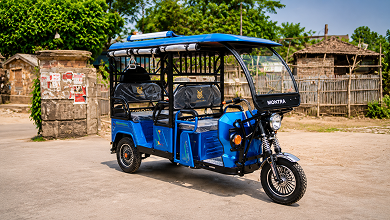
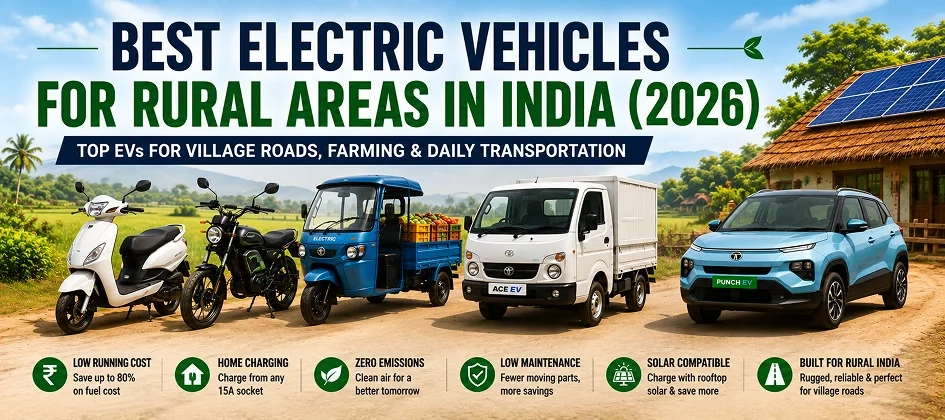
The rural transportation landscape across India is undergoing a quiet, practical transformation. Rising petrol and diesel prices hit farmers, small shopkeepers, and rural families hard on daily trips to regional mandis, weekly markets, and nearby towns. At the same time, traditional fuel supply lines in villages can be inconsistent, requiring long trips just to fill a tank.
Electric vehicles (EVs) offer a direct solution to these challenges. With the ability to charge using a standard 15-amp home socket and increasingly via rooftop solar panels, EVs reduce daily running costs from INR 3–INR 6 per kilometre down to under INR 0.50–INR 1.00 per kilometre.
However, village mobility presents unique demands: uneven unpaved roads, mud during monsoon seasons, heavy cargo loads of agricultural produce, and long distances between service hubs. This guide highlights the best electric vehicles built to handle rural Indian roads, farming requirements, and everyday transportation in 2026.
| Requirement | Top Vehicle Recommendation | Estimated Price (Ex-Showroom) | Key Rural Feature |
|---|---|---|---|
| Rough Road Commuting | River Indie / TVS iQube | INR 1.25 Lakh – INR 1.38 Lakh | High ground clearance, heavy-duty suspension, dual utility racks |
| Budget Daily Commute | Hero Electric / Yulu / Ola S1 X | INR 65,000 – INR 89,000 | Lightweight, low running cost, removable battery options |
| Farm Produce Transport (3W) | Mahindra Zor Grand / Piaggio Ape E-Xtra | INR 3.20 Lakh – INR 4.12 Lakh | High torque, open load bed for milk/vegetable crates |
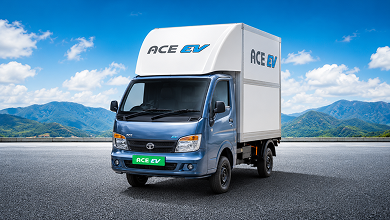
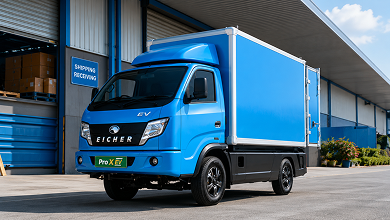
| Heavy Cargo & Fleet Logistics | Tata Ace EV / Mahindra Zeo | INR 6.50 Lakh – INR 7.88 Lakh | 750+ kg payload, steel chassis, leaf spring suspension |
| Agricultural Fieldwork | Sonalika Tiger EV / Montra E-27 | INR 5.77 Lakh – INR 10.81 Lakh | Zero-fuel tilling, silent field operation, high drawbar torque |
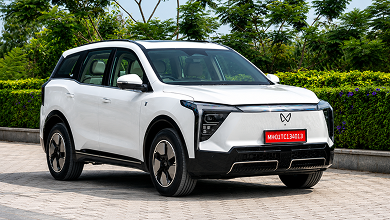
| Rural Family Passenger Car | Tata Punch EV / Tata Tiago EV | INR 6.99 Lakh – INR 9.69 Lakh | 190 mm ground clearance, rugged build, reliable service network |
Rural adoption of EVs is driven by core financial and practical advantages rather than mere environmental trends:
Substantial Fuel Savings: A farmer travelling 30 km daily on a diesel or petrol two-wheeler spends INR 2,500–INR 3,500 monthly on fuel. An electric two-wheeler covers that same distance for less than INR 300 in electricity.
Simplified Home Charging: Almost every rural household has access to a standard single-phase 15-amp power socket used for water pumps or appliances. EVs eliminate trips to distant fuel stations.
Low Maintenance Drivetrains: Village roads test mechanical parts. Electric drivetrains lack engine oil, spark plugs, clutch plates, transmission gears, and exhaust pipes, cutting mechanical maintenance by up to 60%.
Integration with Rooftop Solar: As solar pump installations and rooftop solar adoption expand across agricultural belts, farmers can charge their vehicles using free daytime solar power.
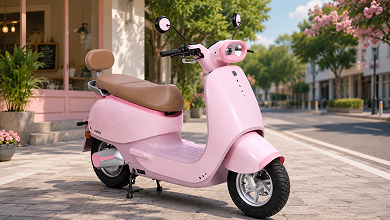
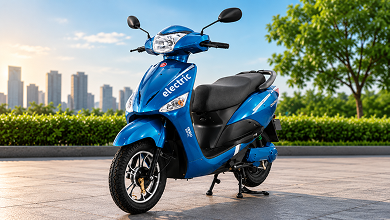
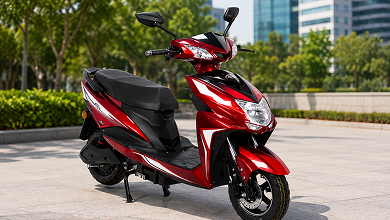
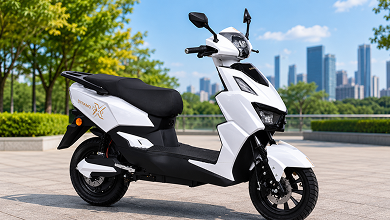
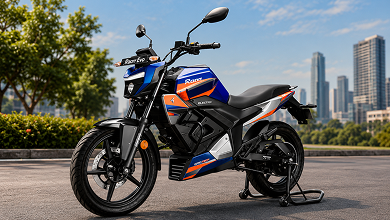
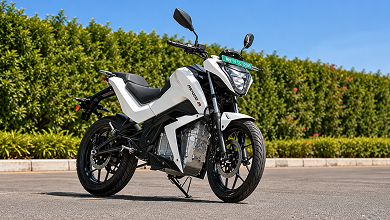
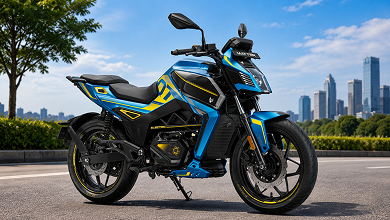
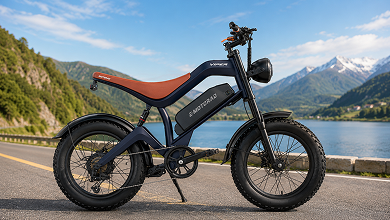
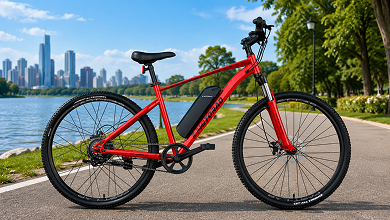
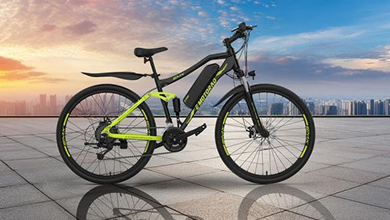
Two-wheelers handle the bulk of rural personal transport. The ideal rural electric scooter or bike must feature strong frame strength, decent ground clearance, and reliable suspension.
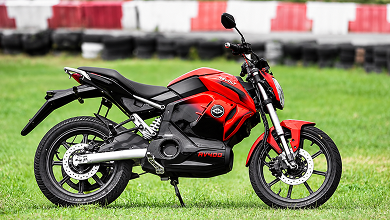
River Indie ("The SUV of Scooters"): Purpose-built for heavy utility. It features 14-inch wheels, dual front and rear spring suspension, crash guards, lockable pannier mounts, and 43 litres of under-seat storage. It handles rough tracks and heavy agricultural loads easily.
TVS iQube: Built on a proven chassis with traditional metal-reinforced body panels and predictable telescopic front suspension. Its steady acceleration and deep service network across tier-3 towns make it a dependable family vehicle.
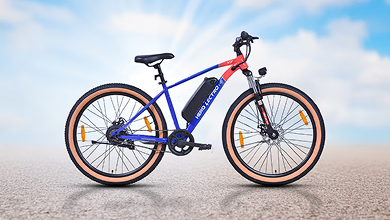
Hero Electric / Okinawa Series: Entry-level models with removable lithium-ion batteries. Users in villages with fluctuating power can detach the battery and charge it safely inside their home.
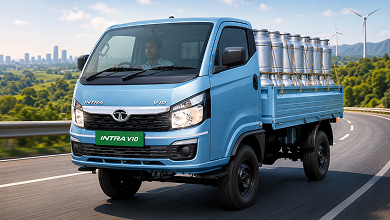
Transporting milk cans, fresh vegetables, poultry, and retail goods from farms to local mandis requires sturdy haulers.
Mahindra Zor Grand: Rated for a 750 kg payload with a spacious delivery box tray. It delivers strong gradeability to pull out of muddy farm tracks.
Piaggio Ape E-Xtra FX: Built on the iconic Ape chassis, featuring a metal body and high ground clearance. It runs at roughly INR 0.50 per km, keeping transport expenses minimal.
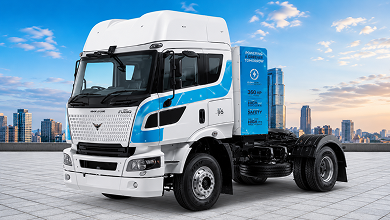
Tata Ace EV: The electric version of India's most popular mini truck features a heavy-duty steel ladder frame, leaf-spring suspension, and a certified payload of up to 1,000 kg. It connects farm aggregators directly to urban wholesale markets.
Mahindra Zeo: Features a high-capacity battery pack and high-torque motor, offering a 765 kg payload capability with excellent high-load range.
Diesel consumption accounts for one of the largest seasonal expenses in farming. Electric tractors offer clean power for tilling, rotavating, sowing, and trailer haulage.
Sonalika Tiger Electric: Powered by an IP67-rated battery system, this 15 HP to 25 HP equivalent compact tractor handles spraying, rotavating, and orchard farming. It charges fully in 4–5 hours from a regular socket.
AutoNXT X45 / X60: High-torque electric tractors designed for heavy tillage, plowing, and multi-acre field operations with zero tailpipe emissions.
Montra Electric E-Tractor Series: Built with high peak torque output and LFP battery chemistry, tailored specifically for heavy agricultural implements and long field shifts.
For rural families looking for an all-weather passenger vehicle, high ground clearance and structural safety take priority over fancy gadgets.
Tata Punch EV: With 190 mm of ground clearance, multi-mode regenerative braking, and a rigid platform, the Punch EV handles flooded roads, unpaved tracks, and high road bumps effortlessly.
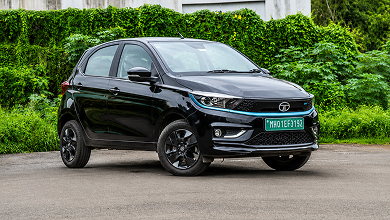
Tata Tiago EV: India's most accessible electric hatchback. It provides a reliable family transport option for daily trips to regional cities, backed by a wide rural service network.
Before buying an electric vehicle for village or agricultural use, keep these four technical factors in mind:
Ground Clearance & Suspension: Ensure two-wheelers have at least 165 mm ground clearance and four-wheelers have 180+ mm to avoid scraping underbodies on uneven tracks.
Dust & Water Ingress Protection (IP Rating): Look for motors and battery packs rated IP67 or higher. This guarantees protection against dust storms and standing water during monsoons.
Charger Compatibility & Voltage Protection: Choose EVs that come with wide-voltage portable chargers equipped with surge protection to handle voltage fluctuations common in rural power grids.
Service Accessibility: Select brands that have local sub-dealers or mobile service vans operating within a 20–30 km radius of your village.
The shift toward electric mobility in rural India is rooted in plain economics. For daily commuting, agricultural hauling, and family transport, electric vehicles drastically lower running costs while eliminating reliance on distant fuel pumps.
By selecting vehicles with high ground clearance, IP67-rated battery protection, and strong chassis builds, rural buyers can enjoy dependable, low-cost transportation built to handle tough village conditions for years to come.


Manage reminders, payment status, and renewal dates from one simple app.


Trusted by policyholders to track every renewal.