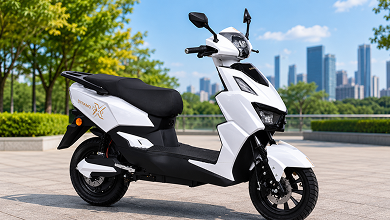
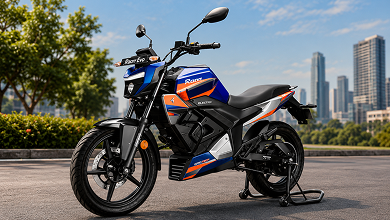
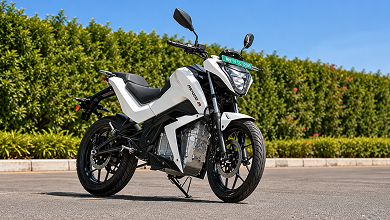
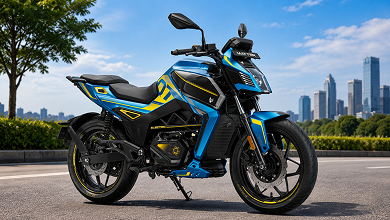
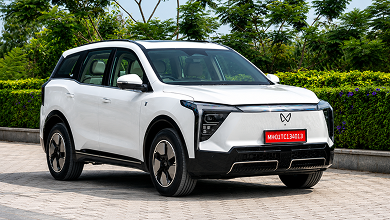
Most "electric car price list" pages in India throw fifty models at you in whatever order the manufacturer paid for or the site's algorithm prefers. If you're actually trying to find an electric car low-price option that fits a specific budget, that's not particularly useful; you end up scrolling past a INR 75 lakh Mercedes to find the ₹6 lakh Tata you actually wanted to compare.
This guide does it differently. Every model here is organised strictly by price, from the cheapest electric car sold in India today up through the mid-range segment most buyers actually shop in. No random ordering, no burying the affordable options under premium SUVs.
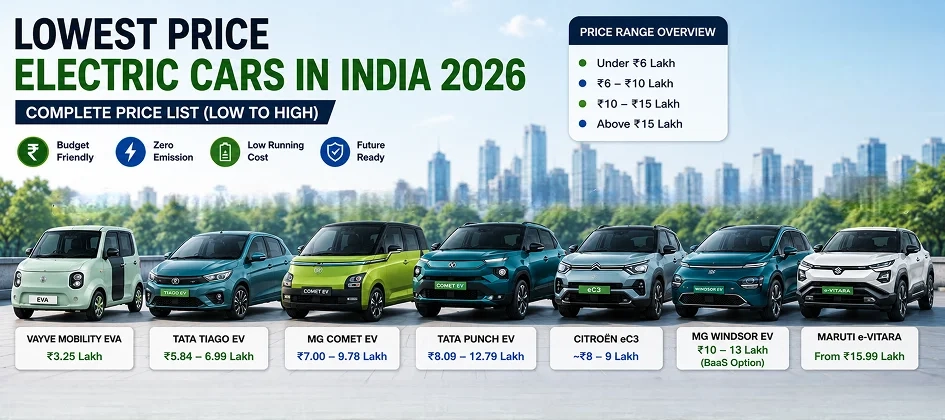
The lowest-priced electric car in India in 2026 is the Vayve Mobility Eva at INR 3.25 lakh, followed by the MG Comet EV (INR 7.00–9.78 lakh) and Tata Tiago EV (INR 5.84–6.99 lakh). Among full-size options, the Tata Punch EV (INR 8.09–12.79 lakh) offers the best balance of price, range, and SUV styling for most buyers under INR 12 lakh.
The lowest-priced electric car available in India right now. It's a compact, solar-assisted city car built specifically for short urban commutes rather than long-distance or highway driving. If your daily driving is genuinely short and predictable, this is the cheapest way into four-wheeled EV ownership.
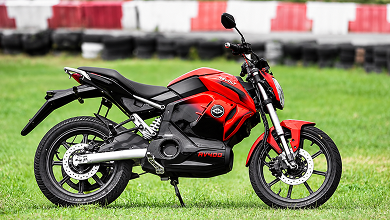
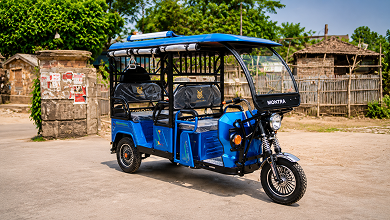
Technically a micro-mobility vehicle rather than a standard car, the EaS-E fills the gap between electric scooters and full-size electric cars. Best suited to sub-80 km daily use.
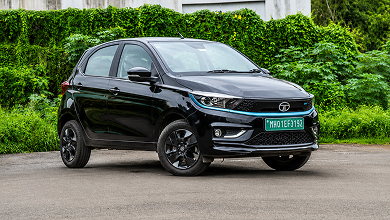
The Tiago EV is the most practical low-price electric car in this bracket, offering a proper hatchback body, established service network, and two battery options: a 19.2 kWh pack with roughly 257 km range, and a 24 kWh pack stretching to around 315 km. For most first-time EV buyers wanting genuine daily-driver reliability at a low price, this is the starting point worth taking seriously.
A compact, tech-forward city car built for tight urban parking. It trades some interior space for a distinctive, feature-rich cabin at a competitive price point.
The Punch EV brings SUV styling and a 5-star Bharat NCAP safety rating into the sub-INR 13 lakh bracket, with real-world range approaching 300 km on higher variants. It's currently one of the strongest all-round choices for buyers who want SUV presence without SUV pricing.
A 29.2 kWh battery pack delivers a certified range around 320 km, making the eC3 a genuine highway-capable option at a price that still qualifies as budget-friendly.
The Windsor EV's standout feature is its Battery-as-a-Service model, which separates the vehicle purchase from the battery cost, significantly lowering the effective upfront price for buyers willing to pay a monthly battery subscription instead.
India's largest carmaker's first EV, leveraging Maruti's extensive dealer network and reputation for reliability, is a meaningful factor for buyers who prioritise service convenience over cutting-edge specs.
Sits just above the strict "low price" bracket but is frequently cross-shopped by buyers stretching their budget slightly for Hyundai's build quality and nationwide service reach.
An INR 3.25 lakh Vayve Eva and an INR 12 lakh Tata Punch EV both get called "budget EVs", but they're solving completely different problems. Three factors drive the spread:
A Pune-based first-time car buyer compared the Tata Tiago EV against a similarly priced petrol hatchback and found the EV's total running cost over three years came out lower, even after accounting for the EV's slightly higher upfront price, largely due to electricity costs versus petrol.
A Bengaluru-based small business owner chose the Tata Punch EV over the MG Comet EV specifically for its larger boot space, needed for carrying equipment between job sites, showing how body type often matters as much as raw price when comparing "low price" EVs.
| Model | Price Range (Ex-showroom) | Battery | Range (Certified) |
|---|---|---|---|
| Vayve Mobility Eva | INR 3.25 Lakh | Small, solar-assisted | Short urban range |
| PMV EaS-E | INR 4.79 Lakh | Micro-mobility pack | Sub-80 km ideal use |
| Tata Tiago EV | INR 5.84–6.99 Lakh | 19.2–24 kWh | 257–315 km |
| MG Comet EV | INR 7.00–9.78 Lakh | Compact city pack | City-focused range |
| Tata Punch EV | INR 8.09–12.79 Lakh | Mid-size pack | Up to ~300 km |
| Citroën eC3 | ~INR 8-9 Lakh | 29.2 kWh | ~320 km |
| MG Windsor EV | INR 10-13 Lakh (BaaS option) | Mid-large pack | Competitive in segment |
| Maruti e-Vitara | From INR 15.99 Lakh | Larger SUV pack | Higher range bracket |
Prices are ex-showroom estimates and vary by state, city, and dealer. Always confirm current on-road pricing before purchase.
Finding the right low-price electric car option in India comes down to matching your actual budget ceiling against your genuine driving needs, not just chasing the cheapest number on a list. The Vayve Eva and PMV EaS-E offer the lowest entry points but suit short, predictable commutes only. The Tata Tiago EV remains the most practical low-price electric car for buyers wanting a proper daily-driver hatchback, while the Tata Punch EV is worth stretching for if SUV styling and slightly longer range matter to you. Whatever you choose, compare on-road price and real-world range before committing; the sticker price rarely tells the full story.
1. What is the lowest-priced electric car in India?
The Vayve Mobility Eva is currently the lowest-priced electric car in India at INR 3.25 lakh, though it's a compact city-focused vehicle rather than a full-size car.
2. What is the cheapest full-size electric car in India?
The Tata Tiago EV, starting at INR 5.84 lakh, is the cheapest full-size hatchback electric car in India, offering proper daily-driver practicality.
3. Which low-price electric car has the longest range?
Among budget options, the Tata Tiago EV's 24 kWh variant offers around 315 km of certified range, while the Citroën eC3 offers approximately 320 km at a slightly higher price point.
4. Are low-price electric cars in India reliable for daily use?
Yes, particularly models from established manufacturers like Tata, which have wide service networks and multi-year battery warranties, making them practical for regular daily commuting.
5. Do low-price electric cars qualify for government subsidies in India?
Yes, all electric cars in India benefit from a reduced 5% GST rate compared to much higher rates on petrol and diesel cars, and many states offer additional road tax waivers.
6. What is the price difference between the cheapest and most affordable full-size EV?
The Vayve Eva starts at INR 3.25 lakh as a micro-mobility vehicle, while the cheapest full-size hatchback, the Tata Tiago EV, starts at INR 5.84 lakh, a gap that reflects the difference in vehicle category rather than just features.
7. Is a low-price electric car worth buying over a petrol car in the same budget?
For most daily commuters, yes, since lower running and maintenance costs typically offset the slightly higher upfront price over two to three years of ownership.
8. How much does it cost to charge a low-price electric car at home?
Home charging for a budget electric car typically costs between INR 100 and 200 for a full charge, depending on battery size and local electricity tariffs.
9. What should I check before buying a low-price electric car?
Check the real-world range for your specific commute, battery warranty length, service network availability in your city, and on-road price, including state-specific taxes and registration costs.
10. Will electric car prices in India drop further in 2026?
Battery costs have been declining steadily, and increased competition from new entrants is putting downward pressure on prices, so further reductions in the budget segment are likely, though the pace varies by manufacturer and segment.


Manage reminders, payment status, and renewal dates from one simple app.


Trusted by policyholders to track every renewal.