
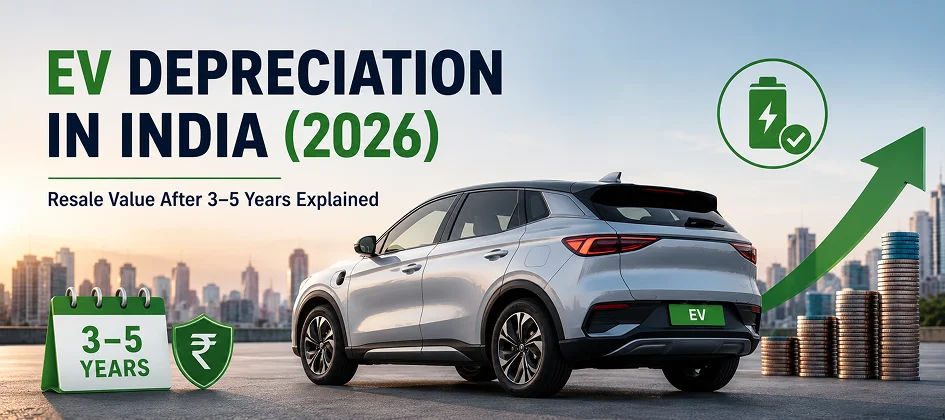
If you are planning to purchase an electric vehicle (EV) in India, you already know the immediate perks: silent driving, instant acceleration, and a massive drop in daily running costs compared to petrol or diesel vehicles. However, a critical question arises when looking at the overall balance sheet: How much value does an electric vehicle lose after 3–5 years, and what will an EV be worth when I sell it?
The short answer is there is no universal, fixed percentage for EV depreciation in India. An EV does not automatically lose a rigid percentage of its value each year. Instead, EV resale value in India depends on a mix of variables, including battery health, remaining factory warranty, vehicle segment, real-world mileage, brand service network, technology upgrades, and used-market buyer confidence.
Whether you are looking at an electric scooter for daily city errands, a family electric car, or a commercial electric cargo vehicle, understanding electric vehicle depreciation in India is essential to calculating your true EV total cost of ownership.
At its core, depreciation is the reduction in a vehicle's market value over time caused by age, usage, wear and tear, technology shifts, and market demand dynamics.
To understand how electric vehicle resale price works in practice, it helps to separate three basic financial definitions:
Purchase Price: What the buyer originally paid (on-road price, including taxes, insurance, and accessories).
Current Market Value: What the vehicle may reasonably sell for today.
Depreciation: The difference between the original purchase price and current market value.
Suppose a buyer purchases a new mid-spec electric SUV in 2026 for an on-road price of INR 1,500,000. Three years later, after regular driving and maintenance, the vehicle commands a real-world market resale price of INR 975,000.
Depreciation Amount = INR 1,500,000 - INR 975,000 = INR 525,000
(Note: The numbers above represent an illustrative scenario for demonstration purposes; actual transaction prices vary based on individual vehicle inspection, region, and market conditions.)
Understanding this gap is crucial because electric car depreciation directly dictates how much of your initial capital is recovered when upgrading to a newer model down the line.
While market supply and demand ultimately dictate the final sale price, calculating historical or projected depreciation relies on two simple financial formulas:
Depreciation (INR) = Original Purchase Price - Current Market Value
Depreciation Percentage (%) = {Original Purchase Price - Current Market Value}/{Original Purchase Price} X 100
While these formulas provide a mathematical baseline, a used EV's value in India is not calculated strictly by a spreadsheet rule. Unlike traditional petrol vehicles, where buyers primarily evaluate engine displacement, body condition, and odometer readings, used EV buyers heavily scrutinise EV battery health, resale value, diagnostic State of Health (SOH) reports, and active software ecosystems.
The three-year milestone is a popular time for vehicle trade-ins and upgrades in India. At the 3-year mark, most passenger EVs and personal electric two-wheelers are well within their OEM manufacturer battery warranties (which typically span 8 years or 160,000 km for passenger cars and 3 to 5 years for premium electric scooters).
Battery Warranty Cushion: Having 5 remaining years of factory battery protection creates significant peace of mind for secondary buyers.
Odometer Reading: Vehicles kept within moderate annual usage brackets (under 12,000–15,000 km per year) retain noticeably stronger buyer interest.
Brand Service Network: Models from established OEMs with widespread service touchpoints across Tier-1 and Tier-2 cities hold value far better than niche startups with uncertain service continuity.
| Vehicle Class | Illustrative Initial Price | Age | Estimated Mileage | Illustrative Resale Price | Illustrative Value Lost | Illustrative Retention |
| Electric Scooter | INR 135,000 | 3 Years | 24,000 km | INR 74,000 – INR 83,000 | INR 52,000 – INR 61,000 | ~55% – 61% |
| Electric Passenger SUV | INR 1,600,000 | 3 Years | 36,000 km | INR 960,000 – INR 1,080,000 | INR 520,000 – INR 640,000 | ~60% – 67.5% |
(Disclaimer: These figures serve as illustrative examples. Actual electric car resale value after 3 years fluctuates based on regional demand, vehicle health, and ongoing market trends.
At the 5-year benchmark, the depreciation landscape undergoes a shift. Differences in battery maintenance habits, daily charging styles (AC slow charging vs. frequent DC fast charging), total mileage, and physical upkeep create wider valuation gaps between individual vehicles.
Battery Health & Range Retention: A 5-year-old EV that retains 85% to 90% of its original battery capacity will command a noticeable price premium over an identical vehicle showing elevated range degradation.
Out-of-Warranty Concerns: As vehicles approach or cross their original battery warranty boundaries, private buyers price in potential out-of-pocket battery module servicing costs.
Technology Modernisation: Rapid advancements in EV battery chemistry (such as LFP cell refinements) and charging infrastructure can make older charging standards or limited real-world ranges feel less competitive against newer entry-level EVs.
| Vehicle Class | Illustrative Initial Price | Age | Estimated Mileage | Illustrative Resale Price | Illustrative Value Lost | Illustrative Retention |
| Electric Scooter | INR 135,000 | 5 Years | 40,000 km | INR 47,000 – INR 57,000 | INR 78,000 – INR 88,000 | ~35% – 42% |
| Electric Passenger SUV | INR 1,600,000 | 5 Years | 65,000 km | INR 720,000 – INR 830,000 | INR 770,000 – INR 880,000 | ~45% – 52% |
(Disclaimer: Illustrative estimation only. Real-world EV resale value after 5 years depends heavily on diagnostic battery checks and vehicle inspection.)
Evaluating what affects electric vehicle resale value requires looking at multiple distinct factors:
The battery pack represents 30% to 45% of an EV's manufacturing cost. Consequently, battery condition is the single largest determinant of used EV pricing:
Capacity Retention (SOH): Buyers look for documented State of Health tests verifying that cell degradation remains low.
Charging Habits: Vehicles primarily slow-charged at home on AC power generally show healthier battery pack balance than vehicles subjected to daily high-temperature DC fast charging.
Thermal Management: EVs equipped with active liquid cooling systems maintain better long-term battery consistency under harsh Indian summer conditions than passively air-cooled battery packs.
While electric motors experience minimal mechanical wear compared to internal combustion engines, overall vehicle mileage still impacts resale value:
Low Mileage (<8,000 km/year): Attracts premium pricing due to minimal suspension wear, fresh interior condition, and low battery cycle counts.
Average Mileage (10,000–14,000 km/year): Sells within standard market valuation bands.
High Mileage (>20,000 km/year): Reflects higher battery charge-discharge cycles, pushing valuations toward the lower end of the bracket.
A transferable factory warranty serves as financial insurance for secondary buyers. An EV backed by 3 to 5 years of remaining manufacturer battery coverage consistently sells faster and fetches higher offers than a vehicle with an expired warranty.
In the Indian market, secondary buyers place a premium on brand stability:
Established OEMs: Brands with nationwide dealership networks, readily available spare parts, and established diagnostic tools instill long-term confidence.
Niche Startups: Vehicles from unproven brands or startups facing service centre closures suffer steep depreciation due to buyer anxiety over future spare parts and software upkeep.
A digital or paper trail showing routine annual inspections, brake fluid replacements, coolant flushes, and software updates proves proper upkeep, directly protecting used EV value in India.
Modern EVs function as software devices on wheels. Over-the-air (OTA) update support, responsive infotainment systems, and functional mobile app integration preserve desirability in the pre-owned market.
EVs built on universally adopted fast-charging standards (such as CCS2 for cars or standardised LEV AC connectors for two-wheelers) offer far better usability and resale value than models utilising rare or phased-out charging port designs.
States and metro hubs with dense public charging networks (such as Maharashtra, Tamil Nadu, Karnataka, Delhi-NCR, and Kerala) display stronger pre-owned EV demand and higher price retention than regions with limited charging infrastructure.
A common debate among vehicle buyers is whether EVs lose value faster or slower than petrol or diesel vehicles. The answer depends on the stage of vehicle ownership.
Key Difference:
| Evaluation Metric | Electric Vehicle (EV) | Petrol Vehicle (ICE) |
| Initial Purchase Price | Higher upfront investment | Lower initial entry cost |
| Running Cost | Extremely Low (Approx. INR 1.20 – 1.70 / km) | High (Approx. INR 7.50 – 9.00 / km) |
| Routine Maintenance | Minimal (No oil changes, fewer moving parts) | Higher (Filters, oil, spark plugs, belts) |
| Major Component Risk | Battery capacity degradation over time | Engine/Transmission mechanical wear |
| Secondary Market Buyer Base | Growing rapidly, concentrated in urban centers | Massive nationwide buyer market |
| Tech Obsolescence Rate | Faster (Battery chemistry & software jumps) | Slower (Mature internal combustion tech) |
| 5-Year Total Cost Impact | High fuel savings offset depreciation loss | Lower depreciation offset by high fuel bills |
Summary: While a petrol car may retain a slightly higher percentage of its original sticker price after 5 years, the EV often delivers a lower overall EV total cost of ownership due to massive savings on fuel and servicing over the same timeframe.
Because the eVehicals platform covers the entire spectrum of Indian electric mobility, let us examine how depreciation behaves across different vehicle classes:
Electric car resale value in India is anchored by mid-priced passenger SUVs and hatchbacks.
Mass-Market Passenger Cars: Models featuring Lithium Iron Phosphate (LFP) batteries (known for long cycle life) retain solid value among daily commuters seeking low running costs.
Premium & Luxury EVs: Luxury electric cars generally experience steeper initial percentage depreciation, mirroring the depreciation behaviour of luxury petrol and diesel sedans.
Electric scooter resale value is heavily driven by battery health and daily utility:
Daily commuter scooters accumulate high mileage quickly. Premium scooters backed by robust thermal management and transferable battery warranties retain strong value in metro markets.
Budget scooters using passive air cooling or low-capacity battery packs suffer faster resale decline after 3 years.
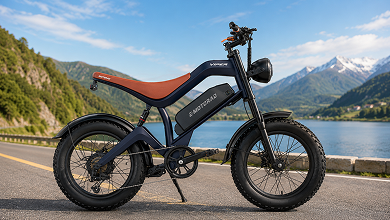
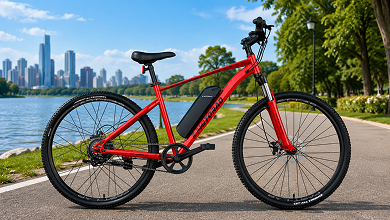
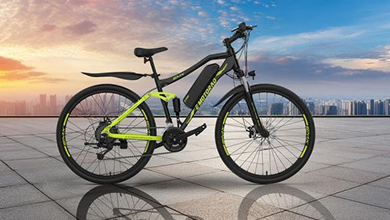
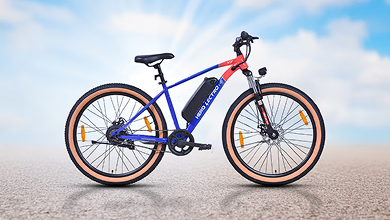
Electric bike resale value appeals to youth and commuter segments. Models offering highway-capable speeds, robust frame builds, and reliable battery packs retain strong demand in urban secondary markets.
Commercial electric mobility operates under an entirely different financial equation:
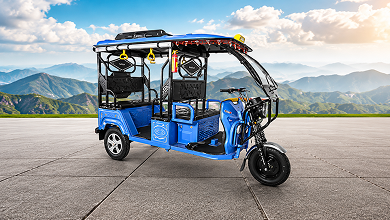
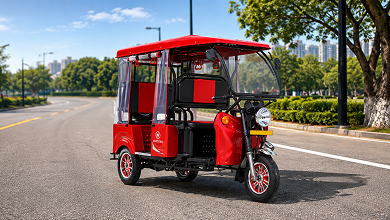
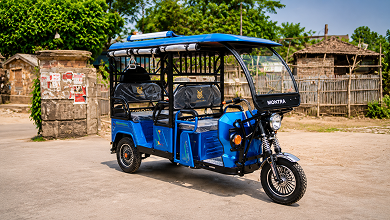
Electric Rickshaws (3-Wheelers): Buyers focus on earning potential per charge. Resale value is calculated based on daily revenue capability rather than aesthetic condition.
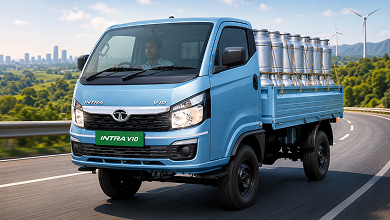
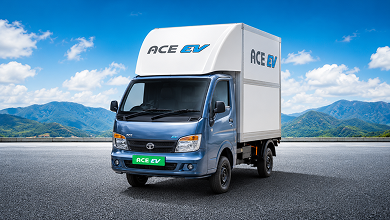
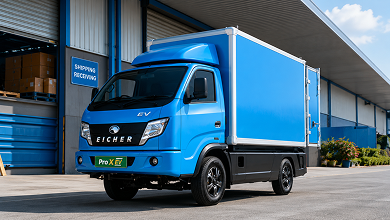
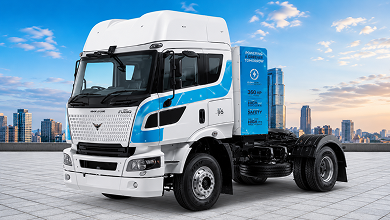
Electric Cargo Vans & Light Trucks: Fleet operators prioritise total cost per payload kilometre. A commercial EV with a verified battery health log and functional fast-charging capability commands high demand from last-mile logistics businesses.
Yes, battery degradation influences used-EV pricing, but it is not a reason for panic.
Modern EV batteries engineered for Indian climate conditions utilise sophisticated Battery Management Systems (BMS) and durable chemistry (such as LFP) that age gracefully over time.
Modern automotive battery packs typically retain 80% to 90% of their original capacity after 5 years of standard driving.
Verifiable State of Health (SOH): An EV showing an SOH certificate of 88% after 4 years reassures secondary buyers that the vehicle will deliver reliable daily range.
Predictable Range: If a car originally offered 300 km of real-world range and now delivers 260 km, it remains more than adequate for daily urban commutes, retaining substantial utility value.
Warranty Protection: As long as the battery's capacity remains above the manufacturer's warranty degradation threshold (typically 70% capacity during the warranty period), buyers remain protected against cell failures.
Kilometres driven impact EV valuations differently than traditional petrol vehicles:
Low-Mileage Used EV (<25,000 km in 3 Years): Commands top market prices. The battery pack has undergone fewer charge-discharge cycles, and brake wear is virtually non-existent due to regenerative braking.
Medium-Mileage Used EV (30,000 – 55,000 km in 3–4 years): Represents the sweet spot for used EV buyers. The vehicle has proven real-world reliability, and running cost savings have already been demonstrated.
High-Mileage Used EV (>75,000 km in 4–5 years): Experienced higher battery cycling. Price adjustments occur to reflect the higher usage, making these vehicles attractive to bargain hunters or fleet operators.
Battery replacement in a used EV presents a dual scenario for resale valuation:
If an out-of-warranty EV has a severely degraded battery pack requiring replacement, secondary buyers will factor the estimated replacement battery cost into their purchase offer, resulting in a low bid for the vehicle.
If an EV has had its battery pack replaced under factory warranty by the OEM backed by official documentation and a fresh warranty period, its resale value increases significantly. A fresh battery pack removes the secondary buyer's primary concern, allowing the seller to command a premium price.
Understanding what buyers look for at each stage of an EV's life helps you plan the ideal selling window:
| Ownership Period | Primary Buyer Focus | Depreciation Impact Level | Strategic Seller Tip |
| Year 1 | Physical condition, showroom finish, transfer of benefits | High (Initial drive-off depreciation) | Avoid selling unless necessary; early resale maximises financial loss. |
| Year 2 | Minor wear, service history, software update log | Moderate | Ensure all OEM software updates are current. |
| Year 3 | Remaining battery warranty, SOH score, tyre condition | Balanced (Popular trade-in window) | Ideal sell window: High remaining warranty offers strong buyer confidence. |
| Year 4 | Real-world range retention, battery health certificate | Stable | Obtain an official OEM diagnostic report before listing. |
| Year 5 | Battery SOH, extended warranty status, charging port type | Accelerated for poor-SOH units | Highlight low running costs and document a complete service history. |
| Years 6+ | Out-of-warranty coverage, parts availability, battery health | Dependent on battery SOH | Target buyers seeking affordable urban runabouts or conversion projects. |
While all vehicles depreciate, proper care helps you maximise your vehicle's value when it comes time to sell:
Follow Healthy Charging Practices: Keep daily battery state-of-charge between 20% and 80% for routine city use. Minimise continuous DC fast charging in extreme heat when slow AC home charging is available.
Maintain Authorised Service Logs: Always service your EV at authorised brand centres to preserve warranty validity and create a verifiable maintenance record.
Preserve Warranty Papers: Keep all physical and digital records of extended battery warranties, motor coverage, and roadside assistance.
Care for Tyres and Brakes: EVs deliver high instant torque, which can accelerate tyre wear if driven aggressively. Rotate tyres periodically and inspect brake pads.
Protect the Exterior & Undercarriage: Protect the underbody battery casing from scraping or damage on rough terrain.
Before placing your EV on the used market or evaluating a trade-in offer, follow this step-by-step estimation process:
Browse Active Listings: Search active used-EV listings for your exact make and model year.
Filter by Variant: Match your specific battery capacity, trim level, and motor output.
Compare Mileage: Look at vehicles in a similar mileage band (e.g., 30,000–40,000 km).
Check Warranty Balances: Compare how much battery warranty remains on competing vehicles.
Factor in Condition: Evaluate overall exterior, interior, and tyre condition.
Verify Service Records: Check for documented OEM servicing.
Gauge Local Demand: Check regional urban market demand in your city.
Discount Asking Prices: Apply a 5% to 10% discount on public asking prices to project realistic final sale values.
Below is an illustrative calculation demonstrating how a mid-segment electric car might be valued after 3 years of standard urban ownership in India:
Original On-Road Purchase Price: INR 1,500,000
Vehicle Age: 3 Years
Total Distance Driven: 36,000 km (12,000 km/year)
Battery State of Health (SOH): 92% (Healthy)
Remaining Battery Warranty: 5 Years / 124,000 km
Estimated Real-World Resale Value: INR 945,000
Total Value Depreciated: INR 555,000
Effective 3-Year Depreciation: 37% (63% Value Retained)
(Assumptions: vehicle kept in good physical condition, serviced at an authorised centre, moderate climate usage.) Real-world market results vary based on location and buyer negotiations.)
Below is an illustrative calculation showing a 5-year ownership period for the same mid-segment electric car:
Original On-Road Purchase Price: INR 1,500,000
Vehicle Age: 5 Years
Total Distance Driven: 65,000 km (13,000 km/year)
Battery State of Health (SOH): 84% (Good)
Remaining Battery Warranty: 3 Years / 95,000 km
Estimated Real-World Resale Value: INR 720,000
Total Value Depreciated: INR 780,000
Effective 5-Year Depreciation: 52% (48% Value Retained)
(Assumptions: Normal wear and tear, battery health well within OEM operating standards. Actual used market values fluctuate according to regional buyer demand.)
Evaluating an EV purely by its resale price tag overlooks half of the financial picture. To evaluate true value, you must look at the EV total cost of ownership (TCO):
Total Cost of Ownership = (Purchase Price + Charging Costs + Maintenance + Insurance) - Resale Price
Fuel Savings Advantage: Over 60,000 km, an electric car charging at home (INR 1.40/km) spends roughly INR 84,000 on energy. A comparable petrol car (INR 8.00/km) spends roughly INR 480,000 on fuel. That represents a direct operational saving of INR 396,000.
Maintenance Advantage: Over 5 years, the EV owner saves an additional INR 30,000–INR 50,000 on engine oil changes, spark plugs, filters, and mechanical repairs.
When you add INR 420,000+ in operational savings back into the balance sheet, the net financial impact of depreciation is significantly reduced, making the EV highly cost-effective over its full lifecycle.
For a deeper dive into running costs and payback timelines, read our comprehensive guides:
EV Total Cost of Ownership in India (2026)
When Does an EV Become Cheaper Than Petrol? Break-Even & Savings Guide
If you are considering buying a used electric vehicle in India, the secondary market offers exceptional value—provided you perform due diligence.
Obtain an official OEM battery health diagnostic report (SOH %).
Verify remaining factory battery & motor warranty coverage.
Inspect charging cables, portable wall chargers & port pins.
Check full service history at authorised brand service centres.
Test-drive to check regenerative braking & suspension noise.
Verify active software version & mobile app connectivity status.
Inspect tyres for uneven tread wear caused by instant torque.
Confirm vehicle insurance validity & RC transfer eligibility.
Urban Commuters: Buying a 3-year-old EV with a healthy battery lets you skip initial depreciation while enjoying ultra-low daily commuting costs.
First-Time EV Buyers: Provides an affordable way to transition to electric mobility without a heavy initial capital investment.
When evaluating electric vehicle depreciation in India, it is clear that there is no single, fixed depreciation percentage that applies to every electric car, scooter, bike, or commercial vehicle.
Resale value is governed by key factors: battery health (SOH), remaining factory warranty, odometer reading, brand service network, maintenance history, and local market demand.
Before purchasing an EV, evaluate both its daily operational cost savings and its long-term resale potential. An EV with low charging and maintenance costs can dramatically lower your total cost of ownership over 3 to 5 years, easily balancing out initial depreciation.
By selecting an established brand, maintaining healthy battery charging habits, preserving service records, and monitoring battery health, you can enjoy zero-emission driving while protecting your vehicle's resale value when it comes time to trade in or upgrade.


Manage reminders, payment status, and renewal dates from one simple app.


Trusted by policyholders to track every renewal.