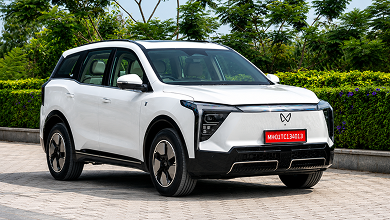
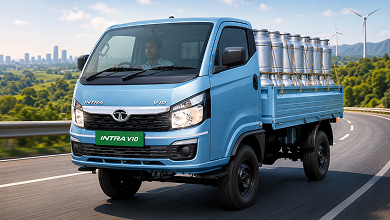
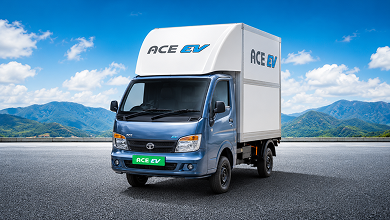
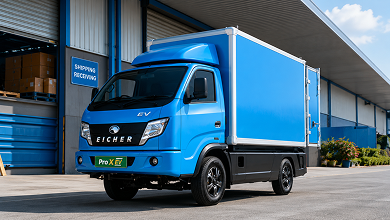
Type "top EV brands in India" into Google right now, and you'll find a dozen lists that all read roughly the same: Tata leads cars, Ola leads scooters, and that's done. That was true a couple of years ago. It's not the full picture anymore.
The Indian EV market has shifted meaningfully in the last twelve months. Ola Electric, once the runaway leader in electric scooters, has slipped to fifth place in monthly sales. Legacy two-wheeler giants like TVS and Bajaj, dismissed as slow movers not long ago, are now outselling every pure-play EV startup combined. On the car side, Tata still leads by volume, but Mahindra, Hyundai, and even newer entrants like BYD and VinFast are eating into that lead faster than most buyers realise.
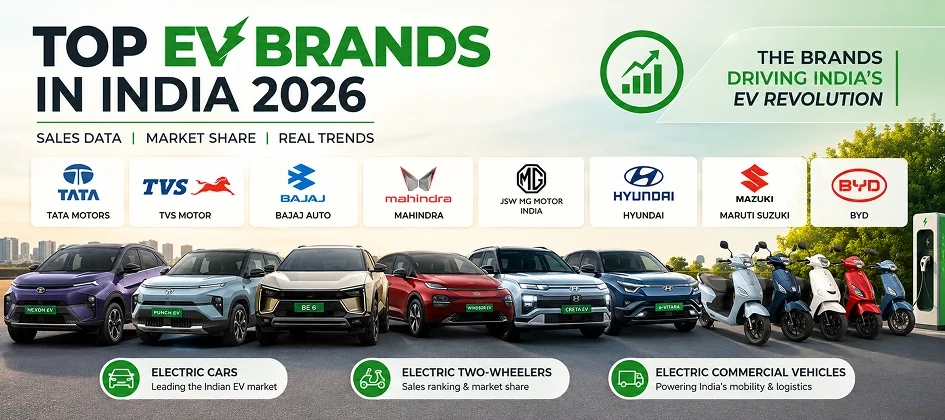
This guide ranks the top EV brands in India for 2026 across cars, two-wheelers, and commercial vehicles, using actual sales and registration data rather than brand reputation alone. If you're buying an EV, tracking the industry, or just curious who's actually winning, this is the current picture.
The top EV brands in India in 2026 are Tata Motors (leading electric cars by volume), TVS Motor (leading electric two-wheelers with a 24-25% market share), Bajaj Auto (second in two-wheelers via the Chetak range), Mahindra (fastest-growing electric SUV maker), and Ather Energy (leading pure-play EV two-wheeler brand). Ola Electric has fallen to fifth place in scooter sales.
Most "top EV brand" lists rank companies by reputation, product range, or how long they've existed. That approach misses what actually matters to a buyer: is this brand still winning or coasting on an old reputation?
This list is built around three things:
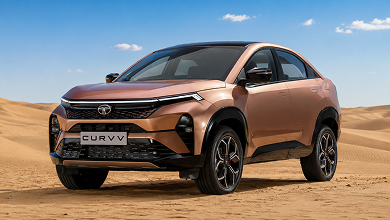
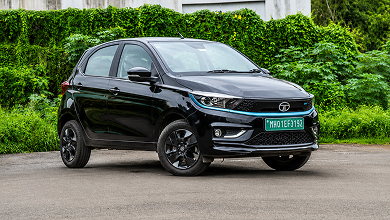
Tata continues to lead India's electric car market, built on a wide lineup spanning the Tiago EV, Punch EV, Nexon EV, Curvv EV, and the newly arriving Sierra EV. Its scale advantage comes from an extensive dealer and service network across both urban and smaller towns, plus a lifetime high-voltage battery warranty that reduces long-term ownership anxiety for buyers.
Popular models: Nexon EV, Punch EV, Tiago EV, Sierra EV
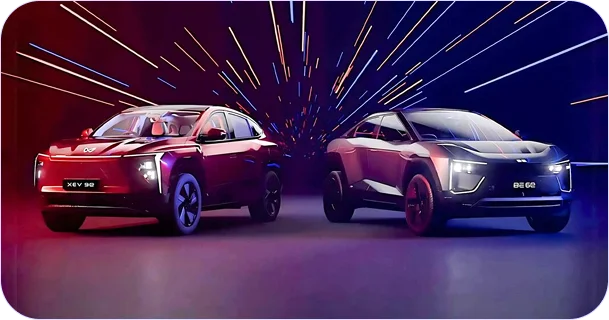
Mahindra has repositioned itself around dedicated EV platforms rather than adapted petrol models. The BE 6 and XEV 9e, built on its INGLO architecture, offer long real-world range and strong performance credentials, while the XUV400 continues to serve budget-conscious SUV buyers.
Popular models: BE 6, XEV 9e, XUV400 EV
Now operating as JSW MG Motor India following its joint venture restructuring, MG has built momentum with the Windsor EV, which introduced a battery-as-a-service model letting buyers purchase the car separately from the battery, sharply lowering the upfront cost.
Popular models: Windsor EV, Comet EV, ZS EV
Hyundai's Creta Electric has become one of the most aspirational mainstream electric SUVs in the ₹18-20 lakh bracket, backed by Hyundai's reputation for build quality and an extensive nationwide service network.
Popular models: Creta Electric, Ioniq 5
Maruti's long-awaited e-Vitara finally brought India's largest carmaker into the EV space, leveraging its dealer network, the largest in the country, and a strong reputation for reliability among first-time car buyers.
Popular models: e-Vitara
BYD has built a premium foothold in India with models like the Seal and Atto 3, backed by its in-house Blade Battery technology, which is known for strong safety performance and long-term durability.
Popular models: Seal, Atto 3, and the e6
This is where the biggest shift in India's EV story has happened. As of June 2026, the ranking looks nothing like it did two years ago.
| Rank | Brand | June 2026 Units Sold | Market Share |
|---|---|---|---|
| 1 | TVS Motor | 46,999 | ~24-25% |
| 2 | Bajaj Auto | 43,234 | ~22-23% |
| 3 | Ather Energy | 31,188 | ~16% |
| 4 | Hero MotoCorp (Vida) | 21,792 | ~11% |
| 5 | Ola Electric | 16,144 | ~8% |
| 6 | Greaves (Ampere) | 10,928 | ~5-6% |
TVS Motor leads the segment, driven largely by the TVS iQube, which has built a reputation for reliability and a wide dealer network rather than flashy specs.
Bajaj Auto sits close behind, powered almost entirely by the Chetak range (C25, C30, and C35 variants), leveraging its decades-old brand trust and manufacturing scale.
Ather Energy has quietly become the most disciplined pure-play EV two-wheeler business in India, expanding beyond its original premium, urban buyer base with the family-focused Ather Rizta.
Hero MotoCorp's Vida has posted the fastest year-on-year growth among top players, nearly tripling sales as it leverages Hero's existing two-wheeler distribution network.
Ola Electric, once the dominant EV scooter brand with close to 50% market share in 2024, has fallen to fifth place, a decline widely linked to after-sales service issues and rapid, difficult-to-sustain scaling.
Three factors consistently separate leading EV brands from smaller players in India:
A Chennai-based ride-sharing driver switched from an Ola S1 to a TVS iQube, specifically citing easier access to service centres and spare parts, a pattern echoed across many commentary threads on Ola's recent service-related struggles.
A Pune-based family looking for a second car chose the Mahindra XUV400 EV over a Tata Nexon EV largely for its longer real-world range on daily commutes, reflecting how closely buyers now compare range claims across top brands before purchase.
| Segment | Leading Brand | Market Share | Fastest-Growing Challenger |
|---|---|---|---|
| Electric Cars | Tata Motors | Largest by volume | Mahindra, BYD |
| Electric Two-Wheelers | TVS Motor | ~24-25% | Hero Vida (175% YoY growth) |
| Electric Commercial Vehicles | Tata Motors / Mahindra | Segment leaders | Euler Motors |
Market share figures reflect June 2026 FADA/industry retail data and change monthly. Always check the latest month's figures before drawing long-term conclusions.
The top EV brands in India for 2026 look meaningfully different from even a year or two ago. Tata remains the volume leader in electric cars, but Mahindra, Hyundai, and BYD are closing the gap fast. In two-wheelers, the story has flipped entirely; legacy giants TVS and Bajaj now outsell every pure-play EV startup, while Ola Electric's fall from near 50% market share to fifth place stands as a clear lesson in how quickly leadership can erode without strong after-sales support. Whichever segment you're buying into, the smartest approach is to check current sales data and service network strength for your city, rather than relying on brand reputation built two or three years ago.
1. Which is the top EV brand in India in 2026?
Tata Motors leads electric cars by volume, while TVS Motor leads electric two-wheelers with roughly 24-25% market share as of June 2026.
2. Is Ola Electric still the top EV scooter brand in India?
No. Ola Electric has fallen to fifth place in electric two-wheeler sales as of June 2026, behind TVS, Bajaj, Ather, and Hero Vida, largely due to after-sales service challenges and rapid, difficult-to-sustain scaling.
3. Which EV brand has the best after-sales service network in India?
Legacy automakers with existing petrol/diesel networks – Tata, Bajaj, TVS, and Hero, generally offer the widest and most established service coverage across India compared to newer pure-play EV startups.
4. What is the fastest-growing EV brand in India right now?
Hero MotoCorp's Vida brand has posted the fastest year-on-year growth among top two-wheeler players, with sales nearly tripling over the past year, while Mahindra leads growth momentum in the electric car segment.
5. Which EV brands make commercial and cargo electric vehicles in India?
Tata Motors, Mahindra, Euler Motors, Piaggio, and Bajaj Auto are among the leading manufacturers of electric commercial vehicles, including cargo three-wheelers, mini trucks, and light commercial vehicles.
6. Is Tata Motors still the largest EV car-maker in India?
Yes, Tata Motors continues to lead India's electric car market by volume, backed by a wide model lineup and extensive service network, though Mahindra and other brands are growing quickly.
7. Which EV brand offers the most affordable ownership model?
MG's Windsor EV uses a battery-as-a-service model that separates the vehicle and battery cost, significantly lowering the upfront price compared to most competitors in its segment.
8. How often do EV brand rankings change in India?
Quite often. Two-wheeler EV brand rankings have shifted meaningfully within just the past year, so it's worth checking current monthly sales data rather than relying on older "top brand" lists.
9. Which EV two-wheeler brand has the longest range?
Range varies by specific model rather than brand overall. Ather and Ola's flagship scooters often claim some of the highest range figures in the segment, though real-world range should be verified independently before purchase.
10. Should I buy from a legacy automaker or a pure-play EV startup?
Legacy automakers generally offer wider service networks and stronger resale value, while pure-play EV startups often lead on technology and software features. The right choice depends on how much you prioritise service convenience versus cutting-edge features.


Manage reminders, payment status, and renewal dates from one simple app.


Trusted by policyholders to track every renewal.