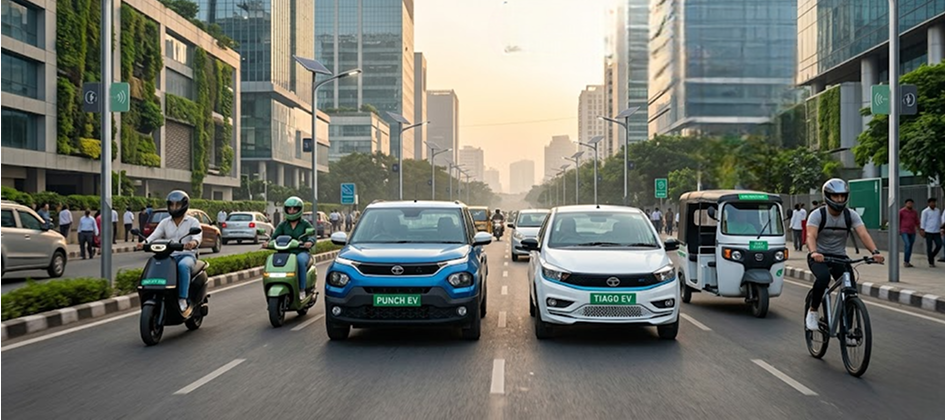
As fuel prices continue to fluctuate and urban traffic becomes more gridlocked, electric vehicles (EVs) have moved from a futuristic alternative to the smartest choice for everyday transportation. Whether you are navigating your morning office rush, heading to college, or managing local deliveries, switching to electric can dramatically reduce your monthly expenses.
In this comprehensive 2026 guide, we break down and compare the absolute best electric cars, motorcycles, scooters, commercial rickshaws, and bicycles tailored for Indian commuting conditions.
The absolute best EVs for Indian daily commuting in 2026 span across different form factors based on your budget and distance needs:
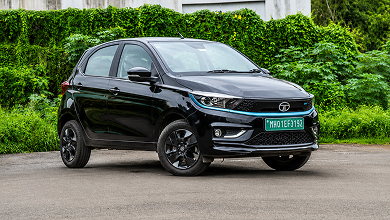
Electric Cars: Tata Punch EV (Premium/Family) & Tata Tiago EV (Budget City)
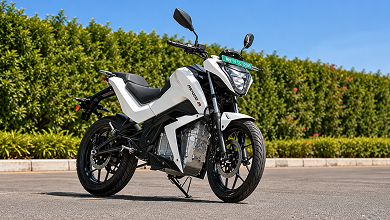
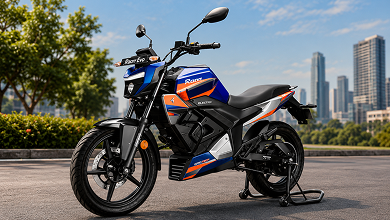
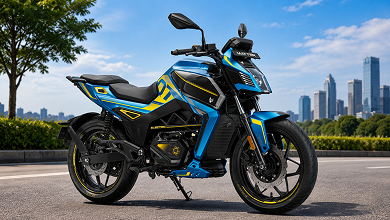
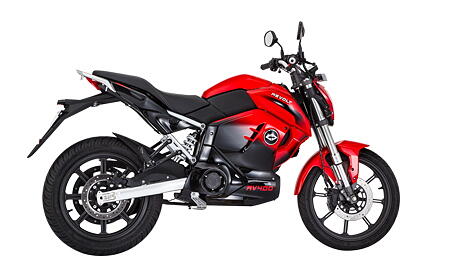
Electric Bikes: Revolt RV400 & Oben Rorr EZ
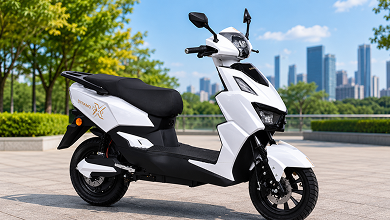
Electric Scooters: Ola S1 X & TVS iQube
Commercial Last-Mile: Mahindra Treo & Piaggio Ape E-City
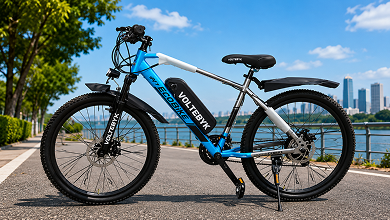
Short Urban Trips: Hero Lectro & EMotorad electric bicycles
Switching to an electric vehicle for your daily route offers massive operational advantages over conventional internal combustion engine (ICE) petrol or diesel vehicles:
Unmatched Running Costs: Charging an EV costs a fraction of a liter of petrol. A typical electric scooter runs at less than ₹0.50 per kilometer.
Low Maintenance: With fewer moving parts, no engine oil, spark plugs, or complex transmissions, EV servicing is simple and cheap.
Fatigue-Free Driving: The absence of engine vibration and gear shifts makes crawling through stop-and-go Indian traffic vastly less stressful.
The 2026 BaaS Revolution: The widespread availability of Battery-as-a-Service (BaaS) models allows you to buy the vehicle at a drastically lower upfront cost and simply pay for the battery usage like a fuel subscription.
Built on a dedicated liquid-cooled EV architecture, the Punch EV is India's premier compact electric SUV for city and highway commuters alike.
Best for: Office commuters and small families needing rugged road clearance.
Pros: Long real-world range, 5-star safety framework, premium cabin ventilation.
Cons: Higher initial acquisition cost compared to hatchbacks.
The car that truly democratized electric mobility in India remains a powerhouse for budget-conscious urban drivers.
Best for: Daily office travel and tight residential colony lanes.
Pros: Highly affordable pricing, snappy low-speed acceleration, familiar hatchback form factor.
Cons: Limited rear-seat legroom for longer highway journeys.
A radically compact, ultra-modern urban pod designed explicitly to conquer highly congested metropolitan areas.
Best for: Solo commuters or couples facing severe parking constraints.
Pros: Incredibly small footprint for effortless parking, premium dual-screen infotainment tech, very low turning radius.
Cons: Quirky looks are not for everyone; strictly a city runabout with no dedicated boot space.
The RV400 remains India’s benchmark electric motorcycle, balancing aggressive street-bike aesthetics with a highly practical swappable battery network.
Best for: College students and young corporate professionals.
Pros: Neutral and highly comfortable riding ergonomics, customizable artificial exhaust sounds, robust build quality.
Cons: Top-speed performance tapers off quickly on open bypass roads.
Engineered specifically to tackle longer commutes across sprawling cities, it offers high thermal stability via specialized battery chemistry.
Best for: Commuters traveling greater than 60 km daily across outer ring roads.
Pros: Strong mid-range acceleration, high real-world range, aggressive styling.
Cons: Limited dealership footprint in smaller tier-2 and tier-3 cities.
A pure, no-nonsense utility commuter motorcycle built strictly to minimize your cost per kilometer.
Best for: Traditional motorcycle loyalists migrating away from 100cc petrol bikes.
The definitive value king of the Indian scooter market, offering multiple battery configurations to precisely match your travel footprint.
Best for: General urban commuters looking for maximum range per rupee.
Pros: Large under-seat storage capacity, snappy physical key/digital unlocking mechanisms, highly competitive pricing.
Cons: Software interface requires occasional updates to stay perfectly smooth.
A highly dependable, conventional electric scooter built with the familiar comfort and mechanical reliability of a traditional family vehicle.
Best for: Multi-generational households sharing a single scooter.
Pros: Beautifully progressive, predictable braking and acceleration, top-tier build quality, extensive nationwide service network.
Cons: Styling is very safe and conservative compared to futuristic rivals.
A gorgeous, metal-bodied scooter that successfully merges classic heritage design with contemporary electric powertrains.
Best for: Riders prioritizing long-term durability and premium fit-and-finish.
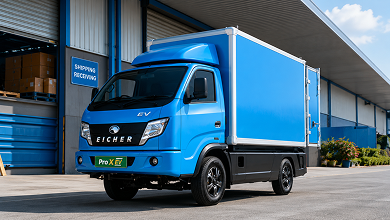
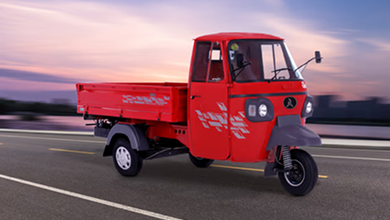
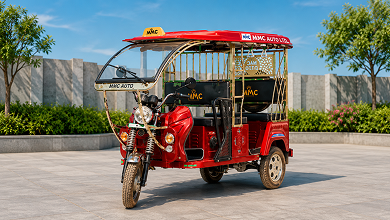
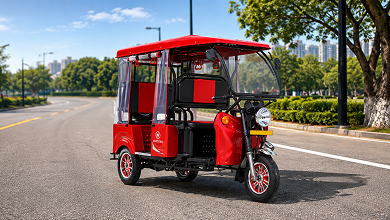
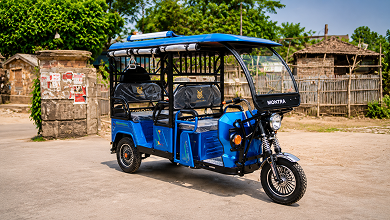
Electric three-wheelers have entirely revolutionized last-mile connectivity and commercial hub transport across India due to their incredibly low operating overheads.
Mahindra Treo: The segment leader featuring a durable lithium-ion pack and a rust-free advanced modular canopy.
Piaggio Ape E-City: Highly popular for its quick-swap battery architecture, ensuring minimal downtime during peak passenger hours.
YC Electric Models: Highly reliable, low-cost options optimized for localized regional e-rickshaw routes.
Best for: Fleet owners, independent transport operators, and localized delivery businesses.
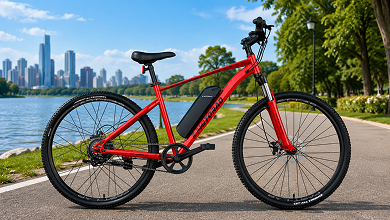
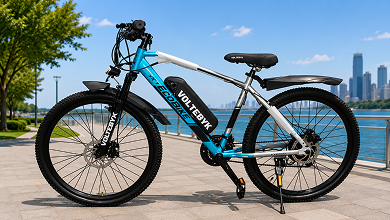
If your daily route is short, an e-bicycle gives you the flexibility of pedal-assist technology, keeping you fresh without breaking a sweat before arriving at your destination.
Hero Lectro Series: Offering integrated frame batteries with clean, stealthy designs perfect for college campuses.
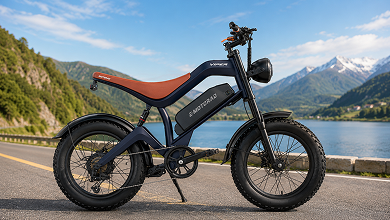
EMotorad Models: Equipped with dual-suspension setups built to handle rough patches and potholes.
Nexzu Bicycles: Long-range options equipped with robust luggage racks for carrying heavy laptop bags or groceries.
Best for: School/college students, fitness enthusiasts, and ultra-short eco-conscious urban trips.
| Vehicle Category | Top Recommended Choice | Primary Commuter Superpower | Best Suited For |
| Premium Electric Car | Tata Punch EV | 5-Star Safety & Road Clearance | Multi-passenger office commutes & highway runs |
| Budget Electric Car | Tata Tiago EV | Seamless City Maneuverability | Daily urban traffic & tight spaces |
| Electric Motorcycle | Revolt RV400 | Sporty Ergonomics & Swappable Tech | Youth and corporate professionals |
| Electric Scooter | Ola S1 X | Deep Storage & High Value | Mass-market urban daily travel |
| Commercial 3-Wheeler | Mahindra Treo | Maximum Daily Earning Potential | Last-mile connectivity & local transit |
| Electric Bicycle | Hero Lectro | Zero-Fuel Active Pedaling | Micro-commuting, students & fitness |
Before making a deposit, ensure you evaluate these critical purchasing criteria:
The Range Buffer Rule: Always buy a vehicle that offers a real-world range at least 30% greater than your actual daily travel distance. This safely accounts for summer air conditioning load, heavy pillion passengers, and unexpected route diversions.
Home Charging Infrastructure: Do you have a dedicated 15A socket near your parking slot? If living in a high-rise apartment complex, check with your Resident Welfare Association (RWA) regarding guidelines for wall-box charger installations.
Evaluating the Battery-as-a-Service (BaaS) Model: Calculate whether an outright purchase makes sense for you or if dropping the initial showroom cost via a BaaS subscription align better with your monthly cash flow.
Real-World Service Network: Ensure the brand you pick has an operational, reputable service center within a reasonable radius of your home to handle regular software diagnostics and suspension tuning.
1. Which EV is best for daily office commuting in India?
For individual or two-wheeler commuting, the Ola S1 X and TVS iQube offer the best blend of storage and reliability. For four-wheelers, the Tata Punch EV provides the most complete, safe, and comfortable commuting package.
2. Are electric vehicles actually cheaper to run than petrol vehicles?
Yes, significantly. While a petrol scooter costs roughly ₹2.00 to ₹2.50 per kilometer in fuel, an electric scooter operates at approximately ₹0.30 to ₹0.50 per kilometer depending on your local state electricity tariff.
3. How long do modern EV batteries last in Indian weather conditions?
Most reputable manufacturers in 2026 offer robust 3 to 8-year warranties on their battery packs. Modern packs utilize active liquid-cooling or specialized thermal management systems designed to withstand extreme Indian summer temperatures.
The ideal electric commuter is dictated entirely by your personal lifestyle footprint. If you require a robust, family-safe car, the Tata Punch EV stands completely unmatched in its segment. For quick, nimble, and highly affordable cross-city hops, the Ola S1 X scooter or a Revolt RV400 motorcycle will drastically slash your commuting expenses while providing a smooth, quiet, and eco-friendly ride.


Manage reminders, payment status, and renewal dates from one simple app.


Trusted by policyholders to track every renewal.