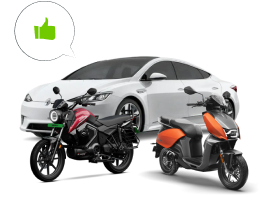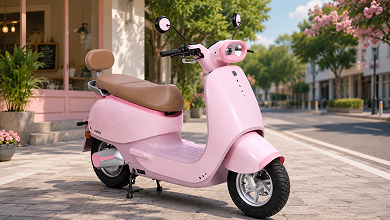
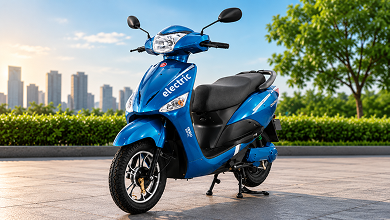
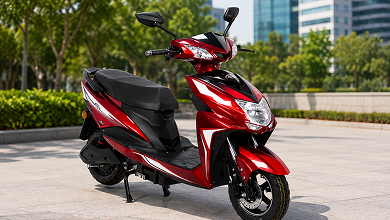
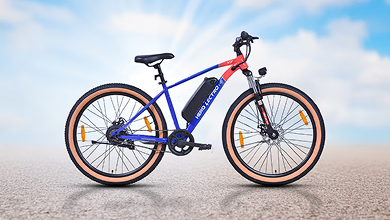
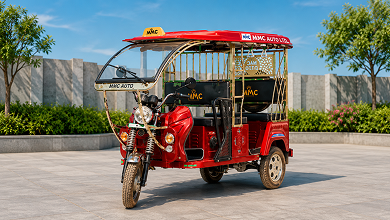
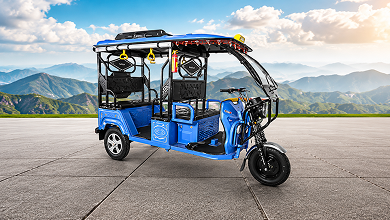
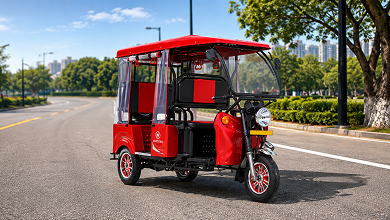
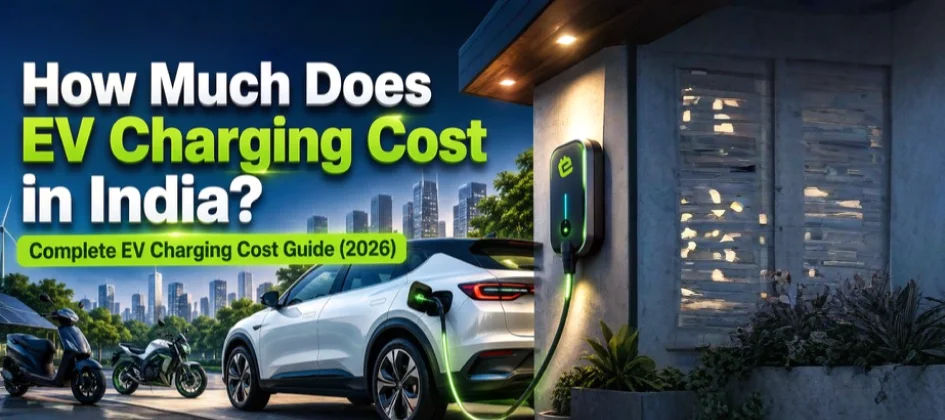
Including battery size, electricity tariffs, charging location, and vehicle type. Whether you're planning to buy an electric car, scooter, or bike, understanding charging costs can help you accurately estimate your monthly expenses and long-term savings.
In this guide, we'll break down EV charging costs in India and compare them with traditional petrol and diesel vehicles in 2026.
In India, charging an EV at home typically costs between INR 6 and INR 10 per kWh, while public charging stations range from INR 8 to INR 25 per kWh depending on the charger type.
For most EV owners:
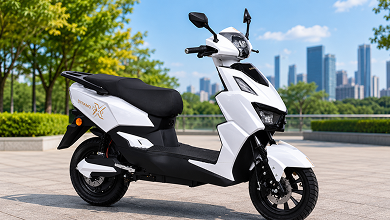
Electric scooters: INR 15–40 per full charge
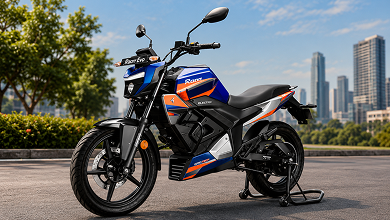
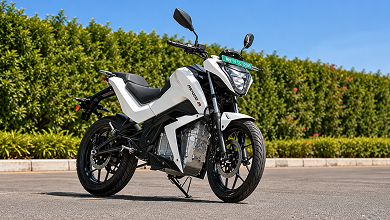
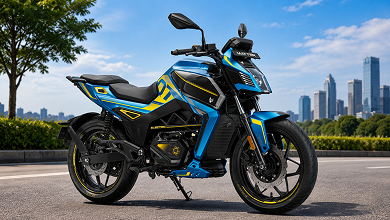
Electric bikes: INR 20–50 per full charge
Electric cars: INR 250–500 per full charge
This translates to approximately INR 0.25–1.50 per kilometer, making EVs significantly cheaper to run than petrol vehicles.
Calculating your EV charging cost is incredibly simple. It requires a straightforward formula:
Charging Cost = Battery Capacity (kWh) X Electricity Rate (INR/kWh)
Example: If you own an electric car with a 40 kWh battery pack and your residential electricity rate is INR 8 per kWh, your total cost for a 0 to 100% top-up is the following:
40 X 8 = INR 320
Most EV owners prefer to charge their vehicles overnight at home because it is the cheapest, safest, and most convenient option.
Actual rates vary depending on your specific city, local electricity providers, and consumption slabs.
| State | Approximate Cost per kWh |
| Gujarat | INR 6–8 |
| Maharashtra | INR 8–10 |
| Karnataka | INR 7–9 |
| Delhi | INR 6–8 |
| Tamil Nadu | INR 6–9 |
Public charging stations provide rapid power delivery but charge a premium rate over domestic electricity tariffs to account for commercial infrastructure, demand charges, and service margins.
| Charging Type | Approximate Cost | Best Used For |
| Home Charging | INR 6–10 / kWh | Daily overnight top-ups |
| Public AC Charging | INR 8–15 / kWh | Office parking, mall visits |
| DC Fast Charging | INR 15–25 / kWh | Highway trips, quick mid-day top-ups |
Let's take one of India's favorite family electric scooters as a benchmark.
Example Model: TVS iQube
Battery Capacity: ~3.4 kWh
Home Charging Cost: 3.4 X INR 8 = INR 27.20
Monthly Cost Estimation: Assuming you commute 1,000 km per month with an average real-world efficiency of 40 km per kWh, your monthly electricity bill bump will be roughly INR 200–300. That is less than the cost of a single tank of petrol for a traditional scooter!
Electric motorcycles pack slightly different gearing but remain exceptionally light on the wallet.
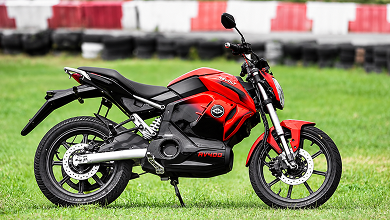
Example Model: Revolt RV400
Battery Capacity: ~3.24 kWh
Home Charging Cost: 3.24 X INR 8 = INR 25.92
Monthly Cost Estimation: For riders covering a standard 1,000 km monthly distance, expect your charging costs to sit firmly between INR 250–350, presenting massive savings over a 150cc commuter motorcycle.
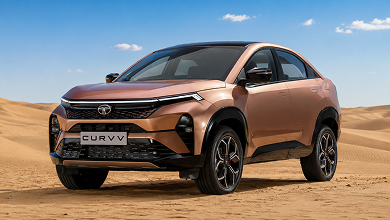
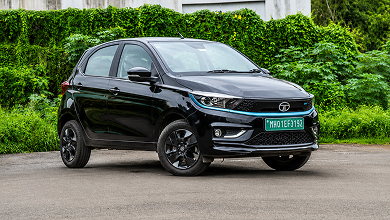
Electric SUVs and sedans carry much larger battery banks but still manage to drop your per-kilometer expenses drastically.
Example Model: Tata Punch EV (Long Range)
Battery Capacity: ~35 to 40 kWh
Home Charging Cost: 40 x INR 8 = INR 320
Cost Per Kilometer: Assuming a conservative real-world highway/city mixed range of 300 km on a full charge, your operational cost comes out to the following:
INR 320 \div 300 = INR 1.07 per km
Compare this directly to an equivalent petrol automatic car, which regularly drains INR 6–10 per km in heavy city gridlocks.
Home Charging
Cost: Significantly Lower
Convenience: Exceptionally High (Wake up with a full charge)
Speed: Slower (Overnight AC charging)
Best For: Everyday routine mobility
Cost: Higher (Commercial rates + service fee)
Convenience: Moderate (Requires navigating to a station)
Speed: Much Faster (High-output DC infrastructure)
Best For: Inter-city road trips and emergency top-ups
When compared side-by-side, the stark difference in per-kilometer operational dynamics makes electric vehicles highly compelling over thousands of kilometers.
| Vehicle Type | EV Running Cost (per km) | Petrol Running Cost (per km) |
| Scooter | INR 0.25–0.50 | INR 2.00–3.00 |
| Bike | INR 0.30–0.60 | INR 2.00–4.00 |
| Car | INR 0.80–1.50 | INR 6.00–10.00 |
Let's map out a real-world annual savings case study based on standard Indian driving conditions.
Daily Commute: 40 km / day
Monthly Distance: 1,200 km
Annual Distance: 14,400 km
Petrol Car Expenses: 14,400 km x INR 8 = INR 115,200
Electric Car Expenses: 14,400 km x INR 1.2 = INR 17,280
Net Annual Savings = INR 115,200 -- INR 17,280 = INR 97,920
By driving an electric car under this standard commute pattern, you save nearly INR 98,000 every single year in fuel expenses alone. Over a standard five-year ownership cycle, that equates to INR 4.9 lakhs back in your pocket.
Battery Size: Larger batteries require more units of electricity (kWh) to top up from scratch but give you proportional freedom from range anxiety.
Electricity Tariff: Moving into higher consumption slabs or commercial power sockets can change your base home unit cost.
Charging Location: Relying solely on commercial highway DC fast chargers will yield a higher monthly operational spend than home AC charging.
Driving Style: Mashing the throttle heavily and aggressive acceleration curves degrade your vehicle's watt-hour efficiency, meaning more frequent trips to the plug.
Weather Conditions: Extreme summer heat or peak winter cold can impact thermal battery management systems, slightly increasing charging times or auxiliary power draw.
Yes, absolutely. EVs typically lower your running costs by 70% to 90% per kilometer compared directly to internal combustion engines.
Most standard-sized electric cars in India cost between INR 250 and INR 500 for a complete 0–100% home charge.
Most electric scooters cost a minimal INR 15 to INR 40 per full charge, depending on your state's tariff.
Yes. Home charging utilizes domestic electricity brackets, which are significantly more economical than public commercial charging networks.
At eVehicals, we cut through the brochure specifications to evaluate clean mobility based on true real-world utility, clear infrastructure costs, exact battery capabilities, and local state metrics. Our goal is to empower Indian car and bike buyers with highly accurate, transparent data to simplify your electric transition.
Charging an electric vehicle in India is significantly cheaper than fueling a traditional petrol or diesel vehicle. Whether you own an electric scooter, bike, or car, moving your fueling routine to a home plug can reduce your personal transportation footprint and expenses dramatically.
Electric scooters cost less than INR 1 per day to run.
Electric bikes operate seamlessly for just a few rupees per trip.
Electric cars save tens of thousands of rupees annually.
As local charging infrastructure continues to expand rapidly and domestic power grids remain accessible, EV ownership continues to stand as one of the smartest financial and environmental investments for Indian consumers.


Manage reminders, payment status, and renewal dates from one simple app.


Trusted by policyholders to track every renewal.