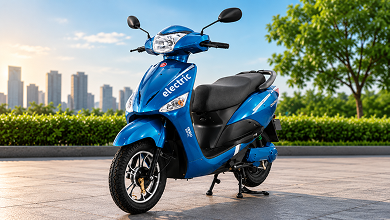
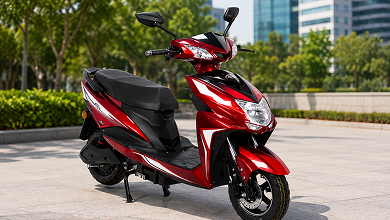
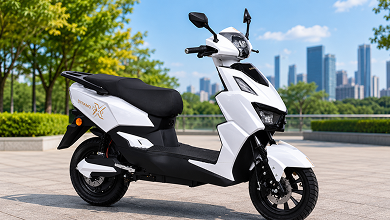
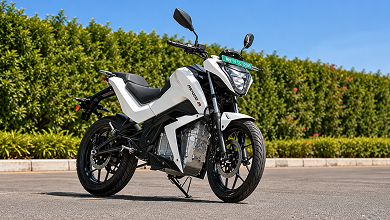
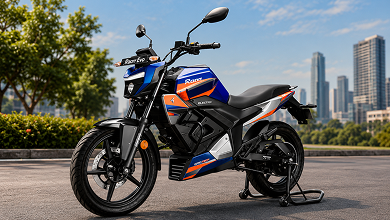
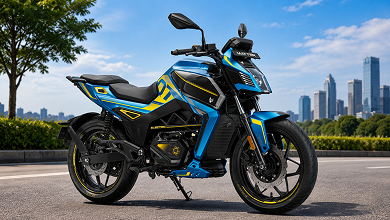

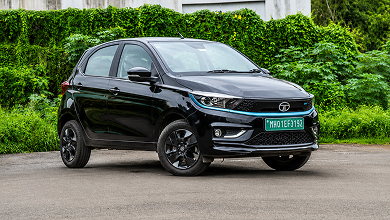
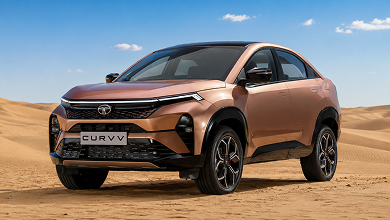
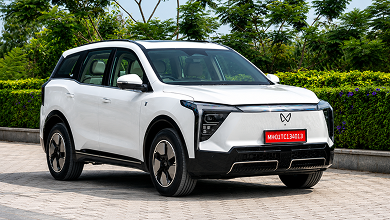
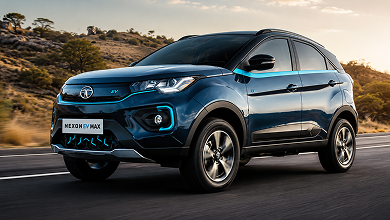
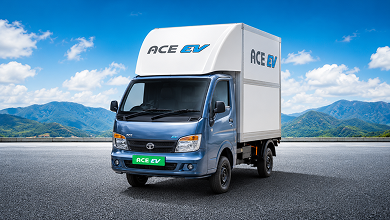
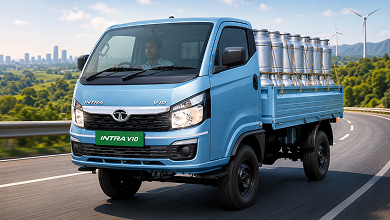
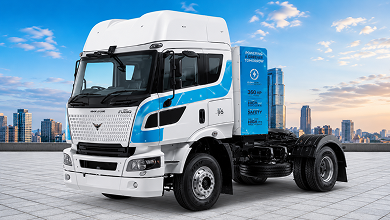
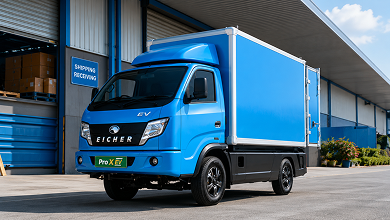
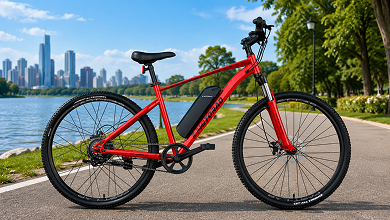




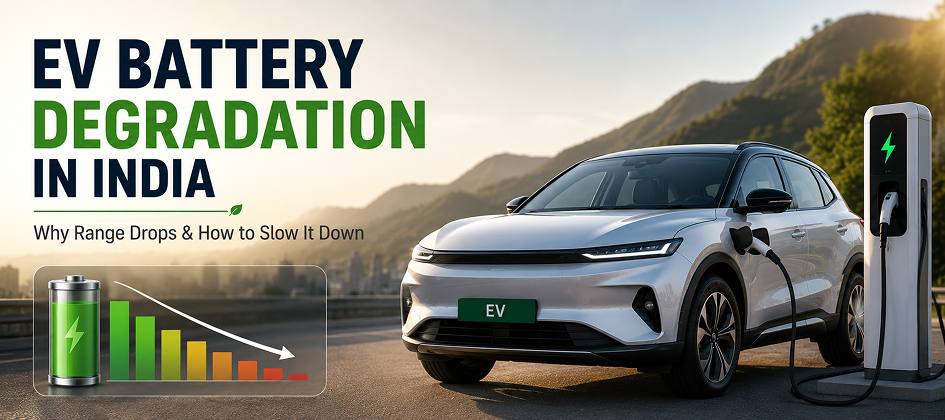
Electric vehicles across all segments, from daily commuting electric scooters like the Ather 450X, TVS iQube, and Ola S1 to popular electric cars like the Tata Nexon.ev, MG Windsor EV, and Hyundai Ioniq 5, rely on advanced lithium-ion battery packs. Over years of driving and charging, every lithium-ion battery undergoes EV battery degradation, which is the gradual, natural reduction in the maximum amount of energy the battery pack can hold.
When a battery’s usable capacity decreases, the maximum distance your vehicle can travel on a single full charge drops. However, a sudden decline in the driving range displayed on your dashboard does not always mean your battery has suffered permanent damage. Temporary environmental and driving factors frequently cause temporary range drops without affecting the actual health of your battery.
EV battery degradation is an inevitable chemical process influenced by a mix of factors, including battery age, charging habits, ambient operating temperatures, driving style, total mileage, battery chemistry, and how effectively the vehicle's Battery Management System (BMS) controls thermal levels. Understanding how these factors interact allows you to adopt smart charging and driving habits to minimise battery stress and maintain healthy range for years to come.
EV battery degradation refers to the permanent and gradual loss of a battery's total usable energy storage capacity over its operating lifespan.
To understand how degradation works in daily ownership, it helps to distinguish between a few core terms used in battery engineering:
Original Battery Capacity: The maximum electrical energy (measured in kilowatt-hours, kWh) that a brand-new battery pack can store when it leaves the factory.
Usable Capacity: The actual portion of total energy capacity accessible to drive the vehicle. Automators intentionally lock out a small percentage of capacity at the top and bottom of the pack as a protective "buffer".
State of Charge (SoC): The current fuel level of your battery, expressed as a percentage from 0% to 100%. SoC tells you how much energy is available right now for your current trip.
State of Health (SoH): The overall condition of your battery compared to when it was brand new, expressed as a percentage. A new EV starts at 100% SoH. If a 40 kWh battery pack degrades over several years and can now only store 36 kWh of usable energy, its state of health is 90%.
Driving Range: The estimated distance (in kilometres) your EV can travel on its remaining charge.
It is common for new owners to confuse SoC and SoH. Charging your vehicle to 100% state of charge simply fills the current available storage space; it does not reset or alter the battery's underlying state of health. If your battery's SoH has declined to 85%, charging to 100% SoC means filling 100% of that remaining 85% usable capacity.
Lithium-ion batteries generate power by moving lithium ions between the anode (negative electrode) and cathode (positive electrode) through an electrolyte medium. Over time, repeated electrochemical reactions lead to mechanical stress, micro-cracking of electrode materials, chemical side reactions, and the formation of a solid electrolyte interphase (SEI) layer. These microscopic changes gradually reduce the number of active lithium ions available to store and move energy.
Several distinct operating and environmental factors accelerate this chemical wear:
Even if an electric vehicle is parked in a garage and driven infrequently, its battery ages naturally over time. Known as calendar ageing, this passive degradation occurs regardless of vehicle mileage and is driven primarily by time, ambient storage temperatures, and the average state of charge at which the vehicle sits while idle.
Every time an EV uses stored energy while driving and replenishes it via charging, the battery completes part of a charge cycle. One full cycle equals using 100% of the battery's capacity (for instance, driving from 100% down to 50%, charging to 100%, and driving down to 50% again equals one full cycle). Repeated expansion and contraction of the battery's internal materials during these charge-discharge cycles lead to minor structural degradation over thousands of operational hours.
Elevated temperatures accelerate unwanted chemical side reactions inside lithium-ion cells. Heat increases the rate at which internal components decompose, thickening the SEI layer and causing internal resistance to rise. Sustained exposure to excessive heat—whether from aggressive driving, hot weather, or high-power fast charging—increases thermal stress on the pack.
Allowing a battery to drop to extremely low levels (near 0% SoC) places mechanical and chemical strain on the anode. If left at 0% for extended periods, internal cell voltages can drop below safe thresholds, potentially causing copper dissolution or permanently impairing cell stability.
Storing an EV at 100% charge for days or weeks at a time creates high electrochemical potential inside the cells. This high-voltage state subjects cell components to elevated stress, which can accelerate calendar degradation over time. While charging to 100% right before a long journey is completely normal, leaving a vehicle continuously parked at 100% in warm weather is not ideal.
High-power DC fast chargers deliver significant electrical current to the battery in a short window. This process generates internal heat and creates localised physical stress across the electrodes. Modern EVs rely on active cooling systems and dynamic BMS software algorithms to ramp down charging power as the pack heats up or fills past 80%, successfully mitigating much of this strain. However, relying exclusively on high-power DC fast charging for all charging needs introduces slightly more cumulative thermal and electrical wear than routine low-power AC charging.
Aggressive driving habits and heavy operational loads force the battery pack to discharge high continuous currents:
Sustained high-speed highway cruising
Carrying heavy commercial payloads or maximum passenger capacity
Hard, repeated acceleration pedal inputs
Driving up steep mountain inclines
Frequent stop-and-go driving in dense traffic
While these conditions primarily increase energy consumption (reducing range for that specific trip), continuous high-current discharge also raises internal pack temperatures, adding incremental thermal stress if active cooling is not present or operating at full capacity.
Operating an EV in India means managing distinct environmental realities. Summer ambient temperatures in many regions routinely exceed 40°C to 45°C. When a vehicle is parked directly under intense sunlight on tarmac, ambient air temperatures under the hood and floorboards can rise significantly higher.
Excessive environmental heat influences battery health in several ways:
Elevated Ambient Parking: Parking in direct summer heat keeps the battery pack warm even when idle, accelerating calendar degradation.
Thermal Management Demands: Active cooling loops must run harder and draw auxiliary energy to maintain safe cell temperatures during both driving and fast charging.
Charging in High Heat: Plugged-in fast charging during the hottest part of a summer afternoon places dual thermal stress on the cells heat from high current combined with ambient atmospheric heat.
Crucially, Indian heat will not automatically destroy a modern EV battery. Contemporary electric cars, light commercial vans, and high-performance electric two-wheelers are designed with advanced liquid-cooling thermal management systems and intelligent BMS software specifically calibrated for tropical climates.
Vehicles equipped with active liquid cooling dynamically pump coolant through heat-exchanger plates surrounding the cell modules, effectively isolating the battery from extreme outside heat. Air-cooled EVs (such as budget e-rickshaws, basic delivery scooters, or entry-level commuter bikes) rely more heavily on ambient air flow, making sensible shade parking and moderate charging habits even more helpful for long-term health.
If you notice that your EV displays fewer available kilometres on a full charge than it did when new, it is vital to distinguish between two completely different phenomena: permanent battery degradation and temporary range reduction.
Battery Ageing
Electrode Wear
SEI Layer Growth
Lost Usable Capacity
Extreme Heat & AC Usage
Heavy Payload & Extra Weight
High Highway Speeds
Traffic & Mountainous Terrain
Battery Degradation (Permanent Loss): A physical reduction in the battery's total usable energy storage capacity resulting from ageing and internal electrochemical wear. This loss accumulates gradually over years and cannot be restored through software updates or driving habits.
Temporary Range Reduction (Operational Loss): A temporary decline in estimated distance caused by environmental conditions, cabin climate control, or vehicle usage patterns. The underlying health of the battery remains completely intact, and full range returns when operating conditions normalise.
Common causes of temporary range drops include:
Air-Conditioning Load: Running cabin AC at max cooling on hot summer days draws power directly from the main traction battery, lowering instantaneous efficiency.
High Highway Speeds: Wind resistance increases exponentially with speed. Driving an EV at 100 km/h consumes substantially more energy per kilometre than driving at 65 km/h.
Payload & Passengers: Carrying full cargo or multiple passengers requires more mechanical energy to accelerate and climb gradients.
Low Tyre Pressure: Under-inflated tyres increase rolling resistance against the road surface, increasing energy consumption per kilometre.
Heavy Traffic & Sudden Braking: Frequent aggressive acceleration followed by sudden mechanical braking (instead of smooth regenerative braking) wastes kinetic energy.
To help you diagnose changes in your vehicle's performance accurately, use this simple comparison:
| Factor | Battery Degradation | Temporary Range Reduction |
| Primary Cause | Internal electrochemical ageing & cell wear | Driving conditions, environment, & auxiliary power draw |
| Is It Permanent? | Yes, loss of total storage capacity is permanent | No, distance potential restores under normal conditions |
| Affects Total Capacity? | Yes, usable kWh capacity drops | No, total energy storage capacity remains unchanged |
| Real-World Example | The battery holds 36 kWh instead of original 40 kWh | Heavy AC use in 42°C heat reducing trip range by 15% |
| Can Range Recover? | No | Yes, by turning off AC, slowing down, or inflating tyres |
Key Takeaway: Never diagnose long-term battery degradation from a single low-range readout on your dashboard display after a high-speed highway run or a hot afternoon commute with heavy AC usage. Dashboard estimations adjust dynamically based on recent energy consumption.
There is no single universal degradation percentage that applies to every electric vehicle in India. Real-world capacity retention varies depending on battery chemistry, thermal management design, vehicle segment, driving climate, mileage, and user charging behaviour.
Large-scale global EV fleet telematics studies provide realistic benchmarks for modern electric vehicles:
Average Degradation Rate: Comprehensive telematics research covering tens of thousands of real-world electric vehicles indicates an average degradation rate of approximately 1.5% to 2.3% per year under typical operating conditions.
Long-Term Retained Health: Under normal ownership patterns, a modern liquid-cooled electric vehicle typically retains 80% to 85% of its original battery capacity even after 7 to 8 years of service.
Initial Settling Period: Lithium-ion batteries often undergo a minor initial capacity settling drop of 2% to 4% during their first year of operation as the internal cell chemistry stabilises, after which the rate of capacity loss flattens out into a linear trajectory.
Because degradation is gradual and non-linear, a well-maintained EV battery pack is engineered to outlast the typical first-owner operational period of the vehicle itself.
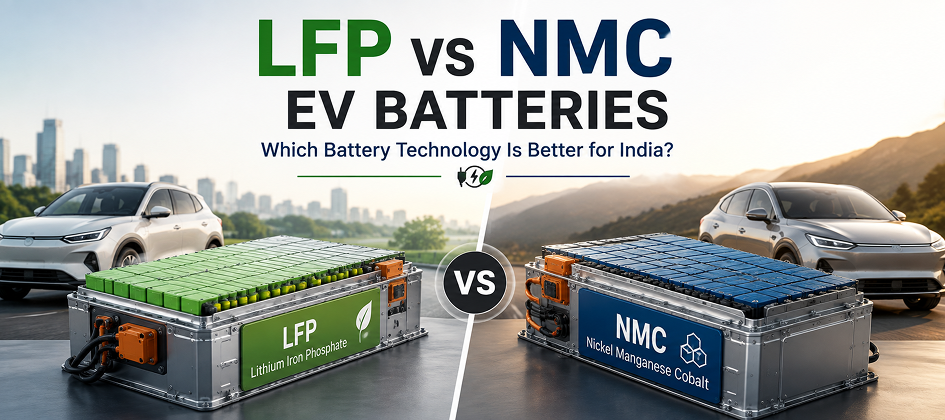
The two dominant lithium-ion chemistries used across Indian electric vehicles are lithium iron phosphate (LFP) and nickel manganese cobalt (NMC). Each chemistry exhibits distinct degradation profiles, cycle lifespans, and thermal properties.
Cycle Life & Durability: Exceptionally durable, often rating for 2,000 to over 3,000+ full charge-discharge cycles before reaching 80% SoH.
Thermal Stability: Outstanding structural and thermal tolerance; highly resistant to thermal runaway even at high operating temperatures.
Energy Density: Moderate energy density, resulting in a heavier pack weight for a given kWh storage size.
Indian Market Applications: Widely used in high-volume passenger EVs like the Tata Nexon EV and MG Windsor EV, as well as electric city buses, e-rickshaws, and commercial delivery vehicles.
Energy Density & Packaging: High energy density, storing more energy per kilogram and fitting higher kWh capacities into smaller physical footprints.
Cycle Life: Strong operational lifespan, typically rating for 1,000 to 2,000 full cycles under proper thermal care.
Thermal Management Requirements: Requires robust, active liquid cooling systems to maintain safe internal cell temperatures in hot climates.
Indian Market Applications: Commonly found in long-range premium electric SUVs (e.g., Hyundai Ioniq 5), high-performance electric motorcycles, and space-constrained vehicles.
While LFP chemistry inherently offers higher raw cycle life, a well-engineered NMC battery pack backed by active liquid cooling will deliver excellent durability over a vehicle's lifespan.
For a complete breakdown of performance, safety, and price differences between these technologies, read our guide on LFP vs NMC EV Batteries: Which Battery Technology Is Better for India?
The short answer is frequent high-power DC fast charging can generate additional thermal and electrical stress, but modern EVs use intelligent controls to prevent severe damage.
When connected to a high-output public DC fast charger (50 kW, 60 kW, or 120+ kW), forced high-current transfer generates heat deep within the battery cells. Fleet data indicates that vehicles relying almost exclusively on high-power DC fast chargers for daily energy replenishment show slightly higher annual degradation (around 2.5% to 3.0% per year) compared to vehicles primarily charged via slower AC chargers (around 1.5% per year).
AC Slow Charging (Home/Office: 3.3 kW - 7.2 kW): Low heat generation, gentle on cells, ideal daily choice.
DC Fast Charging (Public Stations: 30 kW - 120+ kW): Higher heat load, BMS throttles speed automatically, recommended for road trips.
Modern EVs protect themselves against fast-charging stress through several automated mechanisms:
Dynamic Charging Curves: The vehicle's BMS automatically scales down charging power as the battery fills up—typically dropping fast-charging speeds after reaching 80% SoC to protect the cells from over-voltage and thermal buildup.
Pre-Conditioning & Active Cooling: Liquid-cooling systems pump coolant continuously during DC fast-charging sessions to keep internal cell temperatures within safe operating limits.
Fast charging is an essential tool for long-distance highway travel and should be used whenever needed. However, relying on slow AC charging for daily overnight replenishment at home or work remains the gentlest habit for long-term battery health.
Charging an EV battery to 100% when you need maximum range for a long road trip is completely normal and will not instantly ruin your pack. However, how you manage full charges depends on your vehicle's underlying battery chemistry and manufacturer recommendations:
Manufacturer Instructions Differently: Automakers calibrate their battery management systems differently. Always prioritise your specific owner manual instructions above generic rules.
Routine vs. Occasional Full Charging: For routine daily commuting, many manufacturers recommending NMC batteries suggest setting daily charge limits to 80% or 90%. Leaving an NMC battery sitting at 100% SoC in warm conditions for long periods creates high electrochemical stress.
LFP Charging Requirements: Conversely, LFP batteries have a very flat voltage curve, making it difficult for the BMS to accurately calculate state of charge without periodic full charges. Automakers often recommend charging LFP-equipped EVs to 100% regularly to keep range estimations calibrated.
Buffer Safety Net: Car manufacturers build physical engineering buffers into battery packs. When your dashboard displays "100%", the physical cells are usually charged to a slightly lower real capacity to prevent overcharge damage.
If you charge to 100% before a weekend highway trip, set your charging timer so the vehicle finishes charging right around the time you plan to depart, preventing the battery from sitting at maximum voltage for hours in hot weather.
While battery ageing is a natural process, adopting simple, effective care habits can significantly slow down unnecessary wear.
Follow your vehicle manufacturer's charging guidance
Prefer slow AC home/office charging for daily commutes
Avoid leaving your EV at 0% or 100% for long periods
Park in shaded areas or covered parking during summer
Maintain correct tyre pressures to maximize efficiency
Drive smoothly: use regenerative braking over hard stops
Keep vehicle software updated for optimal BMS algorithms
Your EV's engineering team designed the BMS specifically for your model's cell chemistry and cooling setup. Always adhere to the recommended charging limits and service schedules specified in your owner manual.
Avoid letting your vehicle sit unused for multiple days at either 0% or 100% charge. If leaving your EV parked while away on vacation, leave the battery stored at a comfortable mid-range SoC (around 40% to 60%) in a covered area.
Whenever possible, park your electric car, scooter, or bike in shaded parking, under covered garages, or away from direct sunlight during summer months. Reducing ambient thermal stress while idle helps lower calendar ageing.
Utilise high-power DC fast chargers for highway journeys, inter-city road trips, or urgent charging needs. For daily routine replenishment, rely primarily on standard AC home or office chargers.
Maintaining manufacturer-recommended tyre pressures reduces rolling resistance, lowering the amount of energy the battery must discharge per kilometre and decreasing overall current draw.
Avoid frequent hard accelerations that draw high discharge currents. Drive smoothly and utilise your EV's regenerative braking modes, which efficiently recover kinetic energy during deceleration while reducing mechanical brake wear.
Automakers regularly deploy over-the-air (OTA) software updates or service centre firmware upgrades that optimise BMS algorithms, thermal control parameters, and battery safety monitoring.
Ensure your EV undergoes regular scheduled inspections. Maintenance checks verify that cooling fluid levels are topped up, thermal pumps are operating correctly, and electrical connections remain clean.
Request a diagnostic battery health check during routine dealership service visits to track your vehicle's capacity retention accurately over time.
Managing EV charging in Indian conditions comes down to creating a balanced routine based on your daily usage:
Daily City Commuting: Plug in your EV at home or work using an AC slow charger (3.3 kW or 7.2 kW). For daily driving needs, charging overnight or during office hours provides gentle, heat-free power replenishment.
Long Highway Trips: Plan your route around public DC fast-charging networks. Take advantage of fast charging up to 80% SoC, then resume your trip. Charging speed naturally slows above 80%, so continuing your drive saves time while protecting the pack from unnecessary heat buildup.
Home AC Charging: Install your home wallbox charger in a sheltered, well-ventilated location protected from direct rain and heat.
Hot Weather Charging: During extreme summer heat, schedule AC charging for cooler overnight hours rather than mid-afternoon. If fast charging during a hot trip, park in shaded station bays where available to help the active cooling system keep temperatures manageable.
Relying solely on the estimated distance displayed on your instrument cluster is not an accurate way to evaluate true battery health. To check your battery's state of health accurately, use these methods:
Dashboard Health Menus: Many modern electric cars and smart electric scooters (such as Ather Energy models) feature dedicated battery health menus within their digital displays or smartphone companion apps.
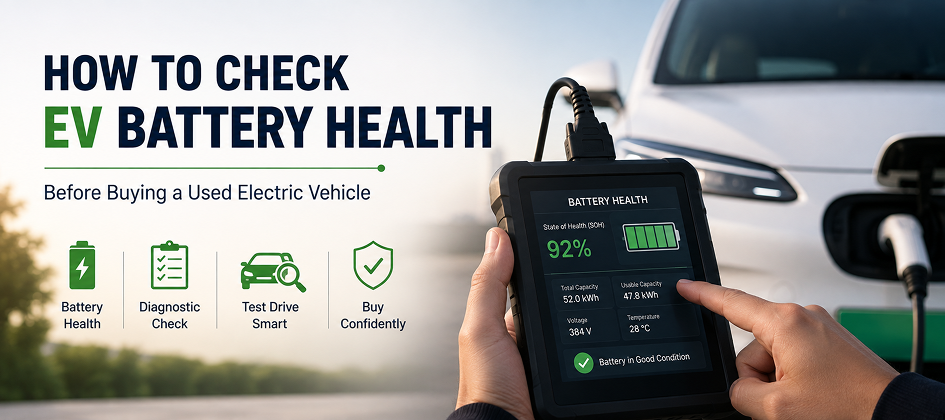
Dealership Diagnostic Reports: During routine annual servicing, service centres connect specialised diagnostic tools to the vehicle's OBD-II port to pull real-time BMS data, cell voltage balance readings, and an official State of Health (SoH) percentage report.
Third-Party OBD Readers & Apps: Enthusiasts can use compatible Bluetooth OBD-II scanners alongside specialised EV telemetry apps to read live cell parameters, internal pack temperatures, and cumulative fast-charging stats.
Real-World Range Tests: Conduct a controlled energy consumption test: charge to 100%, record the trip meter distance and energy consumption rate (Wh/km or kWh/100km) down to a lower state of charge, and calculate total usable energy output.
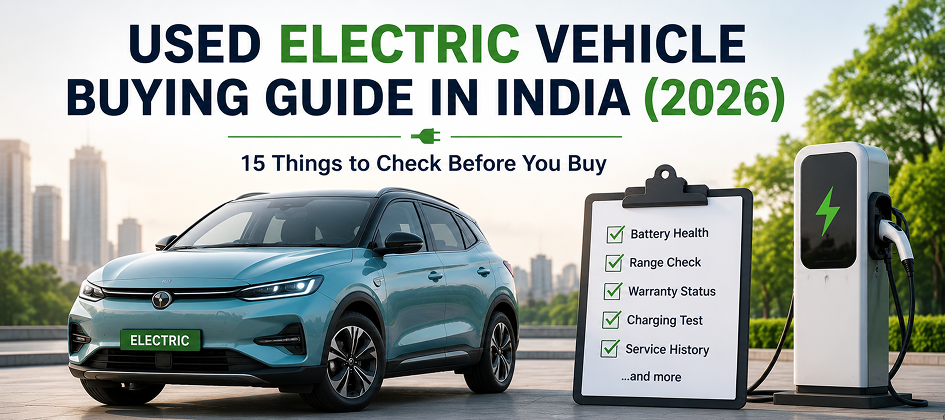
If you are shopping for a pre-owned electric car or scooter, obtaining a verified battery health diagnostic report is one of the most vital steps in the buying process. For a complete walkthrough, read our guides on How to Check EV Battery Health Before Buying a Used Electric Vehicle and Used Electric Vehicle Buying Guide in India (2026): 15 Things to Check Before You Buy.
While modern battery packs are built to high safety and durability standards, certain operational warning signs indicate that your battery or its auxiliary cooling systems require professional diagnostic inspection:
Persistent, Unexplained Range Loss: A sudden, drastic reduction in real-world range that remains constant regardless of weather, driving style, or AC usage.
Repeated Charging Interruptions: The vehicle repeatedly cuts off AC or DC charging sessions prematurely or displays charging fault errors.
Dashboard Battery Warning Indicators: Warning lights or pop-up messages indicating high battery temperature, BMS malfunction, or electrical system faults.
Unusual Power Truncation: The vehicle frequently enters a reduced power or "limp mode" during normal driving conditions when the battery is not empty.
Significant Cell Voltage Imbalance: Diagnostic scans show severe voltage variances between individual cell modules inside the pack.
Note: These warning signs do not automatically mean your entire battery pack requires replacement. Issues are frequently caused by minor sensor faults, software glitches, broken coolant pumps, or individual faulty modules that can be serviced or replaced independently.
Yes, severe battery degradation can theoretically increase your operational expenses slightly over time, but the financial impact is minimal compared to the savings of driving electric over petrol or diesel vehicles.
As a battery's usable capacity declines, its total range per charge decreases. Consequently, you must plug in more frequently to cover the same annual distance:
$$\text{Charging Frequency} = \frac{\text {Total Annual Travel Distance}} {\text{Usable Battery Range}} $$
However, gradual capacity degradation does not drastically alter the fundamental energy conversion efficiency (Wh/km) of the electric motor itself. Driving 100 km in an electric car requires roughly the same amount of electricity regardless of whether the battery is 1 year old or 7 years old. The cost per kilometre remains exceptionally low compared to internal combustion engines.
To calculate your exact fuel savings and per-kilometre operational breakdown, explore our detailed analysis of Electric Vehicle Cost Per Kilometre in India (2026) and our comprehensive guide on EV Total Cost of Ownership in India (2026).
Battery condition is one of the primary factors influencing used EV valuations in the secondary market. Buyers evaluating a pre-owned electric vehicle look closely at battery health because the traction pack represents the vehicle's most valuable single component.
Here is how battery status impacts resale dynamics:
Verified SoH Certificates Boost Value: Used EVs accompanied by verified dealership SoH reports showing strong capacity retention (e.g., 85%+ after 4 years) command higher market confidence and better resale prices.
Active Warranty Transferability: Most automakers in India offer long battery warranties—typically 8 years or 1,600,000 km for electric cars and 3 to 5 years for electric scooters. An EV backed by remaining transferable factory battery warranty protection retains strong market demand.
Buyer Confidence: Transparent service records proving proper thermal maintenance and timely software updates assure second-hand buyers that the pack was well cared for.
To understand how electric cars, bikes, and commercial vehicles depreciate over time, read our guide on Electric Vehicle Depreciation in India (2026): Resale Value After 3–5 Years Explained.
A minor drop in usable range does not mean an EV battery needs to be replaced. Automotive battery standards generally consider a pack to reach the end of its primary automotive service life when its state of health drops below 70% to 75% of its original capacity.
Even at 70% SoH, the battery continues to function safely; it simply offers less driving range per full charge. Many owners continue driving vehicles with degraded batteries for daily short-distance city errands for years.
100% - 80% SoH (Optimal Performance Period): Excellent range, minimal degradation, and peak power output.
80% - 70% SoH (Normal Aged Operation): Fully functional for daily city driving; reduced total range.
Below 70% SoH (Assessment & Options):
Claim Factory Warranty (if within coverage terms)
Module/Cell-Level Repair at Service Centre
Full Pack Replacement or Second-Life Solar Storage Reuse
When an EV battery does require attention, replacement is governed by several pathways:
Warranty Claims: If capacity drops below the manufacturer's guaranteed threshold (commonly 70% SoH) within the specified warranty period and mileage limit, the replacement or repair is covered under factory warranty. For complete terms, read our breakdown on EV Battery Warranty Explained.
Module-Level Repair: Modern EV battery packs are built using modular arrays. Authorised service centres can often isolate and replace a single faulty module or sensor harness rather than replacing the entire pack, drastically reducing repair costs.
Full Pack Replacement: Out-of-warranty full pack replacement is reserved for severely aged or physically damaged packs. For an itemised breakdown of costs across cars, scooters, and commercial EVs, read our guide on Electric Vehicle Battery Replacement Cost in India.
Because usage profiles vary across vehicle segments, battery care strategies differ depending on the type of EV you operate:
Usage Profile: Mix of daily urban commuting and periodic high-speed highway travel.
Key Factors: Equipped with complex BMS software and active liquid cooling systems.
Care Strategy: Rely on slow AC charging at home for daily commuting, reserve DC fast charging for highway travel, and keep software updated.
Usage Profile: Short to medium urban commutes with frequent stop-and-go acceleration.
Key Factors: Many two-wheelers use air-cooled battery packs or removable swappable batteries.
Care Strategy: Avoid charging immediately after a hard ride when the pack is hot. Let the battery cool down for 20–30 minutes before plugging into the charger. Park under shade to avoid direct midday sun.
Usage Profile: Intensive daily commercial operations running 100 to 180 km with passenger loads.
Key Factors: Subject to high daily cycle counts; often rely on LFP chemistry or swappable battery networks for continuous uptime.
Care Strategy: Perform regular visual inspections of terminal connections, maintain proper tyre inflation, avoid running batteries down to absolute zero mid-shift, and utilise shaded charging bays during afternoon breaks.
Usage Profile: Heavy commercial last-mile delivery and regional logistics with high payload weight.
Key Factors: High continuous power draw and cumulative annual mileage.
Care Strategy: Enforce fleet charging schedules that prioritise overnight AC charging, monitor battery health diagnostics during scheduled fleet servicing, and ensure cooling systems are cleaned regularly.
To maintain your electric vehicle across all major systems, consult our comprehensive Electric Vehicle Maintenance Checklist: Everything You Need to Know.
Use this practical maintenance checklist to stay on top of your EV's overall battery health:
| Check | How Often | Why It Matters |
| Dashboard Warning Messages | Regularly / Daily | Detects BMS fault codes or thermal warnings early. |
| Charging Behavior & Speed | Regularly | Helps identify unusual drops in charging performance. |
| Tyre Inflation Pressure | Every 2 weeks | Prevents excess rolling resistance and energy waste. |
| Coolant & Thermal Inspection | As per service schedule | Ensures active liquid cooling operates efficiently in heat. |
| Professional BMS Diagnostics | Annual service visit | Provides an accurate State of Health (SoH) evaluation. |
| OTA Software Updates | As released | Installs updated thermal and battery control algorithms. |
| Factory Warranty Status | Periodically | Keeps you informed of remaining warranty time and km limits. |
EV battery degradation is a natural, gradual process governed by a combination of key factors:
$$\text{Battery Degradation} = f(\text{Age}, \text{Temperature}, \text{Charging Habits}, \text{Usage}, \text{Chemistry}, \text{BMS Management}) $$
For Indian EV owners and prospective buyers, the key takeaway is simple: you do not need to constantly worry about battery degradation. Modern electric vehicles sold in India are engineered with robust thermal management systems and protective battery software designed to handle warm climates and intensive daily driving.
By following your vehicle manufacturer's charging guidance, prioritising slow AC home charging for routine commuting, parking in the shade during hot summer days, and driving smoothly, you can keep battery wear to a minimum. If you ever notice a persistent, unexpected drop in range, visit an authorised service centre for an official diagnostic state of health scan rather than relying solely on your dashboard's temporary range display. With basic care, your EV battery will deliver reliable, efficient performance for years to come.

Manage reminders, payment status, and renewal dates from one simple app.


Trusted by policyholders to track every renewal.