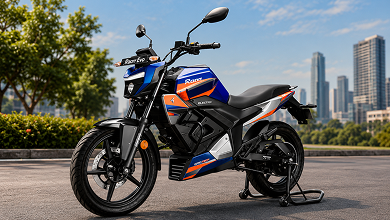
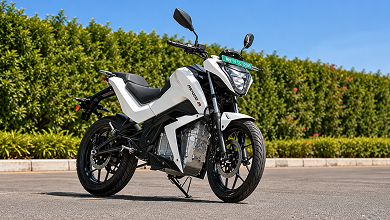
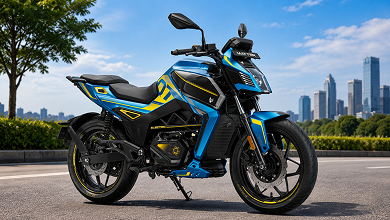

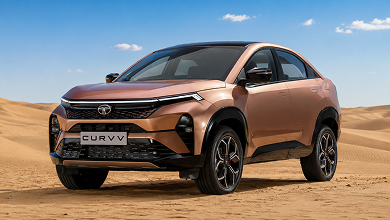
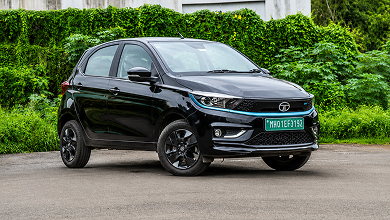
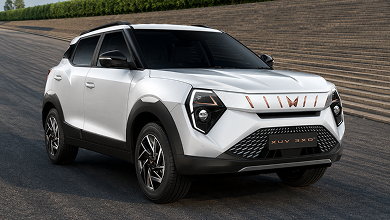
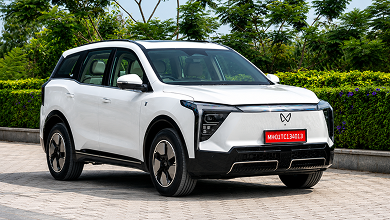
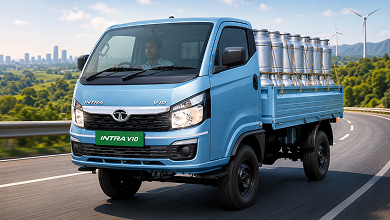
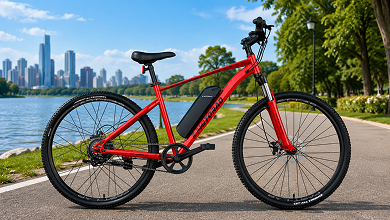
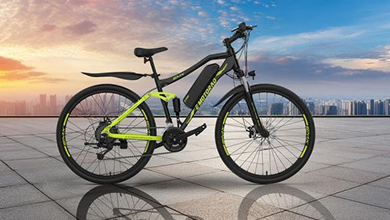
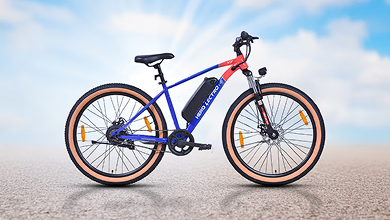

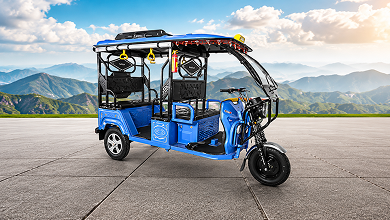
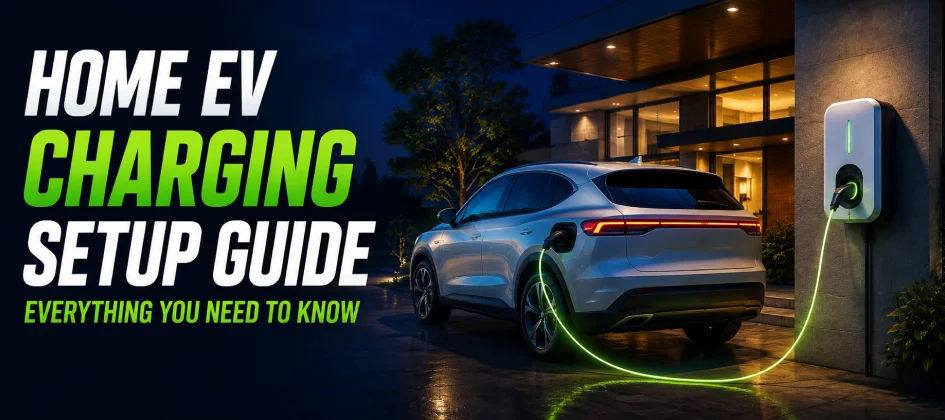
One of the biggest advantages of owning an electric vehicle (EV) is the ability to break free from traditional fueling stations and charge right at home. Instead of waiting at commercial hubs or public fast chargers, you can conveniently plug in your electric car, scooter, or bike overnight and start every day with a full battery.
However, first-time EV buyers frequently run into the same practical questions:
Do I need a special charger installed at home?
How much does a proper home EV charging setup cost in India?
Is it completely safe to charge a high-voltage vehicle in a residential garage?
How long does a full home top-up actually take?
In this comprehensive guide, we will break down everything you need to know about setting up a home EV charging station in India, including charger types, infrastructure prerequisites, exact costs, essential safety parameters, and daily maintenance practices.
A reliable residential EV charging setup requires three core components: a dedicated parking space, optimized electrical wiring with an independent safety circuit breaker, and either a standard portable travel charger or a wall-mounted AC wall box. For most Indian EV owners, home charging stands out as the most cost-effective, convenient, and battery-friendly method to power a vehicle.
Transitioning your primary vehicle fueling to a domestic plug offers substantial advantages over relying strictly on commercial public charging infrastructure:
Ultra-Low Costs: Utilizing domestic residential electricity slabs is significantly cheaper than paying commercial station service premiums.
Time Efficiency: You can charge seamlessly overnight while you sleep, eliminating waiting lines at public public hubs.
Preserved Battery Health: Regular, slow AC charging creates minimal thermal load, protecting the internal chemistry of your cells and maximizing your battery’s 10-to-15-year operational lifespan.
Complete Convenience: Unmatched ease of starting your daily commute with a predictable, fully topped-up range buffer.
Virtually all electric two-wheelers and passenger vehicles come bundled from the factory with a portable emergency charging cable. This unit plugs directly into a standard, heavy-duty 15A household socket.
Advantages: Zero additional hardware costs; completely plug-and-play; easy to carry in the boot of your vehicle.
Best For: All electric scooters, electric motorcycles, and electric cars with low daily mileage requirements.
A wall box is a permanent, weatherproof station mounted directly onto your garage or parking pillar. It taps directly into your main electrical distribution board via heavy-gauge wiring to deliver higher charging currents.
Advantages: Significantly faster charging speeds; built-in surge protection; vastly superior outdoor durability; integrated smart app controls (on premium models).
Best For: All electric passenger cars, multi-EV households, and commuters managing long daily driving distances.
Before mounting a new charger or drawing high currents continuously for 8 hours, ensure your building’s electrical infrastructure meets these foundational standards:
Dedicated Parking Bay: Access to a secure personal garage, stilt parking spot, or allotted apartment layout.
Verified Earthing Line: Proper, heavy-duty physical earthing is mandatory. Modern EV chargers will actively refuse to supply power to the vehicle if they detect a weak or missing ground connection.
Independent Circuit Breaker: The line must be governed by its own high-quality Miniature Circuit Breaker (MCB) or Residual Current Circuit Breaker (RCCB) to instantly isolate the vehicle in the event of an external grid power surge.
Dedicated Wiring: Heavy-gauge, high-quality copper wiring (typically a minimum of 2.5 mm to 4 mm or higher depending on the Wall Box kW output) running continuously from your primary meter to the socket point without structural joints.
Step 1: Match Your Powertrain Needs: Identify your vehicle’s acceptance rate and charging port layout (e.g., standard 15A point, Type 2 AC connector) to source a fully compatible charger.
Step 2: Execute a Professional Load Audit: Have a certified technician evaluate your home’s existing sanctioned electrical load limit to ensure charging your car won't cause your home’s main breaker to trip under peak domestic use.
Step 3: Mounting and Wiring: Securely mount the wall box or industrial socket away from direct rainwater pathways and run the insulated, dedicated line back to your main distribution panel.
Step 4: Safety & Loop Testing: Conduct diagnostic voltage tests to verify solid grounding, clean circuit loop integrity, and optimal thermal levels under active load before regular use.
Your total upfront layout depends largely on the length of wire required to connect your parking bay back to your primary electricity meter box:
| Infrastructure Component | Estimated Pricing Bracket |
| Portable Travel Charger | Included free with your vehicle purchase |
| Wall-Mounted AC Charger (Wall Box) | INR 20,000 – INR 60,000 (Often bundled free with select cars) |
| Professional Labor & Installation | INR 2,000 – INR 15,000 |
| Heavy-Gauge Armored Cable & Conduit | Varies based on exact distance from meter to parking slot |
Your typical charge duration depends directly on the total battery pack size (kWh) and the output capability of your residential electrical connection:
Electric Scooters (e.g., TVS iQube, Ather Rizta): ~3 to 5 Hours
Electric Motorcycles (e.g., Revolt RV400): ~3 to 6 Hours
Electric Cars (e.g., Tata Nexon/Punch EV via AC Wall Box): ~6 to 10 Hours
Never Use Basic Extension Boards: Avoid plugging your high-draw vehicle charger into generic household extension strips or multi-plug adapters. This can cause severe resistance spikes and wire melting.
Regular Cable Inspections: Periodically check your charging gun handle, pins, and cables for any physical cuts, exposed internal insulation, or loose socket fits.
Keep Equipment Dry and Shielded: While most wall boxes carry robust IP dust and water-resistance ratings, always protect your charge gun interface and electrical socket from direct exposure to heavy monsoons or water stagnation.
Ensure Clean Earthing Baselines: Have an electrician re-test your home ground pit parameters annually to verify optimal grounding integrity.
Yes. Most electric scooters, electric motorcycles, and many electric cars can be topped up cleanly via standard 15A household sockets using the manufacturer-provided portable smart cable.
For two-wheelers, your standard residential domestic load is perfectly adequate. For passenger electric vehicles deploying 7.2 kW or higher AC wall box chargers, it is highly recommended to apply for an upgrade to a 3-phase connection with a higher sanctioned load from your local electricity distribution company.
Yes. Public fast-charging networks operate under commercial business tariffs and service add-ons, making them roughly 2 to 3 times more expensive per unit (kWh) than standard domestic home power.
At eVehicals, we cut past speculative brochures to deliver objective, field-tested guidance. Our residential setup frameworks are built in alignment with local Indian grid code compliance, verified electrical safety metrics, and real-world domestic ownership data. Our mission is to make transitioning to electric mobility safe, predictable, and simple.
Setting up a dedicated home EV charging point is arguably one of the smartest investments you can make as an electric vehicle owner. It unlocks the true convenience potential of clean mobility, offering ultra-low daily operating costs while serving as a protective shield for your battery pack's long-term health. By partnering with a qualified electrician and adhering to clean circuit safety foundations, you can secure a completely worry-free, seamless daily drive.


Manage reminders, payment status, and renewal dates from one simple app.


Trusted by policyholders to track every renewal.