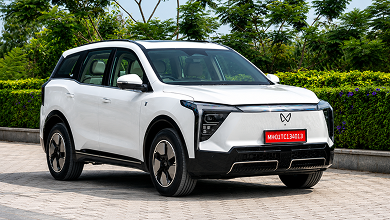
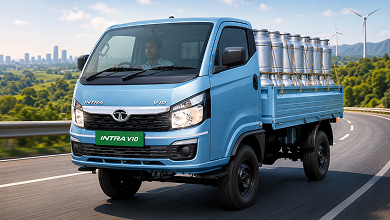
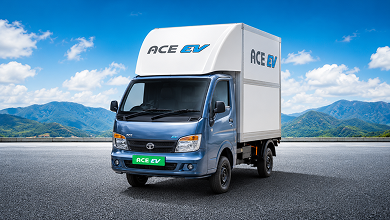
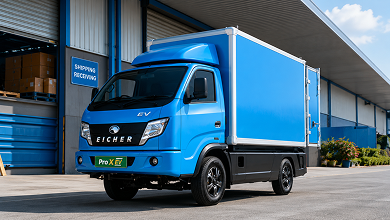
The commercial vehicle industry in India is undergoing a monumental transition toward electric mobility. Driven by volatile fuel prices, aggressive government green initiatives, zero-emission mandates in major metro zones, and significant reductions in total cost of ownership (TCO), commercial electric vehicles (EVs) have moved from a niche concept to an operational necessity.
Whether you operate a hyper-local retail delivery network, manage an e-commerce logistics fleet, or run regional heavy-duty freight operations, understanding the commercial EV landscape is vital to long-term profitability. This comprehensive guide covers vehicle categories, popular models, pricing, battery range, running costs, government policy benefits, and key criteria for selecting the best commercial EV for your business in 2026.
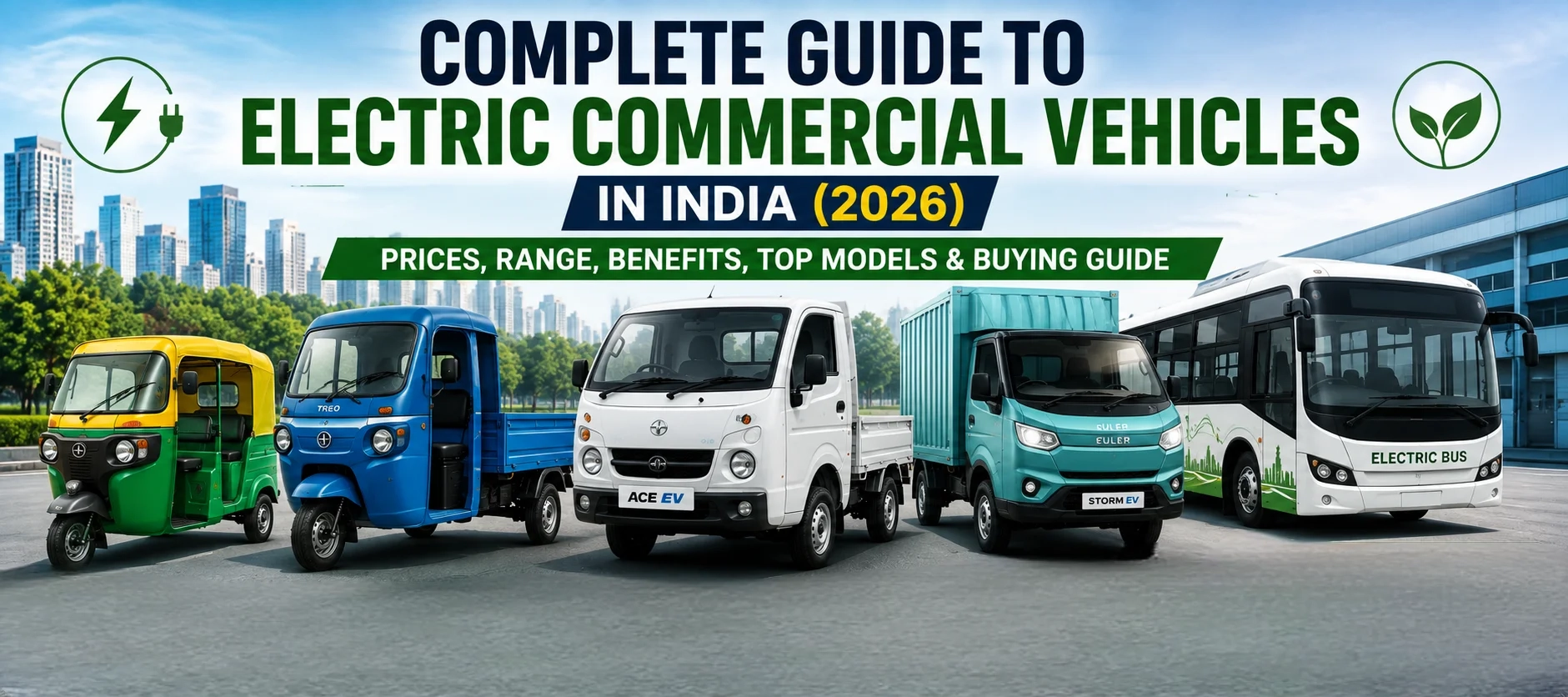
Urbanization, same-day delivery expectations, and stringent emission regulations have accelerated the adoption of electric commercial vehicles across India. Today, electric transport solutions span every tier of commercial transit:
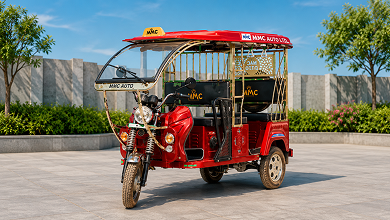
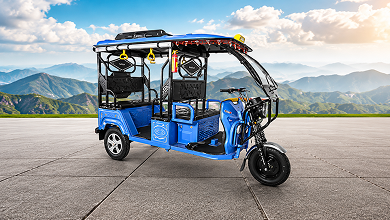
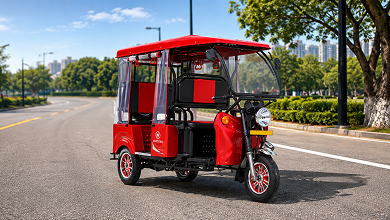
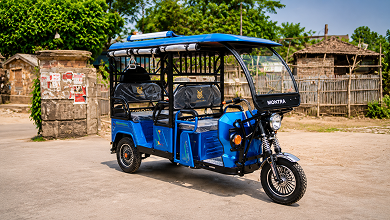
E-Rickshaws & Passenger 3-Wheelers: Powering affordable, zero-emission last-mile urban passenger transit.
Electric Cargo Three-Wheelers: Serving hyper-local delivery needs for grocery, FMCG, dairy, and parcel drops.
Electric Mini Trucks & Pickups (SCVs): Handling urban distribution, 3PL logistics, and warehouse-to-retail transport.
Electric Vans & Passenger Buses: Transforming public transport, employee shuttle fleets, and inter-city passenger transit.
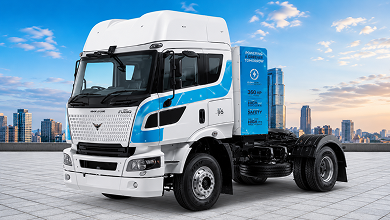
Medium & Heavy Electric Trucks (M&HCVs): Spearheading port-to-factory freight, mining operations, and regional industrial logistics.
Electric commercial vehicle prices in India vary based on payload rating, battery chemistry, motor output, and technological capabilities.
| Vehicle Category | Average Ex-Showroom Price Range | Typical Payload / Seating Capacity | Primary Business Use Cases |
| E-Rickshaws & Passenger 3Ws | INR 1.04 Lakh – INR 3.00 Lakh | 4 Passengers / 300–400 kg | Metro feeder routes, short passenger loops |
| Cargo 3-Wheelers (L5N) | INR 3.20 Lakh – INR 4.65 Lakh | 500 kg – 770 kg payload | Milk, bakery, grocery, hyper-local parcel drops |
| Electric Mini Trucks (SCVs) | INR 6.00 Lakh – INR 12.99 Lakh | 650 kg – 1,500 kg payload | FMCG distribution, e-commerce hubs, retail supply |
| Light Commercial Electric Trucks | INR12.32 Lakh – INR16.99 Lakh | 1,500 kg – 4,000 kg payload | Inter-hub transfers, regional delivery networks |
| Heavy Electric Trucks & Tippers | INR25.10 Lakh – INR1.55 Crore+ | 10 Tons – 55 Tons GVW | Mining, construction, heavy port freight |
| Electric Buses | INR35.00 Lakh – INR2.00 Crore+ | 24 to 60+ passenger seats | State transport, school & corporate employee fleets |
Cargo three-wheelers represent the fastest-growing segment in urban logistics due to their low purchase costs, minimal maintenance, and ability to navigate tight city lanes.
| Model Name | Price (Ex-Showroom) | Payload Capacity | Real-World Range | Key Highlight |
| Piaggio Ape E Xtra FX | From INR3.20 Lakh | 506 kg | ~115 km | Proven chassis, high reliability for local logistics |
| Mahindra Treo Zor | INR3.55 – INR3.94 Lakh | 578 kg | ~125 km | High torque, rust-free SMC body |
| Bajaj Maxima XL Cargo E-TEC | INR 3.94 – INR 4.45 Lakh | 600 kg – 708 kg | ~120 km | Robust build, excellent gradeability |
| Mahindra Zor Grand | INR 4.12 – INR 4.52 Lakh | 750 kg | ~140 km | Advanced telematics, spacious cargo tray |
| Euler HiLoad EV | From INR 4.32 Lakh | 768 kg | ~135 km | Fast charging support, high torque output |
| Montra Electric Super Cargo | INR 4.37 – INR 4.65 Lakh | 750 kg | ~150 km | Durable suspension, high ground clearance |
For businesses requiring higher volumetric capacity, higher payload limits, and highway stability, four-wheeler electric mini trucks offer the ideal upgrade.
Euler Turbo EV 1000 (From INR 6.00 Lakh): Highly accessible entry price for 1-ton city transit, offering a real-world range of ~135–180 km on a 15.36 kWh battery pack.
Tata Ace Pro EV (From INR6.50 Lakh): Designed for maximum uptime with a 14.4 kWh LFP battery, certified 155 km range, 750 kg payload capacity, and ADAS safety features.
Mahindra Zeo Series (INR 7.88 – INR 8.37 Lakh): Equipped with a 21.3 kWh battery, 30 kW motor, 765 kg payload, and 160 km range, built specifically for FMCG and e-commerce supply chains.
Euler Storm EV T1250 (From INR 8.99 Lakh): Hauls up to 1,250 kg with a 140 km range and 30 kW motor, serving bottled water and heavy hardware distribution.
Tata Ace EV 1000 (INR 11.27 – INR 11.40 Lakh): Features a 1,000 kg payload capacity, 21.3 kWh LFP pack, 161 km ARAI range, and 105-minute fast-charging capabilities.
Switch Mobility IeV3 / IeV4 (INR 12.32 – INR 15.29 Lakh): Designed for heavy fleet logistics, offering payloads up to 1,700 kg, 32.2 kWh battery options, and telematics integration.
Operating cost efficiency is the primary economic driver for adopting commercial EVs. Because electric motors use energy far more efficiently than internal combustion engines, daily fuel costs drop by as much as 80%.
| Expense Category | Conventional Diesel SCV | Electric Mini Truck (e.g., Tata Ace EV) | Electric 3-Wheeler (e.g., Mahindra Zor Grand) |
| Fuel / Electricity Cost | INR 5.50 – INR 6.50 / km | INR 0.80 – INR 1.20 / km | INR 0.40 – INR 0.70 / km |
| 3-Year Fuel/Power Expense | INR 495,000 | INR 90,000 | INR 49,500 |
| Scheduled Maintenance | ~INR 75,000 | ~INR 25,000 | ~INR 15,000 |
| Oil Changes & Filters | Required every 10,000 km | None | None |
| Brake Pad Wear | High mechanical wear | Low (regenerative braking) | Low (regenerative braking) |
| Estimated Net Operational Savings | Baseline | INR 455,000 Savings | INR 505,500 Savings |
Massive Operational Savings: Low running costs (often under ₹1/km) dramatically improve margins for logistics providers and small businesses.
Reduced Maintenance Expenses: EVs have up to 60% fewer moving parts than internal combustion engines—eliminating clutches, spark plugs, fuel injectors, engine oil changes, and exhaust maintenance.
Zero Emission Zone Access: Many metropolitan cities in India enforce strict time-window bans or zero-emission zones for diesel commercial vehicles; EVs operate freely 24/7.
Driver Comfort and Reduced Fatigue: Automatic direct-drive transmissions eliminate clutch depression and gear shifts, while vibration-free powertrains keep drivers less fatigued during long shifts.
Fleet Telematics Integration: Modern commercial EVs feature built-in IoT tracking that allows fleet managers to monitor live GPS locations, driver behavior, battery health, and charge status in real time.
Before investing in an electric commercial vehicle or upgrading your fleet, evaluate the following operational criteria:
Daily Distance Requirements: Match your average daily route distance against real-world loaded ranges rather than ARAI-certified figures.
Payload Weight and Volumetric Deck Size: Ensure the vehicle's rated Gross Vehicle Weight (GVW) and deck dimensions match your density requirements (e.g., lightweight parcel boxes vs. heavy hardware).
Charging Infrastructure & Power Access: Confirm whether your depot or driver home bases have access to 15A/16 AC outlets for overnight charging or nearby DC fast chargers for multi-shift turnarounds.
Battery Chemistry & Warranty: Look for Lithium Iron Phosphate (LFP) chemistry for hot climates and verify battery warranty coverage (typically 5 to 8 years or 1,500+ charge cycles).
After-Sales Support & Service Network: Choose manufacturers with established dealer and service networks in your operational regions to minimize vehicle downtime.
The transition to electric commercial vehicles in India is no longer just an environmental decision; it is a clear financial advantage. While four-wheeler electric mini trucks provide higher payloads, greater stability, and fleet telematics for structured logistics, electric three-wheelers offer unmatched affordability and maneuverability for hyper-local deliveries. By evaluating daily mileage, cargo payload, and charging logistics, business owners can select the ideal electric commercial vehicle to maximize profitability in 2026 and beyond.


Manage reminders, payment status, and renewal dates from one simple app.


Trusted by policyholders to track every renewal.