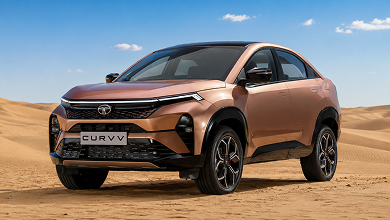
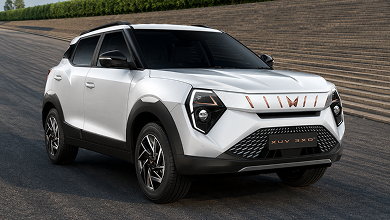

Intercity travel and long-distance road trips in electric vehicles (EVs) are growing rapidly across India. With expanding motorways—such as the Delhi-Mumbai Expressway, Bengaluru-Mysuru Expressway, and Samruddhi Mahamarg—alongside expanding DC fast-charging corridors, driving an electric car across state lines is no longer a futuristic concept.
However, selecting an electric vehicle for continuous highway driving requires a very different approach than choosing a daily city runabout. On open highways, aerodynamic drag, sustained high speeds, and continuous climate control increase energy consumption. As a result, relying solely on advertised laboratory range figures can lead to unexpected charging delays.
Choosing the right EV for highway travel involves evaluating several interconnected factors:
Realistic Highway Driving Range: The distance an EV covers at sustained speeds of 80–100 km/h with full climate control.
DC Fast-Charging Capability: Peak charging power (kW) and how efficiently the vehicle maintains high charging speeds across its battery capacity.
High-Speed Stability & Suspension Comfort: How well the chassis absorbs highway undulations and reduces fatigue during 4-to-6-hour drives.
Cabin & Boot Space: Practicality for family luggage and legroom for rear-seat passengers.
Safety Equipment: Structural crash safety ratings, active braking, and stability control systems.
Route & Charging Flexibility: Compatibility with widespread CCS2 public charging networks.
There is no single "best" EV for everyone. The ideal choice depends on your typical driving distance, household budget, preferred route infrastructure, and family seating requirements.
Evaluating an electric vehicle for long-distance travel requires understanding how technical specifications translate to real-world highway performance.
Automakers test vehicles under standardised laboratory conditions (such as MIDC or C75 in India) where average driving speeds remain low. On open highways, where vehicles maintain continuous speeds of 80–100 km/h, aerodynamic drag increases energy draw. Expect real-world highway mileage to be roughly 20% to 30% lower than official laboratory figures.
Battery capacity is measured in kilowatt-hours (kWh). While a larger battery pack stores more energy, a vehicle's overall shape, weight, and motor efficiency determine how effectively that energy translates to highway distance. LFP (Lithium Iron Phosphate) chemistries are widely used in Indian EVs due to their durability and thermal tolerance in summer conditions.
Peak charging power (e.g., 50 kW or 60 kW) represents the maximum power a vehicle can accept under ideal conditions. However, charging speed tapers down as the battery fills up to protect cell health. A vehicle with a predictable, flat charging curve gets you back on the highway faster than one that slows down dramatically past 50% charge.
Long highway hours require supportive seat cushioning, well-controlled body roll during high-speed lane changes, and low cabin noise (NVH levels). Effective suspension tuning prevents harsh impacts from bridge expansion joints and highway patches from transferring to passengers.
Features like Electronic Stability Control (ESC), Hill Hold Assist, multiple airbags, and ISOFIX child seat mounts are essential for highway travel. A 5-star crash safety rating (Bharat NCAP or Global NCAP) offers structural peace of mind when traveling at speed.
Intercity family trips demand adequate boot volume to carry full-sized suitcases without intruding on cabin seating space. Ground clearance is also critical to tackle unexpected highway potholes or tall speed breakers.
Below is a detailed overview of passenger electric cars and SUVs currently available in India that suit long-distance travel across different price points.
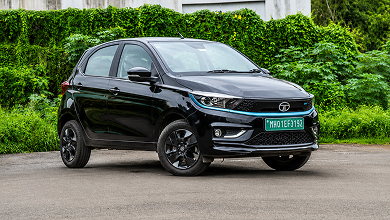
Ex-showroom Price Range: INR 8.64 Lakh – INR 10.09 Lakh (Ex-showroom, as of late 2026)
Battery Capacity: 24 kWh LFP Pack
Claimed Range: 285 km (MIDC)
Real-World Highway Range: ~170 ~170–190 km (at 80 km/h with AC)
DC Fast-Charging Capability: Accepts up to 25 kW DC fast charging; 10% to 80% in approximately 57 minutes.
Highway Comfort & Space: Compact hatchback footprint with supportive front seats. Rear legroom is adequate for medium-length trips. 240-litre boot space accommodates short weekend bags.
Safety & Stability: 4-Star GNCAP rating, dual airbags, ABS with EBD, corner stability control, and iTPMS.
Warranty: 8 Years / 1,60,000 km on battery and motor.
Advantages: Most accessible EV capable of intercity drives; easy to park in crowded highway food plazas; low running cost.
Limitations: Slow 15A home AC charging time (~8.7 hours); limited boot volume for heavy family luggage.
Ideal For: Solo commuters or couples making frequent 150–200 km intercity highway runs.
Ex-Showroom Price Range: INR 9.79 Lakh – INR 11.94 Lakh (Ex-showroom)
Battery Capacity: 30 kWh LFP Pack (built on the acti.ev platform)
Claimed Range: 355 km (C75 cycle)
Real-World Highway Range: ~220 – 240 km (At 80–90 km/h with AC)
DC Fast-Charging Capability: Accepts up to 50 kW DC fast charging; 10% to 80% in approximately 56 minutes.
Highway Comfort & Space: Elevated seating stance offers command over the road. 190 mm ground clearance handles broken highway patches effortlessly. 366-litre boot space handles family luggage.
Safety & Stability: 5-Star Bharat NCAP rating, 6 airbags standard, ESC, Hill Hold Assist, and disc brakes on all four wheels on higher variants.
Warranty: 8 Years / 1,60,000 km on battery and motor.
Advantages: Exceptional 5-star crash safety; high ground clearance; paddle shifters for multi-mode regenerative braking.
Limitations: Touch-based HVAC control panel can require extra attention while driving at highway speeds.
Ideal For: Small families seeking an affordable, compact electric SUV for rough highways and intercity commutes.
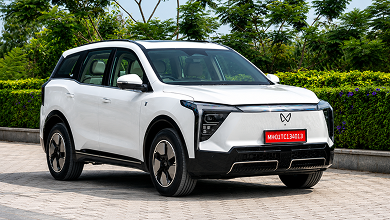
Ex-Showroom Price Range: INR 14.00 Lakh – INR 15.53 Lakh (Ex-showroom; optional BaaS battery subscription available lower)
Battery Capacity: 38 kWh LFP Prismatic Cells
Claimed Range: 332 km (MIDC)
Real-World Highway Range: ~240 – 250 km (At 80–90 km/h with AC)
DC Fast-Charging Capability: Supports 50 kW DC fast charging; 0% to 80% in approximately 55 minutes.
Highway Comfort & Space: Class-leading rear-seat comfort featuring 135-degree "Aero Lounge" reclining seats. Quiet cabin insulation and a massive 579-litre boot capacity.
Safety & Stability: 6 airbags, 360-degree camera, ESC, hill-start assist, and disc brakes on all four wheels.
Warranty: 8 Years / Unlimited km battery warranty (for first private owner, per manufacturer policy).
Advantages: Unmatched rear-seat legroom and lounge comfort; massive boot capacity; whisper-quiet highway ride.
Limitations: Wide vehicle footprint requires careful maneuvering in tight parking spots; panoramic glass roof on top variant lets in ambient heat during bright summer drives.
Ideal For: Chauffeur-driven executives and families prioritizing plush rear-seat lounge comfort on highway journeys.
Ex-Showroom Price Range: INR 14.14 Lakh – INR 17.19 Lakh (Ex-showroom)
Battery Capacity: 45 kWh LFP Pack
Claimed Range: 489 km (C75 cycle)
Real-World Highway Range: ~300 – 330 km (At 80–90 km/h with AC)
DC Fast-Charging Capability: Supports up to 60 kW DC fast charging; 10% to 80% in approximately 40 minutes. Also supports vehicle-to-load (V2L) and vehicle-to-vehicle (V2V) power transfer.
Highway Comfort & Space: Well-cushioned seats, ventilated front seats on top trims, 350-litre boot, and 190 mm ground clearance.
Safety & Stability: 5-Star Bharat NCAP rating, 6 airbags, ESC, electronic parking brake with auto-hold, and blind-spot view monitor.
Warranty: 8 Years / 1,60,000 km on battery and motor.
Advantages: True 300+ km real-world highway range; fast 60 kW charging limits stop times; proven highway stability.
Limitations: Rear knee-room is slightly less generous than the MG Windsor EV.
Ideal For: Active families and frequent road-trippers demanding maximum range and quick charging stops.
For many Indian families, an electric SUV is the preferred choice for long highway journeys. The combination of high ground clearance, elevated seating, and versatile cargo space makes SUVs well-suited for Indian road conditions.
Ground Clearance: Ground clearance ranging from 185 mm to 205 mm helps navigate unexpected speed breakers, highway construction diversions, and monsoon waterlogging safely.
Visibility & Stance: An elevated seating position gives drivers a clear view over surrounding traffic, reducing eye strain during long drives.
Luggage Versatility: Split-folding rear seats and wider boot openings make it easy to pack large suitcases, strollers, and road trip gear.
Chassis Confidence: Modern electric SUVs place heavy battery packs low in the floorboards. This lowers the center of gravity, minimizing high-speed body roll compared to traditional tall petrol SUVs.
The table below summarizes key specifications for popular passenger EVs evaluated for highway driving in India:
| EV Model | Ex-Showroom Price Range* | Battery Capacity | Claimed Range (Test Cycle) | DC Fast Charging Speed | Real-World Highway Range (Est.)** | Highway Suitability Summary |
| Tata Tiago EV (LR) | INR 8.64L – 10.09L | 24 kWh | 285 km (MIDC) | 25 kW DC (~57 min, 10–80%) | ~170 – 190 km | Excellent budget intercity commuter for 150–200 km trips. |
| Tata Punch EV (LR) | INR 9.79L – 11.94L | 30 kWh | 355 km (C75) | 50 kW DC (~56 min, 10–80%) | ~220 – 240 km | 5-Star safety, great ground clearance for rough highway patches. |
| MG Windsor EV | INR 14.00L – 15.53L | 38 kWh | 332 km (MIDC) | 50 kW DC (~55 min, 0–80%) | ~240 – 250 km | Best-in-class rear seating comfort and massive 579L luggage boot. |
| Tata Nexon EV (45) | INR 14.14L – 17.19L | 45 kWh | 489 km (C75) | 60 kW DC (~40 min, 10–80%) | ~300 – 330 km | Top choice for long 300+ km highway legs with quick fast-charging stops. |
*Prices are ex-showroom as of late 2026 and vary by state subsidies and city taxes.
Real-world highway figures are realistic estimates at steady speeds of 80–90 km/h with AC; actual performance varies with driving conditions.
Why does real-world highway mileage differ from the advertised range? Laboratory test cycles measure vehicles under mild conditions with low average speeds and minimal climate control draw. On open highways, physical forces alter energy consumption.
Sustained High Speeds: Power required to overcome aerodynamic drag increases dramatically above 80 km/h. Driving at 100 km/h consumes significantly more energy per kilometer than driving at 75 km/h.
Continuous Climate Control: Running the AC compressor constantly in 40°C+ summer heat draws continuous power from the high-voltage battery pack.
Terrain & Elevation Gains: Climbing long mountain passes (such as the Western Ghats or Himalayan foothills) increases power consumption during ascents, though regenerative braking recovers some energy on the descent.
Vehicle Payload: Carrying a full load of four or five passengers along with heavy luggage increases rolling resistance.
Tyre Pressure: Under-inflated tyres increase rolling resistance and lower overall efficiency by 5% to 8%.
Understanding how highway fast charging works is essential for smooth long-distance travel.
AC Charging (3.3 kW – 7.2 kW): Slow charging designed for overnight stops at hotels or home garages.
DC Fast Charging (24 kW – 60+ kW): High-power chargers installed at highway food courts and fuel stations designed to replenish 10% to 80% battery capacity in 40 to 60 minutes.
DC fast chargers do not supply power at a constant speed throughout a session. Charging is fastest when the battery is low (10% to 50%). Above 80%, the vehicle's Battery Management System (BMS) tapers down the charging rate significantly to protect cell health and prevent overheating.
On a road trip, it is usually far more time-efficient to unplug at 80% and resume your journey rather than waiting another 30 to 40 minutes just to reach 100%.
Typical Highway Fast Charging Session Dynamics:
10% to 50% SoC: Fastest charging rate (peak kW draw accepted by vehicle).
50% to 80% SoC: Moderate charging rate (power begins tapering down gradually).
80% to 100% SoC: Slowest charging rate (power tapers significantly to safeguard cell health).
Follow this 7-step strategy for a stress-free highway drive:
Calculate Realistic Range: Base your route planning on realistic highway mileage (e.g., 220 km instead of a claimed 350 km).
Identify Primary Chargers (Plan A): Use EV charger aggregator apps (such as PlugShare, Tata Power EZ Charge, Statiq, Jio-bp pulse, or Zeon Charging) to find DC fast chargers spaced every 150–200 km.
Locate Backup Chargers (Plan B): Always identify a secondary charging station within a 20–30 km radius of your primary stop in case the primary unit is occupied or offline.
Maintain a 20% Safety Buffer: Plan to arrive at your charging stop with at least 15% to 20% battery remaining to account for unexpected traffic detours or weather delays.
Align Charging with Breaks: Coordinate fast-charging sessions with breakfast, lunch, or coffee breaks at highway food plazas.
Confirm Destination Charging: Call your destination hotel or resort in advance to confirm access to an AC charger or grounded 15A socket.
Keep RSA Info Accessible: Save your vehicle manufacturer’s 24/7 Roadside Assistance helpline number on your phone.
For Frequent Intercity Travelers (300+ km Legs): Choose higher-battery models like the Tata Nexon EV (45 kWh) that deliver true 300+ km range and support 60 kW DC fast charging.
For Rear-Seat Comfort & Family Space: The MG Windsor EV (38 kWh) offers unmatched rear legroom and a massive 579-litre boot for long family trips.
For Rough Highways & Flooded Roads: The Tata Punch EV (30 kWh) provides 190 mm ground clearance, 5-star Bharat NCAP safety, and strong 50 kW fast-charging performance.
For Budget-Conscious Commuters: The Tata Tiago EV (24 kWh) is a practical, affordable option for 150–200 km intercity runs.
| Parameter | Electric Vehicle (EV) | Petrol / ICE Car |
| Running Cost / km | INR 1.20 – INR 2.50 / km (Home/DC Fast Charging mix) | INR 6.00 – INR 8.50 / km (At INR 100/L petrol) |
| Refueling / Charging Time | 40 to 60 minutes (DC fast charge 10–80%) | 5 minutes at fuel station |
| Noise, Vibration & Harshness | Extremely quiet, vibration-free cabin | Engine noise and gear vibration present |
| Driving Dynamics | Instant torque for overtaking; low center of gravity | Gradual power delivery; downshifting required |
| Route Flexibility | Requires planning around DC fast-charging stops | Freedom to take any route with fuel stations everywhere |
Formula for Energy Cost per 100 km:
Illustrative Example: An EV consuming 15 kWh per 100 km charged at a home rate of INR 8/kWh costs INR 120 per 100 km. The same distance at a commercial DC fast charger (INR 22/kWh) costs INR 330 per 100 km. A petrol car delivering 15 km/L at INR 100/L costs INR 666 per 100 km.
Planning Routes Around Claimed Range: Relying on laboratory range numbers instead of real-world figures can leave you stranded before your planned stop.
Arriving with <5% Battery: Leaves zero margin for error if a charger is offline, blocked, or experiencing a power outage.
Waiting to Charge to 100% at Fast Chargers: Wastes 30–40 minutes due to power tapering above 80%.
Cruising at Excessive Speeds: Driving at 110+ km/h drains the battery significantly faster than cruising smoothly at 85–90 km/h.
Ignoring Tyre Pressures: Under-inflated tyres drain extra battery energy on long highway stretches.
Not Downloading Charging Apps Beforehand: Attempting to register and add wallet funds at a remote station with poor mobile coverage causes unnecessary delays.
[ ] Real-World Range Verification: Does the vehicle deliver at least 200–250 km of real-world highway range with AC?
[ ] DC Fast-Charging Speed: Does it accept at least 30–50+ kW DC fast charging via a CCS2 connector?
[ ] Crash Safety Rating: Does the EV have a verified 4-star or 5-star safety rating (Bharat NCAP or Global NCAP)?
[ ] Home Charging Feasibility: Do you have dedicated parking with a 15A socket or AC wallbox installation?
[ ] Highway Route Charger Density: Are there active DC fast chargers along your primary intercity travel routes?
[ ] Luggage Boot Capacity: Is the boot space large enough for your family's travel bags?
[ ] Ground Clearance: Is the ground clearance (170 mm+) sufficient for highway patches and speed bumps?
[ ] Warranty & RSA: Does the vehicle include an 8-year battery warranty and 24/7 Roadside Assistance?
Electric vehicles are fully capable of handling long-distance highway travel in India. By choosing an EV with realistic highway range, fast DC charging compatibility, supportive seating, and high safety standards, you can enjoy quiet, low-cost intercity driving across the country's growing highway network.
When evaluating your options, balance official claims against real-world driving conditions, charging speeds, and your household's travel habits.


Manage reminders, payment status, and renewal dates from one simple app.


Trusted by policyholders to track every renewal.