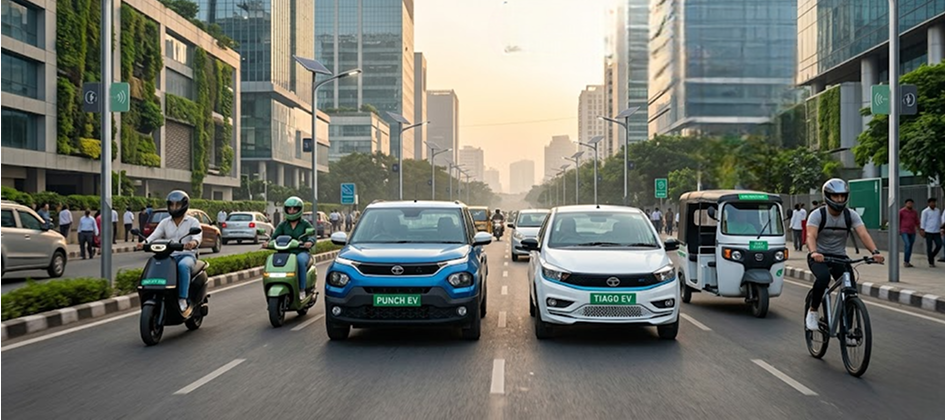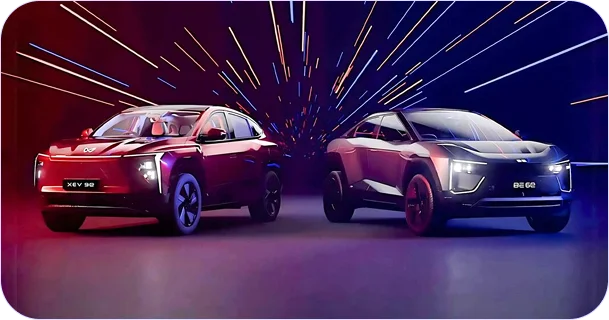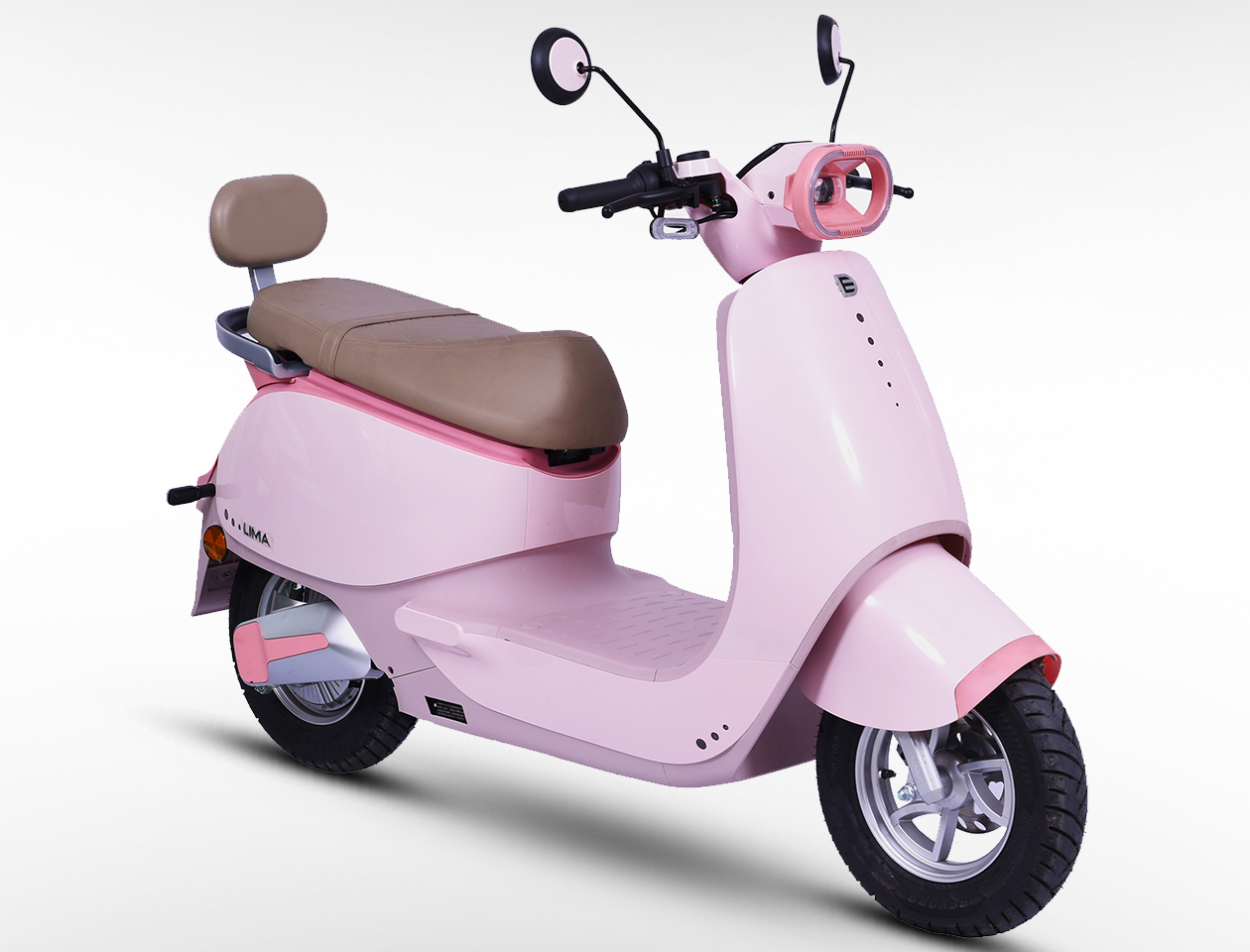
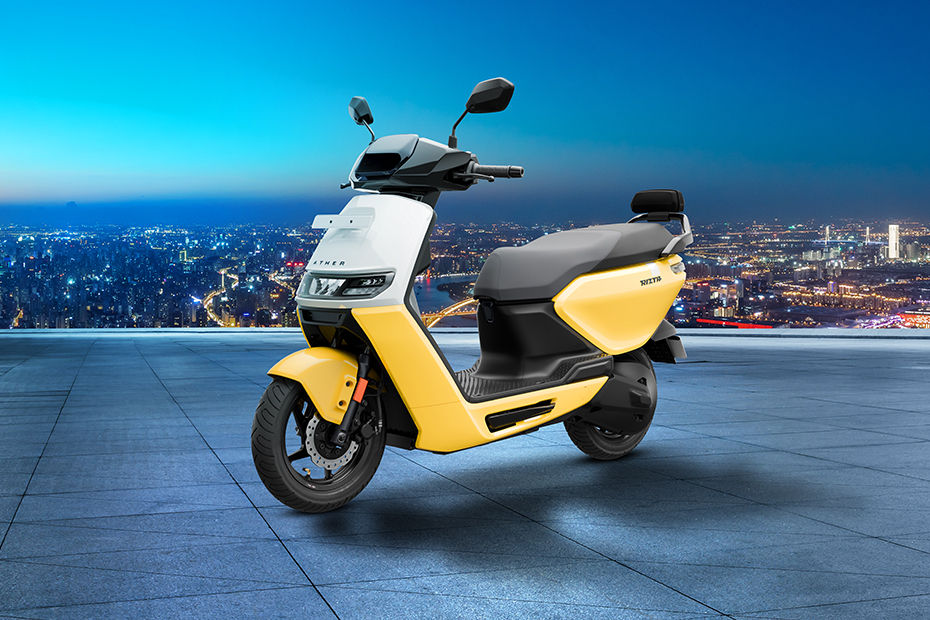
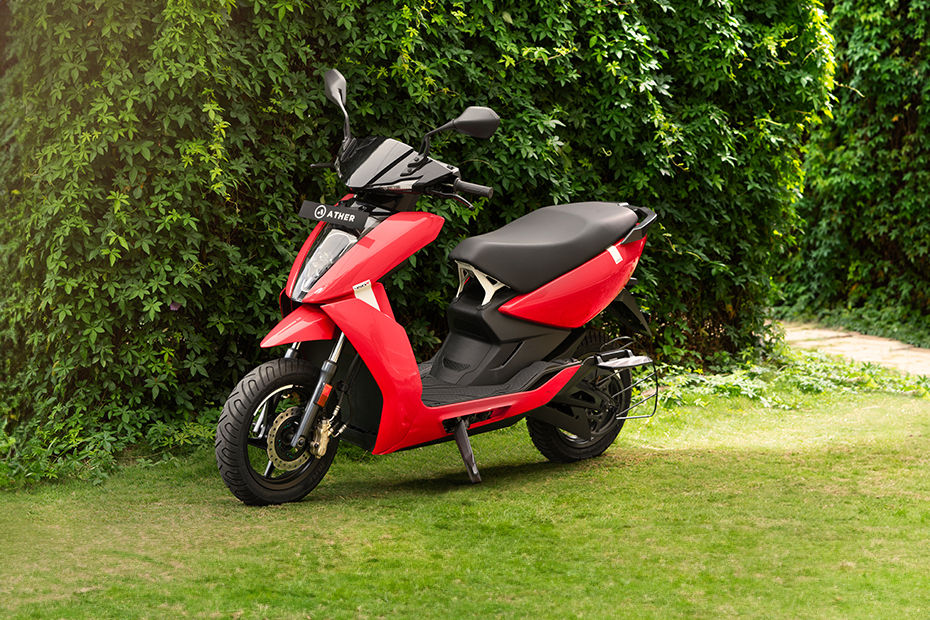
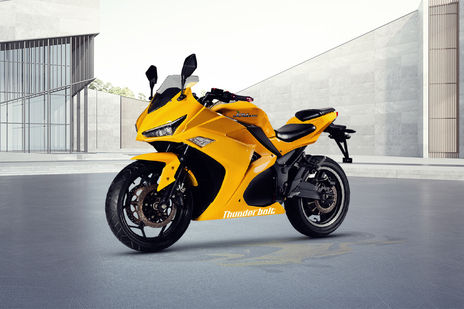
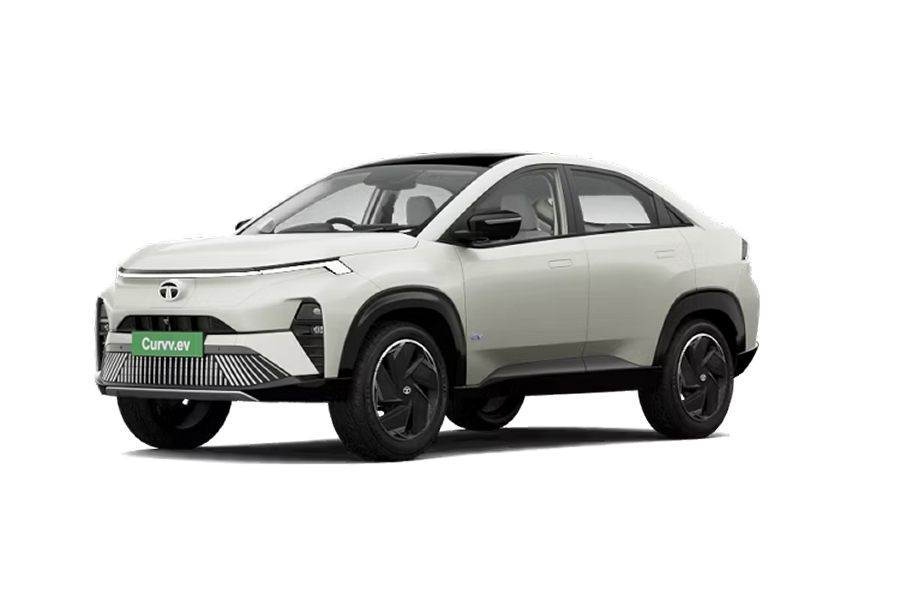
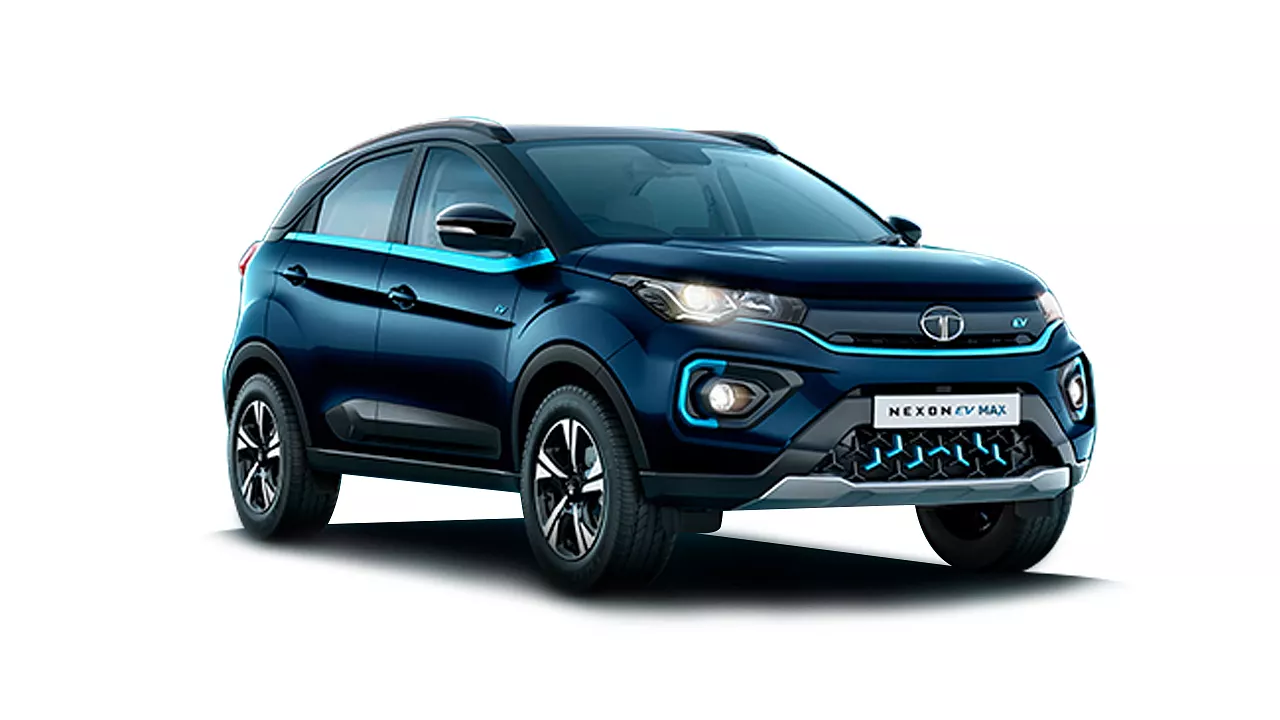
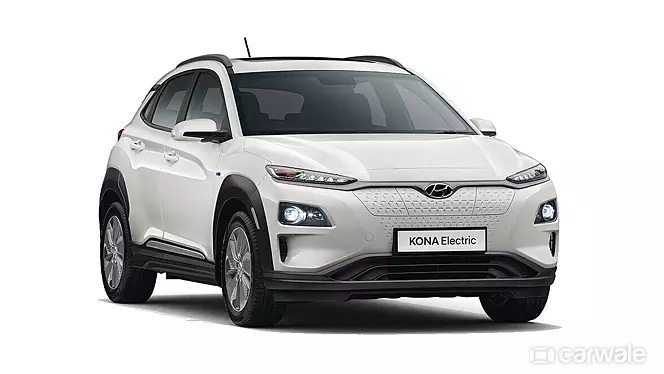
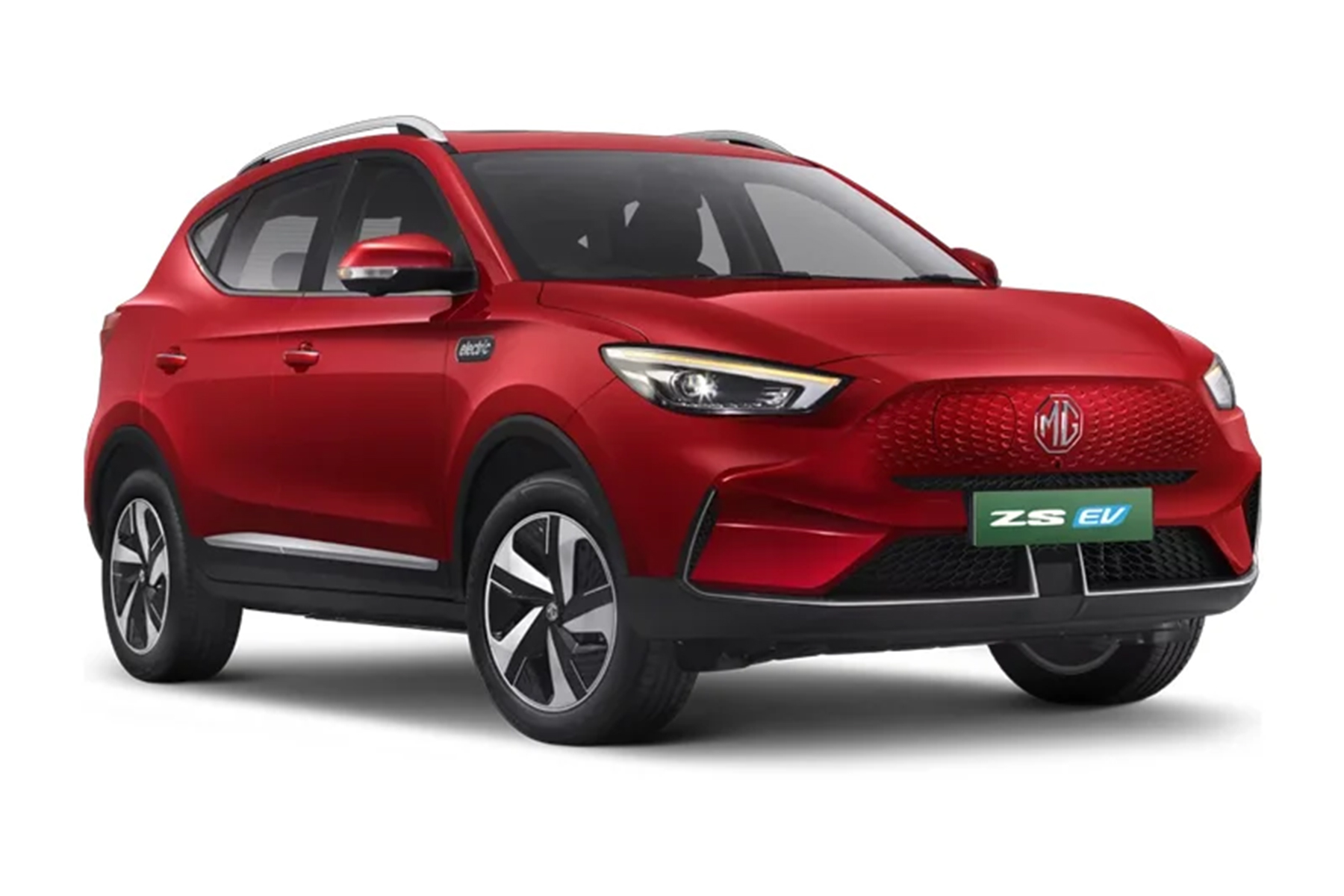



The hum of the engine is fading, replaced by a quiet, powerful whir. If you’ve stepped onto a busy street in Delhi, Mumbai, or Rajkot lately, you’ve likely noticed a surge in green-plated vehicles. In 2026, electric vehicles (EVs) are no longer a "future concept"; they are a practical, money-saving reality for millions of Indian drivers. With the recent extension of the PM E-DRIVE scheme and rising fuel costs, the shift to electric is accelerating faster than ever.
Switching to an EV isn't just an environmental statement; it’s a strategic financial move. As we navigate a year where petrol prices fluctuate due to global shifts, the stability and efficiency of electric mobility offer a sanctuary for your wallet. In this guide, we’ll break down the real-world benefits of EVs in India, from massive cost savings to the undeniable "green" advantage.
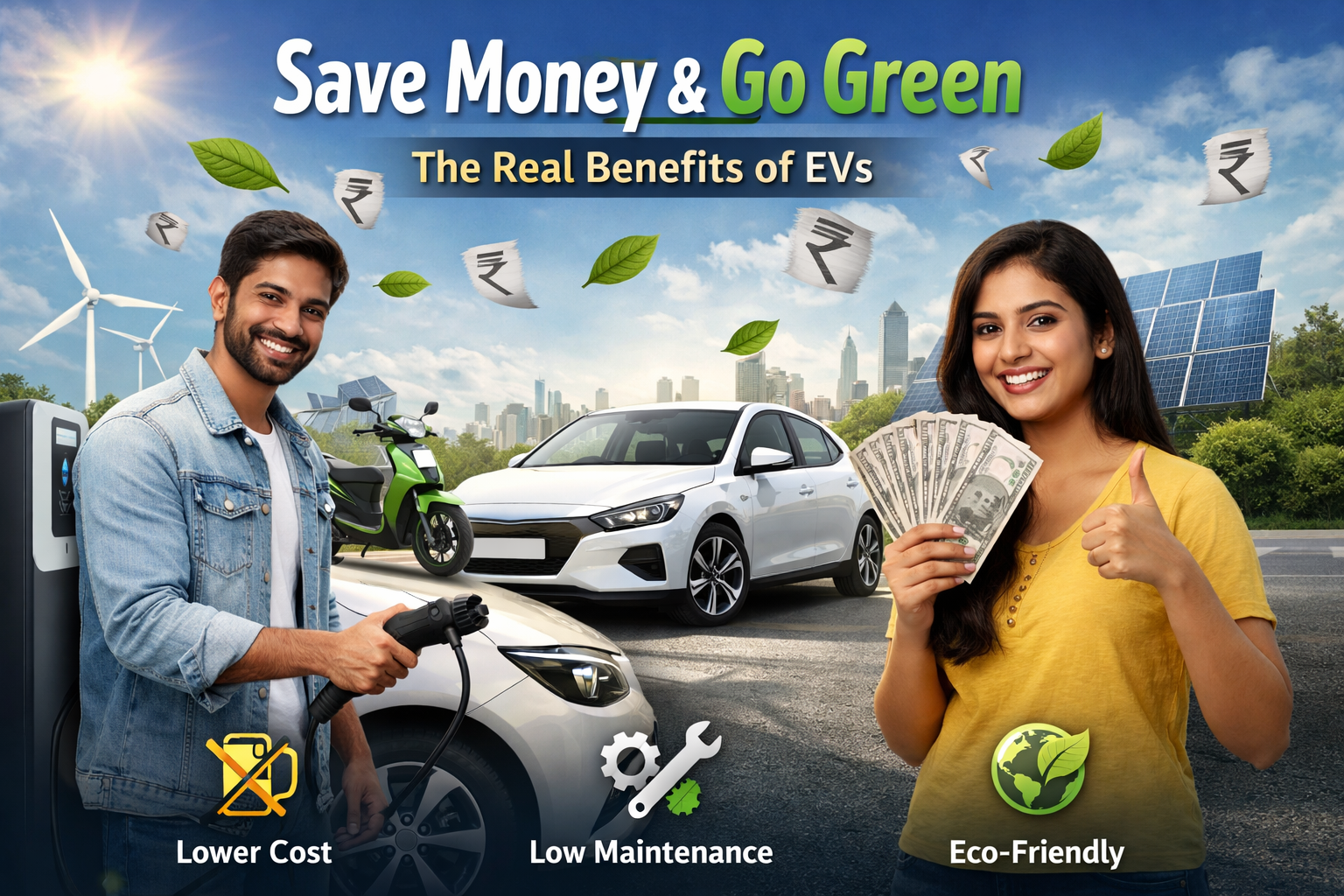
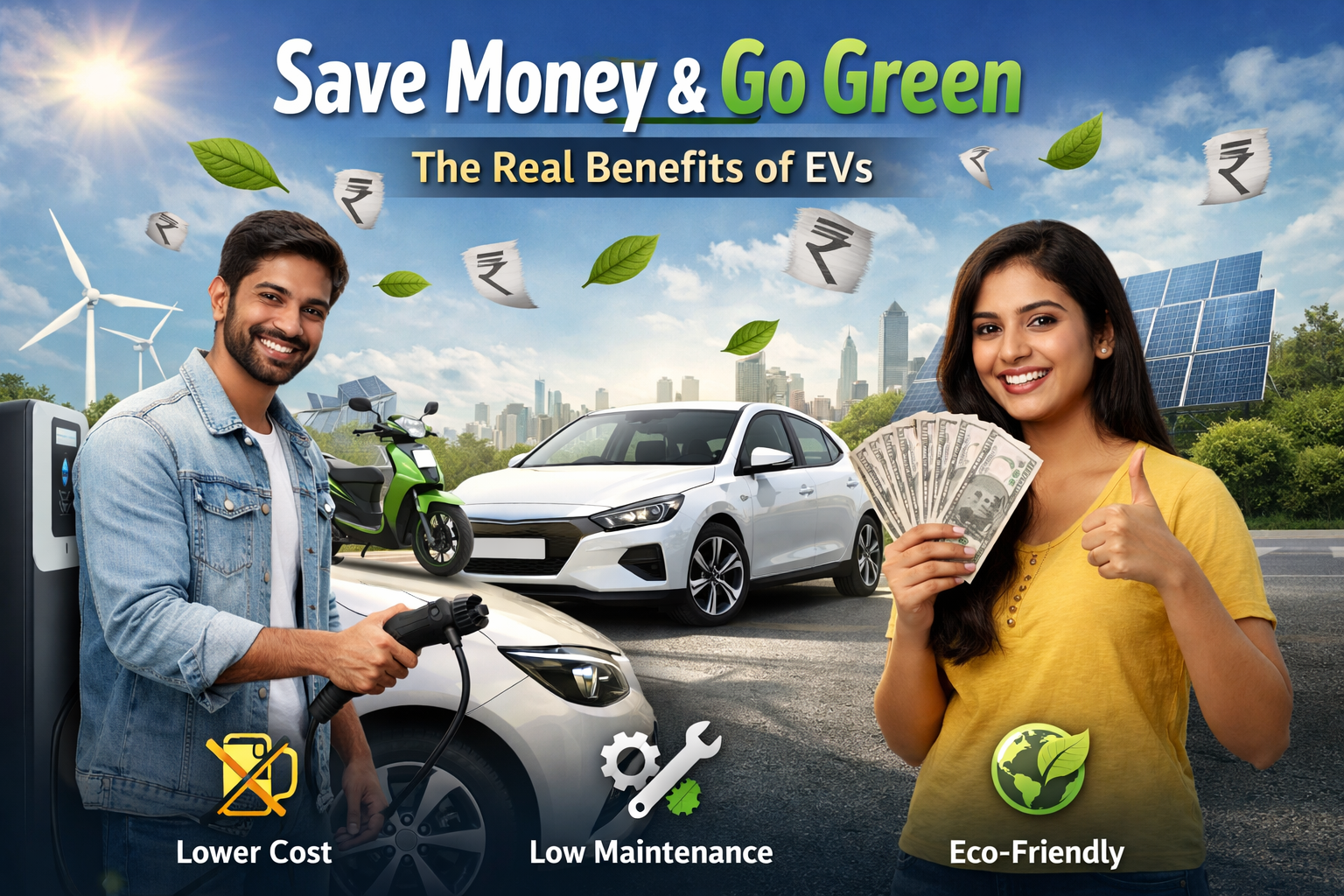
The most immediate benefit of owning an electric vehicle in 2026 is the drastic reduction in daily running costs. Although the initial cost of an EV may exceed that of a conventional internal combustion engine (ICE) vehicle, the "Total Cost of Ownership" (TCO) presents a different perspective.
1. Fuel vs. Electricity
In India, the cost of petrol has become a significant monthly expense for the average household. Conversely, charging an EV at home or at a public station is remarkably cheaper. On average, a petrol car may cost between 7 and 10 per kilometer to run. An electric car, however, typically costs between â–º1 and ï¿¥1.5 per kilometer. For someone commuting 40 km a day, this figure translates to thousands of rupees saved every month.
2. Lower Maintenance Expenses
A traditional engine is a complex machine with hundreds of moving parts, spark plugs, valves, fuel pumps, and exhaust systems, all of which require regular servicing and replacement. An electric motor is elegantly simple.
No Oil Changes: Forget the 5,000-km oil change ritual.
Fewer Moving Parts: This means fewer things can break down over time.
Regenerative Braking: This technology uses the motor to slow the car down, significantly reducing wear and tear on your brake pads.
The Indian government has doubled down on its commitment to green mobility. As of April 2026, several key incentives make purchasing an EV more attractive than ever:
PM E-DRIVE Scheme: This flagship initiative has recently been revised and extended. Subsidies for electric two-wheelers are now available until July 31, 2026, while incentives for e-rickshaws and e-carts have been pushed to March 31, 2028.
Tax Benefits: EVs in India enjoy a significantly lower GST rate of just 5%, compared to the 28% (plus cess) often levied on luxury petrol cars.
State-Level Perks: Many states, such as Gujarat and Telangana, have extended RTO-linked tax incentives, registration fee waivers, and road tax exemptions. These "hidden" savings can shave an additional ₹50,000 to ₹1.5 lakh off the on-road price.
| Feature | Petrol/Diesel Vehicle | Electric Vehicle (EV) |
| Running Cost | $7.00 – $10.00 per km | $1.00 – $1.50 per km |
| Maintenance | High (Regular oil, filters, engine parts) | Very Low (Mainly tires and wipers) |
| GST Rate | 28% + Cess | 5% |
| Tailpipe Emissions | Significant (COâ‚‚, NOx, Particulates) | Zero |
| Driving Experience | Noisy with vibration | Silent and smooth |
| Resale Value | Declining for older ICE models | Improving as battery tech matures |
While the financial perks are compelling, the "Go Green" aspect of EVs is a necessity for India's future. Our major cities often face severe air quality challenges, and the transportation sector is a primary contributor.
Zero Tailpipe Emissions
Electric vehicles produce zero direct emissions. By switching to an EV, you are directly reducing the amount of particulate matter and nitrogen oxides in your local neighborhood. This leads to cleaner air and better health outcomes for urban populations.
Integration with Renewable Energy
One of the most exciting trends in 2026 is the synergy between rooftop solar and EVs. Many Indian homeowners are installing solar panels and using the excess energy to charge their vehicles. This creates a "closed loop" system where your daily commute is powered entirely by the sun, effectively making your fuel cost zero while reaching the ultimate peak of sustainability.
A few years ago, people were afraid to take EVs on long trips. In 2026, that fear is vanishing. The infrastructure has reached a critical juncture.
Widespread Charging: Over 72,000 public rapid chargers are now active across key Indian cities and highways under the PM E-DRIVE initiative.
Super Apps: BHEL has developed a digital "Super App" that allows EV users to find chargers, book slots, and pay seamlessly.
Improved Battery Tech: Modern EVs now offer "real-world" ranges of 300 km to 500 km on a single charge, making inter-city travel between hubs like Rajkot and Ahmedabad effortless.
With petrol prices influenced by global instability and the government offering some of the strongest incentives we've ever seen, the argument for EVs is undeniable. You save money every time you "refuel," you spend less time at the mechanic, and you contribute to a cleaner, breathable India.
The real benefits of EVs aren't just about the technology; they're about freedom. Freedom from rising fuel costs and the freedom to drive without leaving a carbon footprint behind