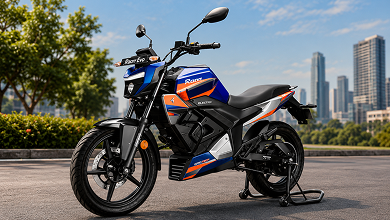
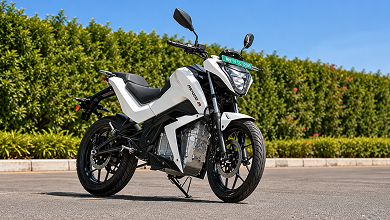
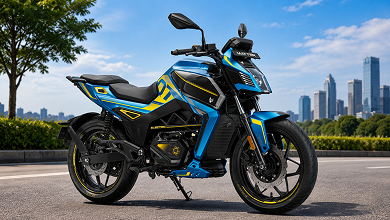
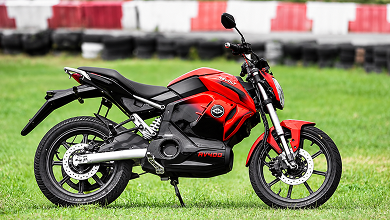
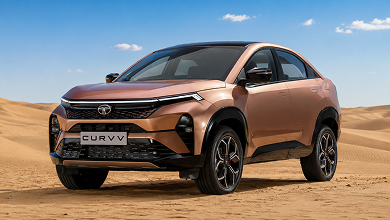
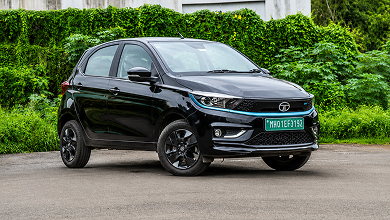
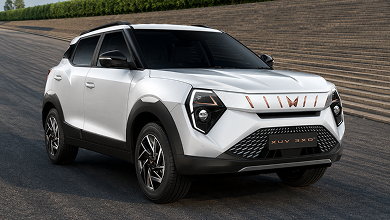
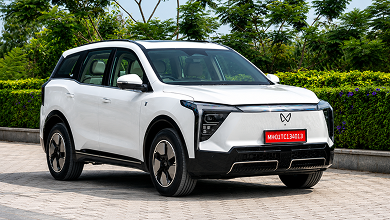
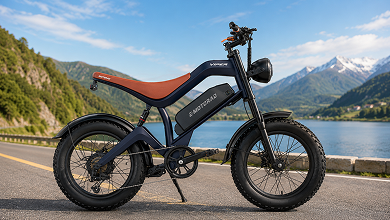
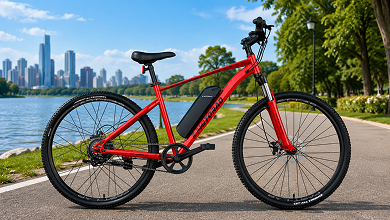
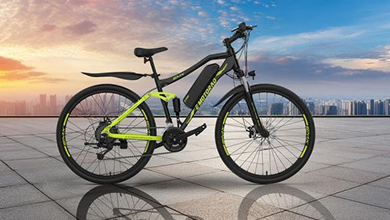
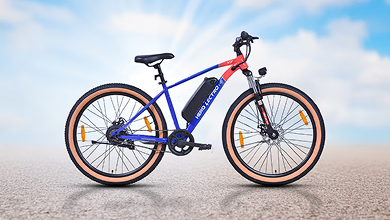
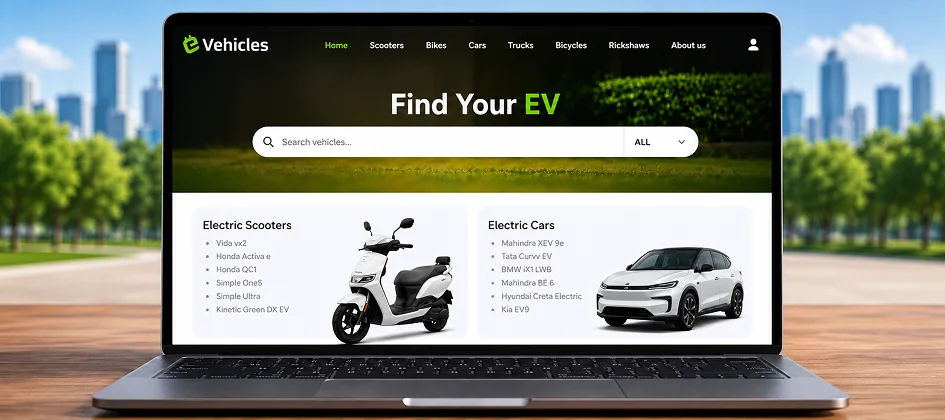
Twenty tabs are open, a spreadsheet nobody updates properly, and a WhatsApp forward from a cousin who "knows EVs" – that's roughly how most people in India end up comparing electric vehicles right now. Every brand's website tells you why their model is the best one. None of them tell you how it actually stacks up against the three other options you're seriously considering.
That gap is exactly why a dedicated way to compare electric vehicles in India matters. Not another brand page dressed up as neutral advice, but an actual side-by-side view of what you're choosing between price against price, range against range, and real owner experience against marketing copy.
This is where eVehicals.com fits in. It's built specifically to let buyers compare electric vehicles in India across every major category – scooters, bikes, cars, trucks, cycles, and rickshaws – in one place, without switching between six different manufacturer websites to piece together the picture yourself.
eVehicals.com lets you compare electric vehicles in India by placing models side by side across price, range, battery capacity, top speed, and verified owner reviews. It covers electric scooters, bikes, cars, trucks, bicycles, and rickshaws from major Indian and global brands, making it easier to shortlist the right EV without visiting multiple manufacturer sites individually.
Buying an EV isn't like buying a petrol vehicle where decades of familiarity fill in the gaps. Range claims vary by testing standard, battery chemistry affects long-term ownership differently across brands, and pricing often hides real differences in charging speed, warranty terms, and after-sales support.
Get the comparison wrong, and the cost isn't small. An electric scooter that looked similar to three others on a spec sheet might actually have a shorter real-world range, a smaller service network in your city, or a battery warranty that's a full year shorter. None of that shows up if you're comparing brand websites one tab at a time.
A proper comparison tool solves this by putting the numbers next to each other, not scattered across marketing pages designed to make each individual model look as good as possible.
Every vehicle listing on eVehicles.com carries a consistent set of comparable data points, so you're never comparing a spec sheet against a brochure description:
Clicking the compare icon on any vehicle card adds it to a side-by-side comparison view, letting you build a shortlist of two or more models and see exactly where they diverge.
The comparison feature is built directly into how vehicles are browsed on the site, not tucked away as a separate tool you have to hunt for.
This means you can go from "I like the look of these three scooters" to "Here's exactly how they differ on range and price" in a few clicks, without opening a single external tab.
Unlike comparison resources that focus purely on cars or purely on two-wheelers, eVehicals.com spans the full range of electric mobility available in India:
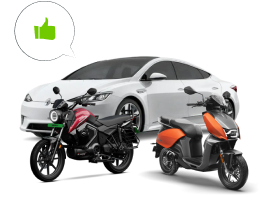
This matters because many buyers are genuinely choosing between categories, not just between models within one. Someone deciding between a budget electric car and a premium electric scooter for their commute needs both options visible in the same place.
A Delhi-based daily commuter comparing electric scooters against a budget electric car for a short office commute used the platform's cross-category browsing to weigh a scooter's lower upfront cost against a car's weather protection, ultimately settling on a scooter after comparing real-world range figures side by side.
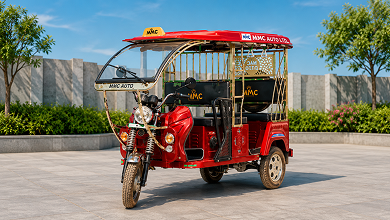
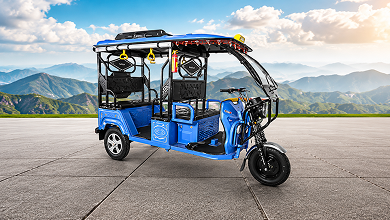
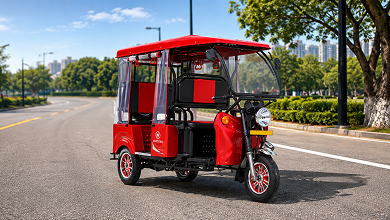
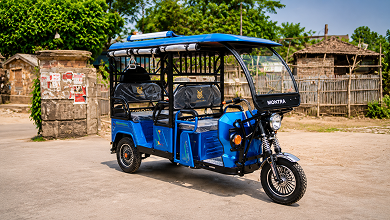
A small business owner researching electric rickshaws for a local delivery route compared multiple three-wheeler models on GVW, battery capacity, and verified fleet-owner reviews before choosing a model already validated by other commercial users on the platform.
| Factor | Manual Research (Multiple Sites) | eVehicles.com |
|---|---|---|
| Time to compare 3 models | 30-45 minutes across tabs | A few minutes, side by side |
| Data consistency | Varies by manufacturer's presentation | Consistent format across all listings |
| Owner reviews | Scattered across forums and social media | Verified reviews attached to each model |
| Category coverage | Usually one vehicle type per site | Scooters, bikes, cars, trucks, cycles, rickshaws |
| Brand coverage | Limited to sites you think to check | Wide range of established and newer brands |
Comparing electric vehicles in India shouldn't mean juggling a dozen browser tabs and guessing which brand's claims to trust. eVehicals.com brings scooters, bikes, cars, trucks, bicycles, and rickshaws into one consistent comparison format, with real specs, current pricing, and verified owner reviews sitting side by side. Whether you're a first-time buyer deciding between a scooter and a compact EV, or a business owner comparing electric trucks for a logistics fleet, having everything in one place makes it easier to base your decision on actual data rather than whichever brand's marketing reached you first.
1. How can I compare electric vehicles in India online?
You can compare electric vehicles in India on eVehicles.com by browsing any vehicle category, tapping the compare icon on models you're interested in, and viewing them side by side on price, speed, battery, and range.
2. Does eVehicals.com cover electric cars and electric scooters both?
Yes, eVehicals.com covers six vehicle categories: electric scooters, bikes, cars, trucks, bicycles, and rickshaws, allowing buyers to compare across both two-wheelers and four-wheelers in one place.
3. Are the reviews on eVehicals.com from actual vehicle owners? Yes, the platform features verified owner reviews attached to specific models, offering real-world feedback on performance, range, and service experience alongside the listed specifications.
4. Can I compare electric trucks and commercial EVs for my business on eVehicals.com?
Yes, the platform includes a dedicated electric trucks category covering commercial cargo and logistics vehicles alongside electric rickshaws for passenger and cargo three-wheeler needs.
5. Is there a cost to use the EV comparison feature on eVehicals.com?
The comparison feature is built into normal browsing on the platform, letting buyers add and compare vehicles by using the compare icon on any listing without a separate paid tool.
6. What specifications can I compare between different EV models?
You can compare price, top speed, battery capacity, and per-charge range across models, along with verified owner ratings and reviews for each vehicle.
7. Which EV brands are available to compare on eVehicals.com?
The platform lists models from a wide range of brands, including established names like Tata, TVS, Hero Electric, Ola, and Ather, alongside newer entrants and premium manufacturers.
8. Can I compare electric bicycles alongside electric scooters?
Yes, electric bicycles are listed as a separate category on eVehicles.com, and buyers deciding between an e-cycle and a scooter for short commutes can compare specifications across both categories.
9. How often is pricing and vehicle information updated on the platform?
Vehicle listings, including pricing, are maintained on an ongoing basis to reflect current models and specifications, though buyers should confirm final pricing with dealers before purchase, since prices can shift by state and city.
10. Is eVehicals.com useful for first-time EV buyers?
Yes, the platform is designed to help first-time buyers narrow down options by comparing real specs and verified reviews side by side, rather than relying solely on individual brand marketing pages.


Manage reminders, payment status, and renewal dates from one simple app.


Trusted by policyholders to track every renewal.