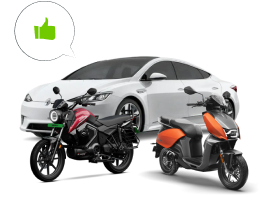
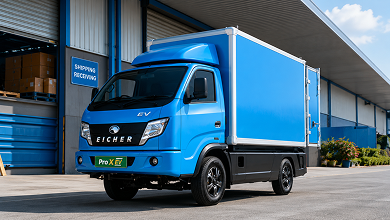
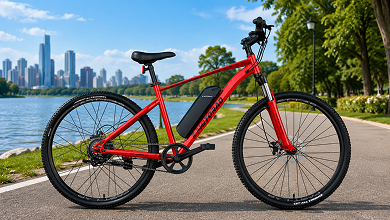
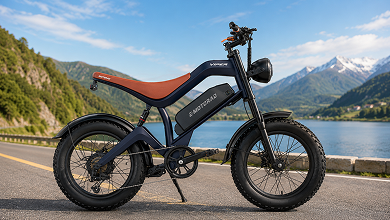
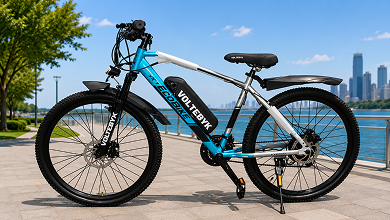
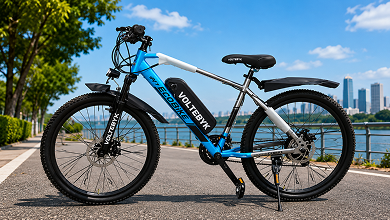
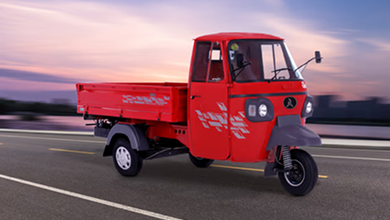
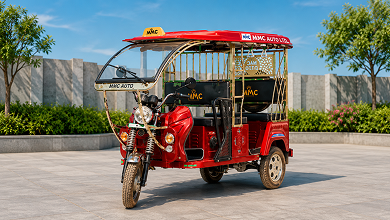
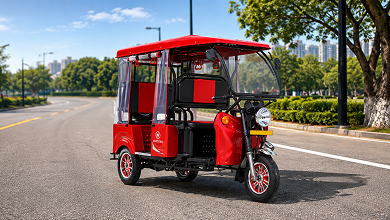
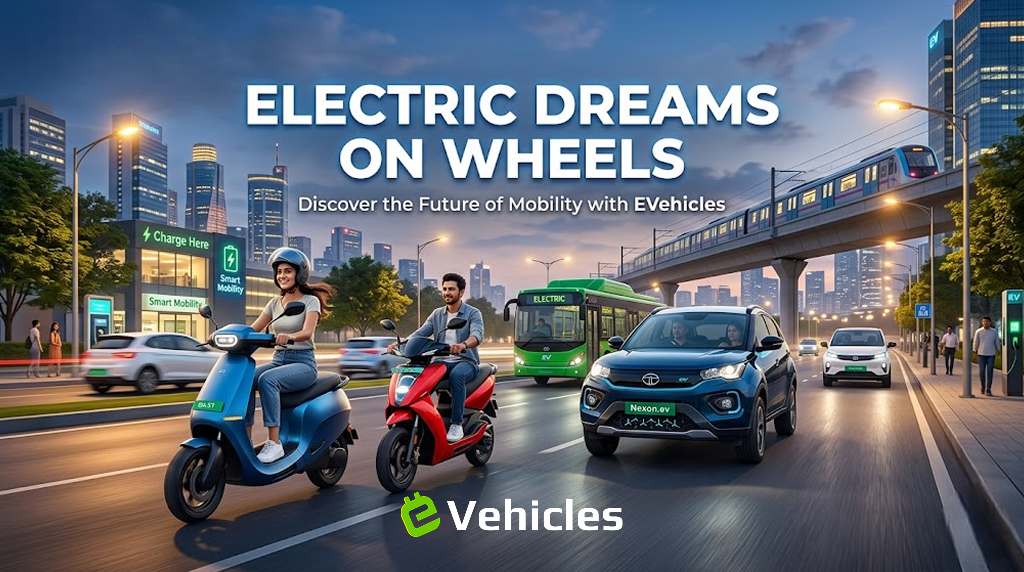
The hum of a gasoline engine has been the soundtrack of our streets for over a century. But listen closely today, and you’ll notice a shift. The roar is being replaced by a silent, powerful surge. We are living through a historic pivot in how humanity moves. From the bustling streets of Delhi to the winding roads of the Western Ghats, the transition to electric vehicles (EVs) isn’t just a trend; it’s a revolution.
"Electric Dreams on Wheels" isn't just a catchy phrase; it’s a reality where performance, economy, and ecology meet. Whether you are a daily commuter looking for a sleek electric scooter or a family planning your first electric SUV, the future of mobility is here, and it’s plugged in.
Making the switch to an EV is often motivated by three core pillars: sustainability, savings, and smart tech.
Eco-Friendly Footprint: Traditional internal combustion engines (ICE) contribute significantly to urban air pollution. EVs produce zero tailpipe emissions, helping clear the smog in our cities and reducing your personal carbon footprint.
Massive Cost Savings: While the upfront cost of an EV can be higher, the "fueling" cost is a fraction of petrol or diesel. With fewer moving parts, no spark plugs, oil filters, or timing belts, maintenance costs drop by nearly 40% over the vehicle's lifetime.
Technological Superiority: Modern EVs are essentially "computers on wheels." Features like regenerative braking (which recharges your battery when you slow down), over-the-air (OTA) software updates, and instant torque make for a driving experience that feels decades ahead of gas cars.
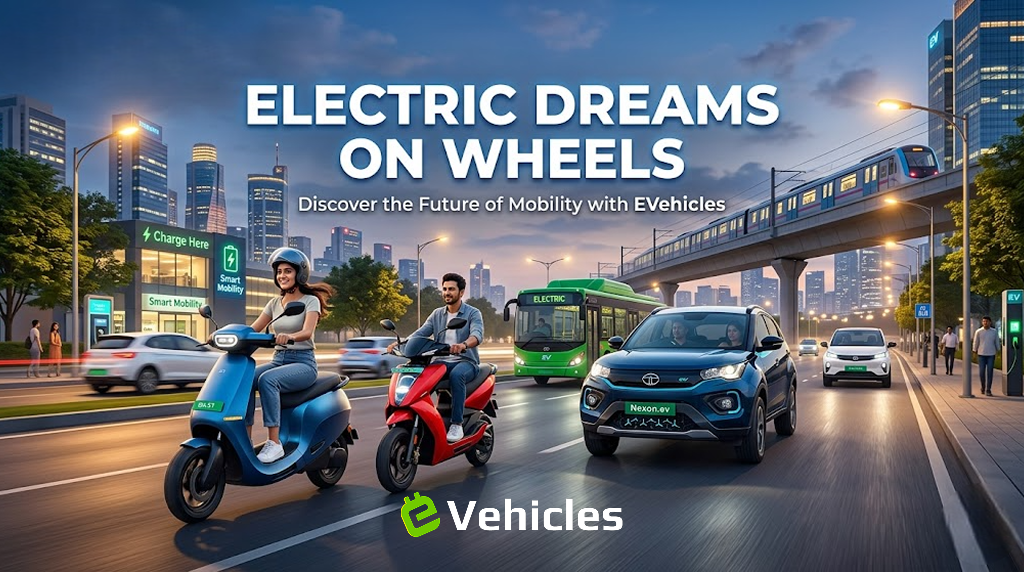
The Indian EV market has matured rapidly, offering something for every type of rider and driver. Let’s break down the categories that are shaping our roads.
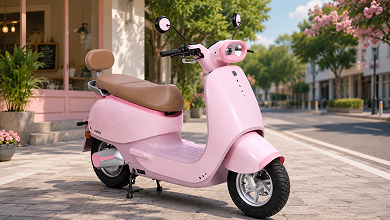
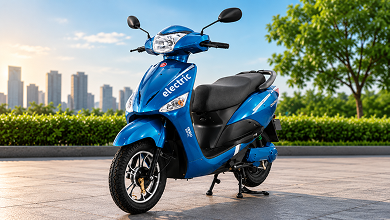
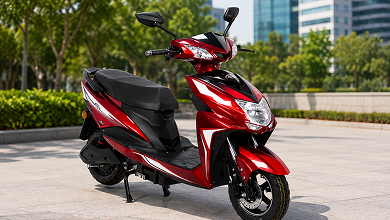
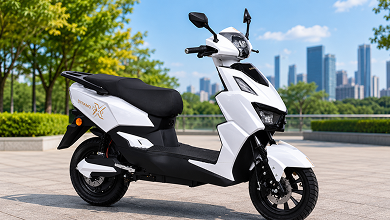
The two-wheeler segment is the spearhead of India’s EV adoption. With brands like Ola, Ather, and TVS leading the charge, these scooters offer smart navigation, reverse modes, and hyper-fast acceleration that makes city traffic a breeze.
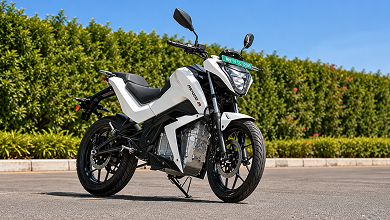
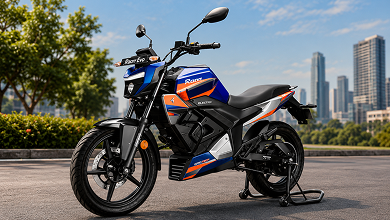
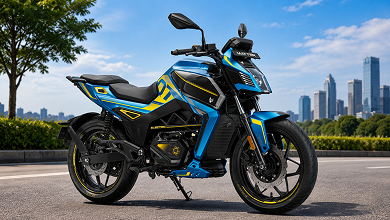
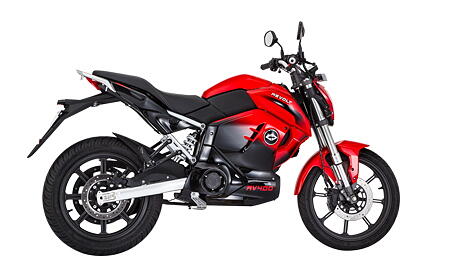
For those who prefer the ergonomics of a motorcycle, electric bikes are bridging the gap. They offer the ruggedness required for Indian roads combined with the low center of gravity provided by mid-mounted batteries, resulting in exceptional handling.
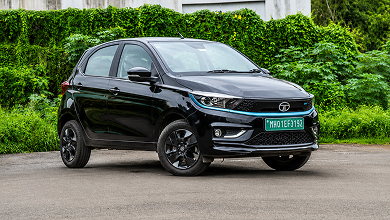
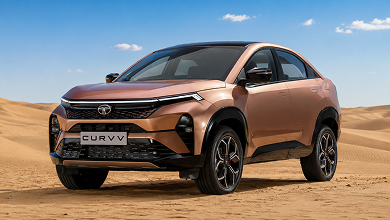
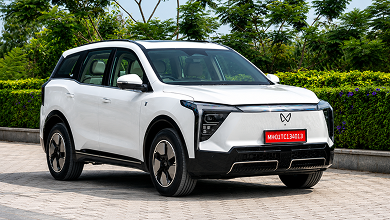
EV cars are no longer just "luxury" playthings. With the introduction of affordable long-range SUVs and hatchbacks, families can now travel 300-500 km on a single charge, making inter-city travel a reality.
To help you decide which "Electric Dream" fits your garage, here is a comparison of some of the most popular segments in the market today.
| Vehicle Type | Top Contenders | Avg. Range (Full Charge) | Top Speed | Charging Time (Home) |
| Electric Scooter | Ola S1 Pro / Ather 450X | 145 - 170 km | 115 km/h | 5 - 6 Hours |
| Electric Bike | Revolt RV400 / Matter Aera | 120 - 150 km | 85 - 105 km/h | 4.5 Hours |
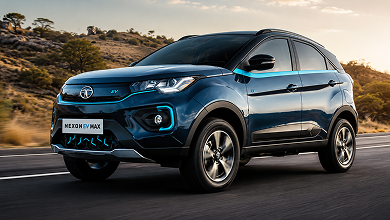
| Electric SUV | Tata Nexon.ev / MG ZS EV | 325 - 461 km | 140 - 175 km/h | 8 - 9 Hours |
| Luxury EV | Kia EV6 / Hyundai IONIQ 5 | 500 - 700 km | 185+ km/h | 7 Hours (AC) |
One of the biggest hurdles for first-time buyers is range anxiety, the fear that the battery will run out before you reach your destination. However, infrastructure is catching up fast.
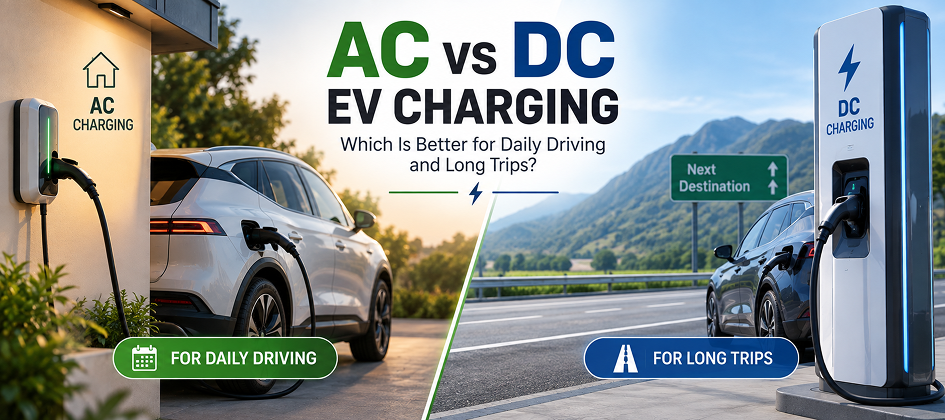
Home Charging: 90% of EV charging happens at home. Most manufacturers now include a wall-box charger that turns your parking spot into a private gas station while you sleep.
Fast Charging Networks: Major highways in India are now equipped with DC Fast Chargers that can juice up a car from 10% to 80% in under 45 minutes, just enough time for a lunch break.
Battery Swapping: For scooters and three-wheelers, battery swapping stations (like those by Sun Mobility) allow you to trade a drained battery for a full one in less than 2 minutes.
If you are comparing models, look beyond just the price tag. The "intelligence" of the vehicle is what defines the future of mobility.
Regenerative Braking Levels: Look for vehicles that allow you to adjust the "regen" strength. This allows for "one-pedal driving," where the car slows down significantly just by lifting your foot off the accelerator.
Battery Chemistry (LFP vs. NMC): LFP (Lithium Iron Phosphate) batteries are known for being safer and having a longer cycle life, making them ideal for the Indian climate.
IP67/IP68 Rating: Ensure the battery and motor are dust and water-resistant, especially if you live in areas prone to monsoon flooding.
App Integration: The ability to track your vehicle, check battery health, and pre-cool the cabin via your smartphone is a game-changer.
The Indian government is heavily subsidizing the transition through the FAME-II (and upcoming FAME-III) schemes and state-specific policies.
Lower GST: While ICE vehicles are taxed at 28%, EVs enjoy a significantly lower 5% GST.
Road Tax Waivers: Many states like Delhi, Gujarat, and Maharashtra offer 100% waivers on road tax and registration fees for electric vehicles.
Income Tax Benefits: Under Section 80EEB, individual taxpayers can claim a deduction of up to ₹1.5 lakh on the interest paid on a loan taken to purchase an electric vehicle.
Myth: EVs are slow.
Reality: Because electric motors provide 100% of their torque instantly, EVs often accelerate faster than their petrol counterparts.
Myth: The batteries don't last.
Reality: Most modern EV batteries are designed to last 8–10 years or roughly 1,50,000 to 200,000 km before seeing significant degradation.
Myth: They aren't safe in the rain.
Reality: EV components are sealed and extensively tested for water ingress. Driving an EV through a puddle is just as safe (and often safer) than an ICE vehicle.
The transition to electric vehicles is no longer a question of "if" but "when." We are moving toward a world where mobility is quiet, clean, and connected. By choosing an EV today, you aren't just buying a vehicle; you are investing in a cleaner future for the next generation and embracing a superior form of technology.
Whether it’s the thrill of instant torque or the satisfaction of never visiting a petrol pump again, your electric dream is waiting. Explore the latest models, take a test ride, and step into the future of mobility today.
The road ahead is silent. The road ahead is electric.


Manage reminders, payment status, and renewal dates from one simple app.


Trusted by policyholders to track every renewal.